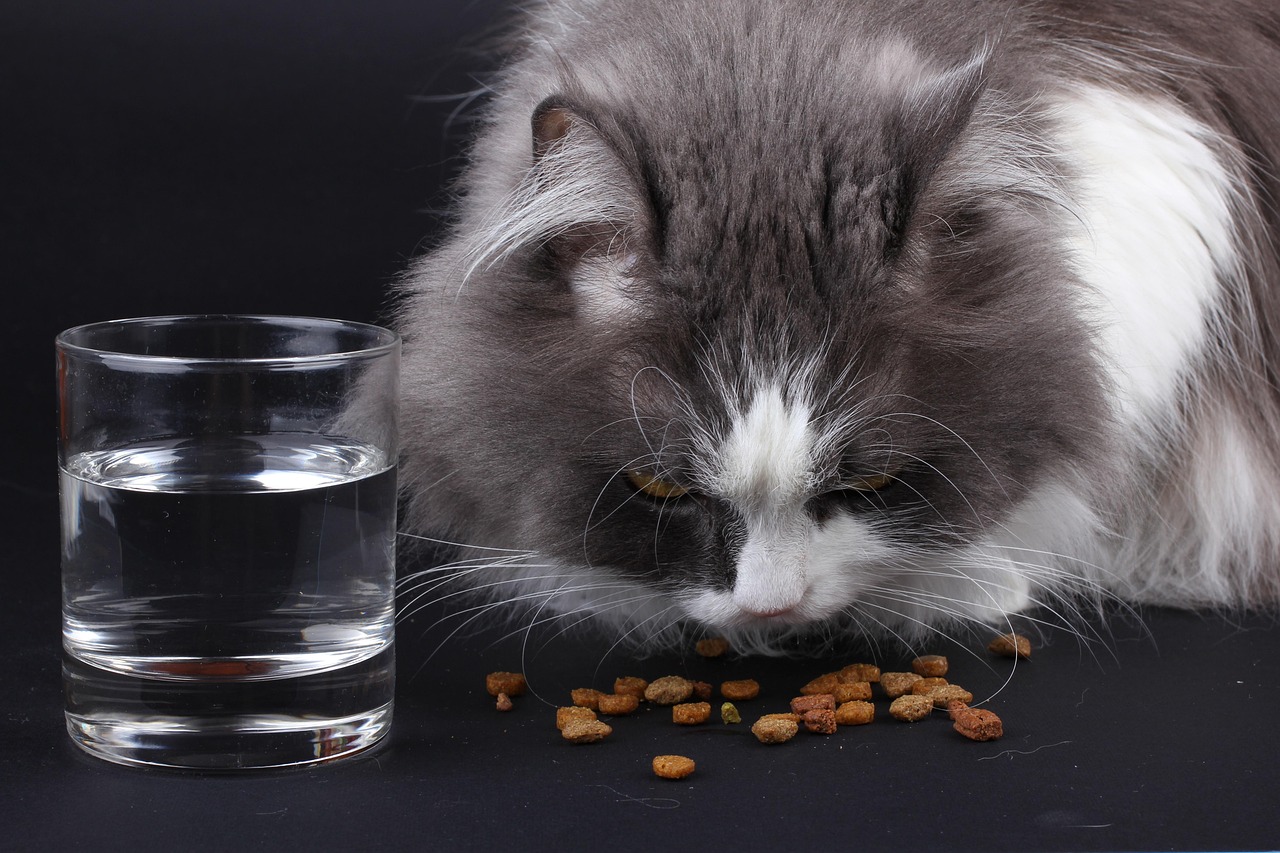

Top 10 Nutrients Essential for Your Cat’s Diet
Ensuring your cat’s diet is well-balanced is crucial for their health and wellness. Transitioning cats to new diets can be daunting, but understanding essential nutrients simplifies the process. One crucial nutrient is protein, which supports muscle development and overall health. Cats are obligate carnivores, meaning they require animal protein to thrive. An adequate amount of protein promotes healthy weight, strengthens immunity, and provides energy for daily activities. Similarly, fats are vital as they supply energy and aid in nutrient absorption. Omega fatty acids, particularly Omega-3 and Omega-6, play an integral role in maintaining skin and coat health. These nutrients can be found in fish oils and certain plant-based oils. Additionally, vitamins A, D, and E are essential vitamins that provide numerous health benefits. Vitamin A supports vision and immune function, whereas vitamin D enhances calcium absorption, essential for bone health. Vitamin E acts as an antioxidant that protects cells from damage. Moreover, B vitamins, including B12 and niacin, are crucial for energy metabolism and overall well-being. Understanding these key nutrients empowers cat owners when making dietary transitions for their furry friends.
Another vital nutrient for cats is taurine, an amino acid critical for heart health, vision, and reproduction. Cats cannot produce enough taurine on their own, so their diet must include sources like meat and fish to meet their needs. A deficiency can result in serious health problems, including heart disease and vision loss. Additionally, fiber plays an essential role in digestive health. The right amounts of fiber help regulate bowel movements, prevent hairball formation, and improve overall gut function. Fiber can be found in various sources such as pumpkin, peas, and carrots. It’s important to introduce fiber gradually to avoid digestive upset. Minerals like calcium and phosphorus are equally significant, as they contribute to strong bones and teeth. These minerals work together to maintain proper bone structure and function. Furthermore, the electrolyte balance in a cat’s diet is vital. Sodium and potassium are needed to regulate fluids in the body and contribute to nerve function. In light of these factors, consulting with a veterinarian during your cat’s dietary transition ensures that all their nutrient needs are met for a healthy lifestyle.
Essential Vitamins for Cat Health
Vitamins have a profound impact on your cat’s overall well-being. Vitamin A specifically is essential for vision, helping cats navigate in low light and supporting their immune systems. Foods rich in vitamin A, like liver, should be incorporated into their diet. On the other hand, vitamin D is crucial in regulating calcium and phosphorus, essential minerals for strong bones and teeth. It’s vital to ensure your cat receives adequate vitamin D, often found in fatty fish. Vitamin E acts like a protective shield for cellular health, acting as an antioxidant that combats free radicals that could cause damages. This vitamin also plays a role in skin health and immune function, helping your cat fend off potential diseases. B Vitamins, which include folate and niacin, are essential for energy metabolism. These vitamins are often found in organ meats and are necessary for producing enzymes that convert food into energy. Moreover, introducing a variety of foods is crucial for covering the full spectrum of vitamins. Cats on commercial diets should generally meet these needs, but homemade diets require careful planning for balanced vitamin intake.
Hydration is another critical aspect often overlooked in cat nutrition. Water plays a vital role in digestion, nutrient absorption, and waste elimination. Cats generally do not drink sufficient water, which is why wet cat food can be beneficial. Incorporating wet food helps maintain hydration and supports urinary tract health. Cats that primarily consume dry food may need to drink additional water or consume moisture-rich treats, such as water-packed tuna or plain yogurt. Moreover, mindful of your cat’s weight is essential, as obesity can lead to health issues such as diabetes and joint problems. A balanced diet with controlled portions ensures your cat maintains a healthy weight. Avoid feeding your cat with too many treats, as those can quickly lead to excess weight gain. Regular vet check-ups allow monitoring of your cat’s weight and help to tailor their diet accordingly. Use treat rewards sparingly, focusing on nutritional benefits rather than calories. Ensuring that you consider all aspects of your cat’s diet—nutrients, hydration, and portion control—will enable you to create a healthy lifestyle for your beloved feline friend.
Transitioning Process for New Diets
Changing your cat’s diet requires a strategic approach to ensure a smooth transition. Start by introducing the new food gradually over a week. Mix a small portion of the new diet with the current food, slowly increasing the new food while decreasing the old. This method helps minimize digestive upset. Observe your cat’s reaction to the new food; any signs of vomiting, diarrhea, or changes in behavior may indicate an intolerance. It’s best not to rush the transition; allow your cat time to adjust to each change. Optimal timing may vary among individual cats depending on their preferences and sensitivities. Maintain a consistent feeding schedule to build routine, allowing your cat to adapt mentally to the new diet. Once your cat seems comfortable with the new food, fully transition them and monitor their response for a few weeks. Pay attention to their coat condition, energy levels, and overall behavior. Positive changes, like increased energy or a glossy coat, suggest successful dietary adaptation. Consulting with a veterinarian during this period is essential for tailored advice and reassurance, ensuring your cat receives balanced and appropriate nutrition.
Finally, always read the labels on commercial cat food products. Identifying high-quality protein sources, the presence of essential vitamins, and healthy fats while avoiding fillers helps ensure an enriching diet for your cat. Ingredients must include clear protein sources such as chicken or beef rather than vague terms like ‘meat by-products’. Opt for brands that prioritize whole ingredients and limit artificial preservatives and additives. Additionally, consider choosing grain-free options, especially for cats sensitive to allergens. Grains may not provide significant benefits to cats, so a diet focusing on protein and healthy fats might be preferable for maintaining ideal health. Moreover, maintain an awareness of any food recalls or changing standards in the pet food industry regarding safety. A reliable supply of cat food that meets your standards should always be sought. Keep in mind that every cat is unique, and while one food may work well for one, it may not be suitable for another. Knowledge about nutrition can empower you in making informed decisions regarding your cat’s diet, promoting a healthful, joyful, and thriving life.
Conclusion on Cat Nutritional Needs
Ultimately, understanding your cat’s dietary needs is vital for their longevity and quality of life. Providing essential nutrients like protein, vitamins, and minerals facilitates a healthy lifestyle for your feline companion. Transitioning to a new diet, whether due to preferences or health considerations, becomes manageable when informed choices guide the process. Recognizing your cat’s needs sets the foundation for safeguarding their health and enhancing their quality of life. Nutrition should be at the forefront of your pet care strategy. Balancing proteins, fats, and vitamins while ensuring hydration keeps your cat thriving. Regular consultations with your veterinarian are equally important for tailoring diets to your cat’s changing needs, particularly as they age. Observing your cat’s response during dietary transitions allows for necessary adjustments based on their comfort and health. Always prioritize high-quality ingredients, appropriate portions, and hydration. With these practices in mind, you can cultivate a healthy environment for your cat, reflecting proper care and attention to their well-being. Your commitment to understanding and implementing the best dietary choices will ensure that your feline friend enjoys a vibrant and energetic life.
In conclusion, becoming a conscientious cat owner requires paying attention to nutritional requirements for the best quality of life for your pet. The transition to new diets must take into account the essential nutrients your cat needs, alongside a thoughtful strategy. By following the tips discussed above, you can ensure that your feline companion thrives, receiving all the necessary nutrients they require. This ensures not only their physical health but also enhances their playfulness and emotional contentment. Providing a well-rounded diet will help your cat live a longer, healthier life. Your efforts to deliver the best quality nutrition are truly invaluable, ensuring your furry friend remains vibrant and spirited. Being diligent about what you feed your cat fosters a strong bond, creating trust and affection. As you navigate dietary transitions, remember that patience and observation are key to success. No single diet is suitable for every cat, so individualized care remains paramount to understanding their personal needs. By continuously educating yourself about feline nutrition, you can be empowered to make informed decisions benefiting your beloved companion well into their golden years.