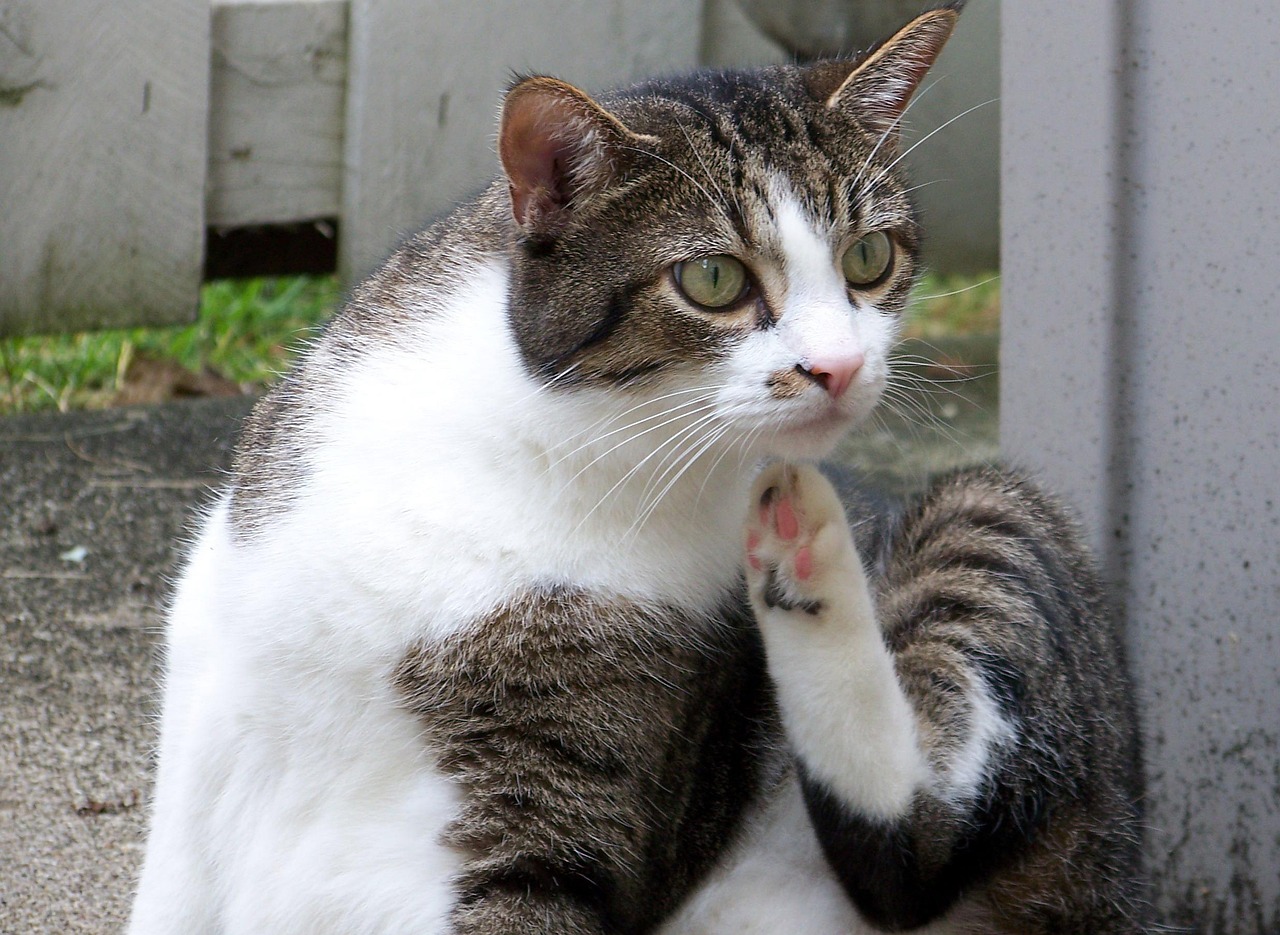

Understanding Age-Related Changes in Cat Scratching Behavior
Scratching is an inherent behavior in cats, serving several important purposes throughout their lives. Understanding the reasons behind this behavior is crucial for pet owners, especially as their feline friends age. Young cats typically scratch to maintain claw health and mark territory with their scent. As they grow, this behavior might evolve due to environmental factors or even health issues. Kittens engage in scratching as a form of play, using their claws to interact with surroundings and develop essential hunting skills. In contrast, older cats may scratch less frequently, but the reasons can vary. Changes in lifestyle, habitat, and movement can influence their scratching habits. For instance, a senior cat may scratch more due to the need for stretching or as an instinct to maintain claws that grow long. Pet owners should provide adequate scratching surfaces to cater to age-related needs. Observing a cat’s scratching behavior can offer insights into their overall well-being and comfort level in their environment. Educating oneself on these behavioral changes helps improve the quality of life for cats and strengthens the bond between pet and owner.
Environmental Influences on Scratching
Environment greatly impacts a cat’s scratching habits, especially as they transition into different life stages. A stimulating environment filled with scratching posts, toys, and climbing spaces encourages healthy scratching behaviors in cats of all ages. When cats feel secure and challenged, they are less likely to scratch furniture or carpets. However, there can be a balancing act as older cats may prefer more accessible and stable surfaces due to mobility issues. Cats that have lived a sheltered life might develop less pronounced scratching preferences as they age. Owners should be proactive and mindful of their cat’s environment to foster positive scratching. Providing various types of scratching posts made of different materials, including sisal and cardboard, ensures that the scratching needs of both young and older cats are satisfied. The positioning of these posts is also vital; placing them near their favorite resting spots can encourage consistent use. Furthermore, supervision and interaction can enhance the scratching experience, demonstrating to the owner the significant changes in behavior as their cat ages. By understanding these environmental influences, owners can adapt and cater to their pets’ needs effectively.
When it comes to scratching, understanding a cat’s health can unveil the underlying causes of changes in behavior. Regular veterinary check-ups are essential, especially for aging cats, who may suffer from arthritis or other mobility-related issues. Pain can lead to a decrease in scratching frequency, affecting their claw maintenance and leading to health complications. Observing your cat’s physical condition, including their mobility and interaction with their environment, can provide valuable insights. For instance, if an older cat becomes reluctant to scratch, it might indicate discomfort or a need for a more supportive environment. Likewise, dental problems or other health issues can alter a cat’s overall behavior. Owners should ensure that their scratching surfaces are easily accessible and consider their cat’s physical limitations. Simple adjustments, like installing low, sturdy scratching posts or adding ramps, can encourage healthy scratching habits without straining the cat’s body. It is equally important to observe their claws to maintain optimal health and prevent cracking. Ultimately, proactive care ensures that scratching remains a satisfying, healthy behavior throughout a cat’s life.
Social interaction is another crucial factor in understanding age-related changes in cat scratching behavior. Socialization with other cats and humans can significantly influence how a cat uses their claws. Younger cats tend to exhibit more playful and exploratory scratching, seeking attention and interaction from their owners. As cats age, their social interactions may decline, leading to changes in how and where they scratch. Senior cats might display more solitary scratching habits or prefer to scratch in familiar, safe areas, reflecting their changing social environment. Cats are known for their territorial instincts, and as they age, they may feel more secure in established territories, often choosing to scratch in specific locations. As such, owners should respect these choices and not force their cats into unfamiliar environments. Additionally, providing positive reinforcement through play and engaging in interactive scratching sessions can help foster a sense of security and well-being, encouraging older cats to be more active in soothing their natural inclination to scratch. This understanding strengthens the overall relationship between the pet and the owner, creating a harmonious home.
Recognizing the importance of scratching surfaces in relation to a cat’s age and habits can guide owners in their choices. Different cats have varying preferences, whether it be vertical, horizontal, or angled surfaces. Younger cats often enjoy climbing and stretching, necessitating taller scratching posts, while older cats may benefit more from lower or horizontally positioned options. The right scratching post can help preserve a cat’s claws and provide essential exercise, maintaining their overall health. Owners need to monitor which types of scratching surfaces their cats prefer, as this can change with age. Regularly rotating or introducing new scratching options might renew interest and engagement. Additionally, enhancing the scratching experience by incorporating enticing materials or attaching toys can make it more appealing. Citronella and catnip-infused surfaces can also encourage scratching. Also, owners should observe their cat’s body language and scratching techniques; changes could indicate the preference associated with comfort and ability. Overall, being attentive to these preferences empowers owners to create an environment that promotes healthy scratching behaviors contributing positively to their cat’s physical and emotional well-being.
The psychological aspect plays a significant role in a cat’s scratching behavior, especially as they age. Younger cats often engage in scratching as an expression of curiosity and play. Conversely, older cats may scratch more due to stress relief, boredom, or frustration. Environmental changes, such as moving house or introducing new pets, can also trigger alterations in scratching behavior, reflecting an attempt to regain comfort and stability. It is crucial for owners to recognize signs of stress or distress in their older cats, as these may lead to destructive scratching habits. Providing enrichment activities like puzzle feeders or interactive toys can keep cats engaged and motivated to scratch in appropriate areas. Additionally, establishing a routine that includes playtime can significantly enhance a cat’s mental state. Keeping an eye on their scratching locations can give further insights into their emotional needs. By creating a stable environment and offering various engagement strategies, owners support mental well-being and positive scratching behaviors. Understanding these psychological elements facilitates a deeper connection between cat and owner, fostering a peaceful coexistence.
In conclusion, understanding the age-related changes in cat scratching behavior involves a multifaceted approach, including health, environment, play, and social interaction. As cats transition through various life stages, their scratching habits can shift, influenced by both physical and emotional factors. Recognizing individual preferences and needs is crucial in ensuring that both young and aging cats can maintain healthy scratching routines. Owners play a vital role in observing, adapting, and supporting their pets during these transitions. Equipping homes with appropriate scratching surfaces suited for their cats’ changing abilities alongside providing consistent mental stimulation can significantly enhance their quality of life. Furthermore, through regular vet check-ups to monitor health, owners can catch potential issues early on. Additionally, understanding the psychological dimensions of scratching and using positive reinforcement can strengthen the bond between cats and their owners. Embracing these insights allows for proactive care and attentive observation, leading to a harmonious and fulfilling relationship. Ultimately, by nurturing healthy scratching behavior, both cats and owners can experience the joys of companionship and well-being.
Understanding and addressing age-related changes in cat scratching behavior is essential for optimal feline care. Owners can foster a deeper connection by ensuring their cats are comfortable, happy, and engaged in activities that cater to their needs. Ultimately, knowledge about a cat’s behavior as they age leads to compassionate animal care and stronger attachment between pet and owner.