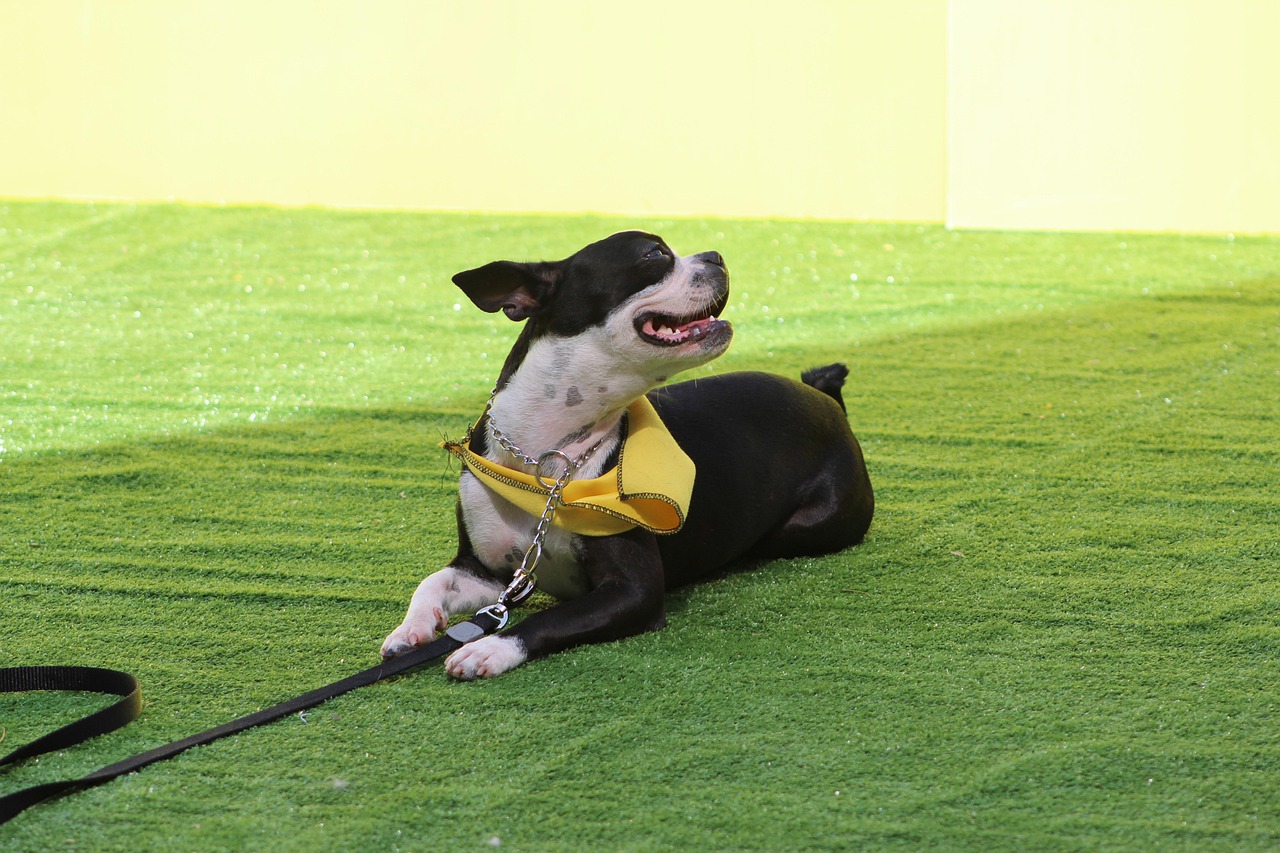

Dealing with Stubborn Dogs: Strategies for the ‘Down’ Command
Training a dog to obey the ‘down’ command can be a challenge, especially with stubborn breeds. To ensure success, first create a comfortable environment free of distractions. This will help your dog focus on learning. Start by using high-value treats to motivate your dog, such as small pieces of their favorite food. Be consistent in your approach by using the same verbal cue every time for clarity. Once your dog is attentive to you, hold the treat low to the ground, encouraging them to follow it into a down position. When they do, promptly reward them with praise or treats. Keeping training sessions short yet frequent can maintain your dog’s interest without overwhelming them. Incorporate playtime after training sessions to make it enjoyable for your dog. Lastly, practice patience; some dogs may require more time to learn compared to others. Remember, positive reinforcement is key to the process. By remaining calm and encouraging, you’ll build a trusting bond with your dog that can enhance their willingness to learn. Each successful down can strengthen your training efforts and your dog’s confidence.
Once your dog begins to understand the ‘down’ command, it is useful to address potential distractions. One effective way is to practice in various environments. Start in a quiet area of your home before moving outdoors or to a park. Gradually increases the complexity by introducing more distractions, such as other dogs or people, while maintaining the training routine. Engaging in frequent practice will help solidify the command in your dog’s mind and promote automaticity in their response. Furthermore, if your dog struggles to follow such training, consider integrating their favorite toy as a motivation tool. Distract them with a toy that should redirect their focus onto following the command. It’s essential to analyze your dog’s body language. Signs of stress or frustration indicate that it might be time for a break or to scale back the process. Understanding these signals will allow you to adjust your strategy accordingly. Regular practice and recognizing improvement, even in small steps, will ensure that your dog feels accomplished. Ultimately, the goal is to make training a fun experience for both you and your pet.
Adjusting Your Technique
In some cases, dogs might respond better to different techniques for learning the ‘down’ command. Consider utilizing the “lure and reward” method, where you guide them into the desired position using treats. Gradually reduce the visible presence of the reward as they progress. It’s crucial to remain absolutely patient, mainly if your dog shows signs of resistance or simply doesn’t understand what’s expected. If they struggle to get into the desired position, ensure they aren’t uncomfortable or in resistance to the exercise. You may want to modify your procedure slightly. Some dogs do better when you use a gentle tug on their leash. This encourages them to lower themselves, promoting a physical connection to their response. As an alternative approach, verbalize a firmness in your voice to convey the importance of the command. Nevertheless, avoid any aggressive or harsh language. Important in obedience training is maintaining an inviting tone that compels the dog to comply. Creative problem-solving regarding your chosen technique can lead to a breakthrough in their understanding.
A common barrier to effective training is a lack of consistency in both command usage and training environments. Therefore, it’s essential to keep a consistent routine that reinforces the command using the same words and gestures. This consistency helps the dog create a mental association and learn more quickly than without it. Structure your dog’s day by integrating training throughout your daily activities. For instance, you can practice having them ‘down’ before feeding, taking walks, or engaging in play sessions. Additionally, you might find that using visual cues can enhance understanding. Gestures, such as hand signals, can reinforce the verbal command effectively. Many dogs respond well to visual stimuli, so combining cues can be highly beneficial. As with any form of training, rewards in the form of treats, toys, or affection will substantially boost their willingness to learn. Be ready with these rewards to maintain motivation and create a positive feedback loop. In essence, remaining structured and patient in your training sessions encourages a positive learning experience for you both. Your dog’s successful response to the ‘down’ command leads to better behavior overall.
Positive Reinforcement Works
Utilizing positive reinforcement consistently is pivotal in teaching the ‘down’ command effectively. The success largely relies on how well the dog associates their action with a rewarding experience. Dogs thrive when they feel encouraged and understood, thus improving their overall learning capabilities. As you teach that command, experiment with your dog’s preferred treats or toys as rewards, keeping their attention effectively maintained. A successful moment, such as when they follow the command correctly, should be met with immediate rewards. This reinforces the correct behavior and makes them more likely to complete the action again in the future. It’s also important that the rewards should feel genuine—praise, affection, or a quick play session all reinforce positive behavior. Try to maintain the excitement in your voice while praising or treating them. This establishes a joyful association with the command. It may be useful to allow breaks during training sessions, as this decreases chances of frustration or burnout. If your dog doesn’t respond positively one day, return to easy commands and gradually build confidence before focusing again on ‘down’.
When handling stubborn dogs, frustration can set in during training. Recognizing and managing this frustration ensures that sessions are productive for you both. Take a step back to analyze the situation when faced with resistance. Assess external factors, such as noise distractions, tiredness, or stress, which may contribute to their reluctance. Sometimes, taking a break can refresh both your mind and your dog’s spirit effectively. Modify practices to fit your dog’s needs. A particularly stubborn dog may need longer periods of patience before responding. If you discover that they perform better at specific times during the day, utilize those periods for focused training sessions. Also, consider including another person to facilitate moral support during training. Enlist someone your dog trusts to assist; they can supply extra motivation or stress relief. Additionally, blend some fun with your training; incorporate games based on the ‘down’ command to alleviate the monotony of practicing. This playful approach could lead to quick progression in learning. Being fluid and adaptable in your training methods will ultimately lead to success with your stubborn dog.
Celebrating Milestones
As your dog gradually learns the ‘down’ command, celebrating small victories is crucial for motivation. Establish mini-goals to help them feel accomplished during training sessions. These achievable goals can encourage them to remain focused and enthusiastic about learning. For example, if your dog correctly performs the ‘down’ command three times in a row, suspend training for a moment to celebrate that success with treats and praise. This reinforces the desired behavior in their mind. Maintaining a personal log of their improvements can also aid your training process. Take note of specific milestones, gauge progress over time, and adjust strategies as necessary. In addition to increased motivation, charting progress allows you to establish a further understanding of which tactics are most effective. Consistency and patience in training contribute to building a more substantial bond between you and your pet. Moreover, as your dog successfully masters the ‘down’ command, take a moment to reflect on all the hard work both of you have put into the process. This acknowledgment encourages a deeper connection and fosters confidence within your dog’s training journey.
Finally, consider ongoing practice even after your dog has mastered the ‘down’ command. The command should be seen as a foundational skill for further training exercises. Continual reinforcement keeps the behavior fresh in your dog’s mind while promoting good habits. Create an engaging routine that mixes in ‘down’ with other commands as they advance. For instance, encouraging them to alternate commands or integrate additional distractions during training could prove refined. Remain mindful of the different environments where your dog may need to perform the ‘down’ command. Ensuring they are well-adjusted to performing it in diverse settings, like in public or around other people or animals, aids in their overall obedience and adaptability. In addition, enhancing their training regimen can pave the way towards successfully performing complex tasks and tricks in the future. Ultimately, fostering trust and ensuring that your dog enjoys the process is key to effective long-term training. As their skills continue to evolve, you’ll appreciate the fulfillment of having established solid communication patterns with your dog through the ‘down’ command.