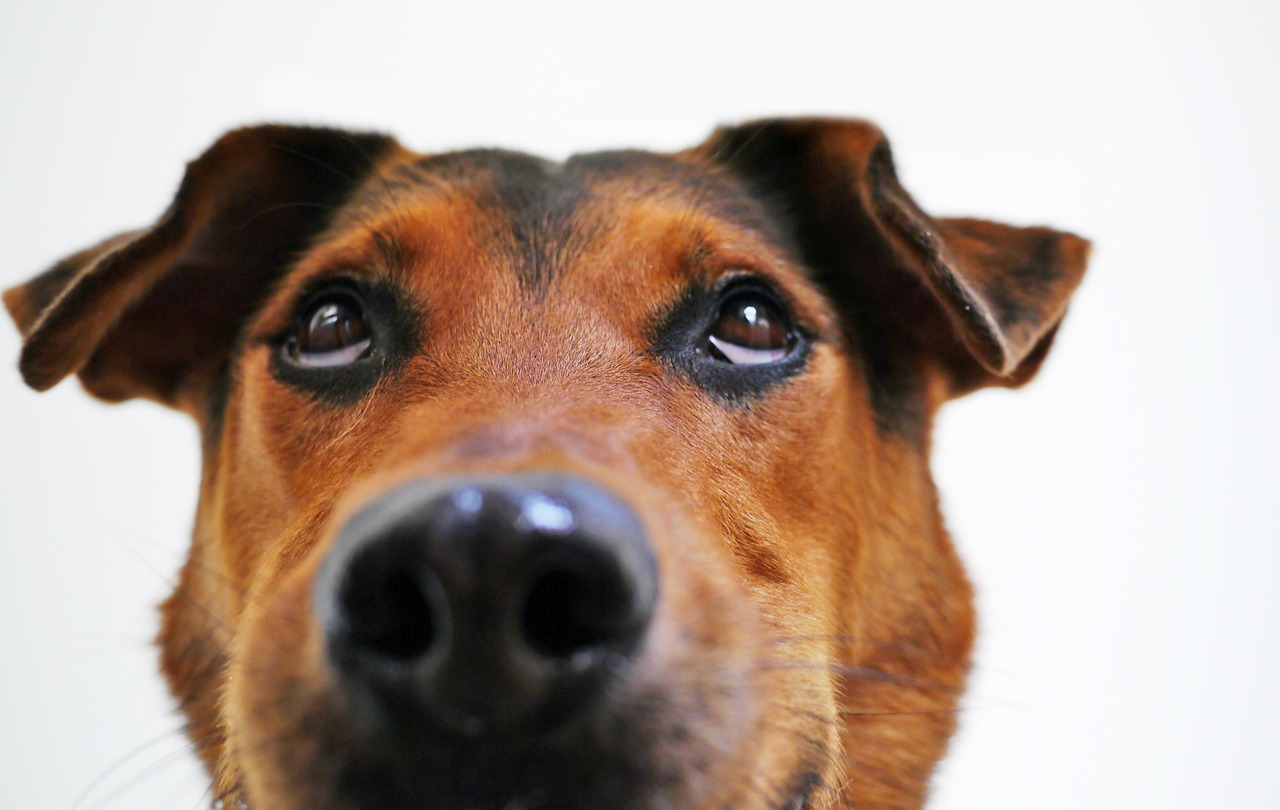

Practical Tips for Enhancing Communication with Your Dog Through Facial Signals
Understanding a dog’s facial expressions is crucial for effective communication. Canine facial signals convey emotions, needs, and reactions. Key elements include the position of the ears, eyes, and mouth. For instance, a relaxed posture often indicates a calm dog. In contrast, raised ears and a tense body may signal alertness or anxiety. Observing these cues can enhance interpersonal relationships with your pet. It will also allow you to respond appropriately to your dog’s emotional state. This understanding is pivotal in avoiding misunderstandings. It builds trust and respect between you and your dog. Utilizing positive reinforcement can also improve this interaction. For example, when your dog displays a calm expression, offer treats or praise. This reinforces positive feelings and promotes a peaceful environment. Social situations should also be monitored. Note your dog’s responses to different stimuli, such as people or other animals. Tracking these behaviors helps develop strategies to address fear or excitement. Generally, patience and consistent observation are vital in learning to interpret your dog’s facial signals effectively. As you practice, both you and your dog will enjoy a stronger bond, leading to a more fulfilling companionship.
Facial expressions in dogs reveal a broad range of emotions. Observing your dog’s face during varied situations can provide insight into their feelings. For instance, a dog with a slightly closed mouth and soft, relaxed eyes often feels safe and content. On the other hand, a dog showing tight, closed lips or squinting eyes may feel threatened or stressed. Interpreting these signals correctly can help prevent conflicts at home or in public places. To practice these observations, spend time watching your dog in different environments. Additionally, visiting parks with other dogs will provide ample opportunity to observe canine interactions. Take note of facial expressions between different dogs; this can illustrate how various dogs communicate. Keep in mind, every dog is an individual, and responses may vary. Combining face position cues with body language creates a clearer picture of emotion. For example, a wagging tail alongside a relaxed face generally indicates happiness. However, a wagging tail with stiff body cues may express insecurity or overexcitement. Learning these combinations promotes effective communication, fostering deeper connections with your canine companion.
Building a Stronger Bond through Understanding
One effective technique for enhancing communication with your dog is to mimic its expressions. Dogs are highly responsive to human emotions and can pick up on non-verbal cues. By reflecting your dog’s emotional state through similar facial expressions, you may strengthen your bond. For instance, when your dog looks puzzled or concerned, responding with a soft and understanding look can reassure them. Furthermore, smiling while maintaining eye contact can contribute positively to your dog’s comfort level. Shared eye contact strengthens the bond between owner and pet. Verbal commands must match facial expressions and voice tone for maximum impact. A friendly smile combined with a kind tone can encourage cooperative behavior. Additionally, being attuned to your dog’s feedback is essential. Each response helps inform future interactions. If your dog seems unfazed or even confused, change your approach. Coming down to their level gives your dog the best chance to understand your feelings. Practicing these techniques aids in building a solid rapport that encourages trust and comfort in varied circumstances, ultimately leading to a harmonious life together.
Another critical area to focus on is recognizing signs of stress. An anxious dog may exhibit a stiff body, pinned-back ears, and a tightly closed mouth. Understanding these signals is essential in preventing potential issues. This may lead to situations where a dog feels uncomfortable or threatened by its environment. Providing a safe space when these signals are observed allows the dog to relax. This safe zone can be a cozy bed, a crate, or a designated area within your home. Creating an environment where your dog feels secure will promote positive feelings. It is also beneficial to monitor your dog’s interactions with other pets. Watch for signs of discomfort, such as turning away or showing teeth. Recognizing these behaviors is crucial for the well-being of all pets within the home. It also helps foster better socialization skills as your dog learns to feel comfortable around others. Your proactive efforts are essential in nurturing your dog’s emotional wellness. Ultimately, understanding and responding to these signals builds a solid, healthy connection between you and your furry friend.
Using Positive Reinforcement
Positive reinforcement plays a crucial role in enhancing canine communication. Reinforcing desired behaviors can help translate these expressions. For instance, when your dog displays calmness, reward them with praise or a treat. This practice encourages them to exhibit similar behaviors in the future. Over time, your dog will recognize calmness correlating with positive outcomes. Likewise, when your dog shows signs of uncertainty, avoid harsh reprimands. Instead, redirect their focus with gentle encouragement. Use a soft tone of voice, and offer treats when they approach confidently. Moreover, consistency in reinforcing calm expressions can support emotional growth and security. Products like calming collars and pheromone sprays may also assist nervous dogs in feeling more at ease. Each dog has a unique personality, and patience is essential in the process. By remaining supportive, owners can create safe spaces conducive to positive communication. This foundation builds a strong relationship of mutual understanding and trust. Ultimately, positively impacting your communications leads to a lasting, loving bond that enriches both your lives.
Being attuned to physical touch also enhances communication. Dogs thrive on tactile interaction, which strengthens connections. This can involve petting, gentle massages, or shared playtime. For some dogs, specific areas may elicit more pleasure, such as behind the ears or along the back. Observing your dog’s reaction will indicate their preferences. Consistent physical affection teaches your dog that they are safe and loved. This practice further encourages them to express emotions. Additionally, understanding when your dog prefers to be left alone is vital. A dog that turns away or moves to another area signals a need for space. Respecting these boundaries fosters comfort. Ensure your dog also has avenues for independent exploration. Offering toys or engaging in activities provides mental stimulation, reinforcing a healthy balance. Remember, while physical touch can enhance bonds, it is only beneficial when taken in moderation. Promote an environment of trust and understanding, and your dog will feel comfortable expressing emotions through their facial expressions, resulting in a happy and healthy relationship.
The Importance of Consistency
Consistency in communication style is vital for effective interaction with your dog. Establishing routines helps create a predictability that increases trust. Each time you interact using facial expressions or commands, your dog observes and learns. The repetition solidifies these communicative practices. For example, consistently using a specific tone when praising them helps bridge the gap between vocal commands and facial cues. Try maintaining a standard approach when introducing new signals or commands. This uniformity fosters better understanding and accelerates the training process. Remember that a calm demeanor is essential during interactions. An agitated owner may inadvertently create confusion or anxiety in their dog. Thus, practice maintaining a calm appearance, even in challenging situations. In addition, if your dog seems overwhelmed, step back and reassess your approach. Allow your dog the chance to breathe and express feelings through their body language. This supportive environment enables a deeper connection based on understanding and trust. Ultimately, this consistency leads to enhanced communication through facial signals. Both you and your dog will thrive in the warmth of mutual comprehension and love.
The journey to understanding your dog’s facial expressions can be rewarding. Enhancing communication with your canine companion leads to a deeper bond that encourages cooperation and trust. As you refine your observation skills, it becomes easier to identify emotional shifts within your dog’s behavior. Consistent monitoring of facial signals allows you to respond appropriately to your dog’s moods. Remember to utilize positive reinforcement throughout this process, offering rewards when your dog expresses calmness. Celebrating successes, small or large, solidifies these behaviors and strengthens your unique relationship. Also, do not hesitate to seek additional resources, such as articles or training guides, for further insight. Connecting with fellow dog enthusiasts, through forums or social media platforms, can also provide valuable advice. Sharing experiences fosters community, creating a support system. Ultimately, understanding canine facial expressions is an ongoing learning journey; each dog is unique. As you grow together, both you and your dog will enjoy a fulfilling and loving bond. Celebrate every step forward in this exciting adventure, as the lessons learned will enhance your connection and create a harmonious living environment for both.