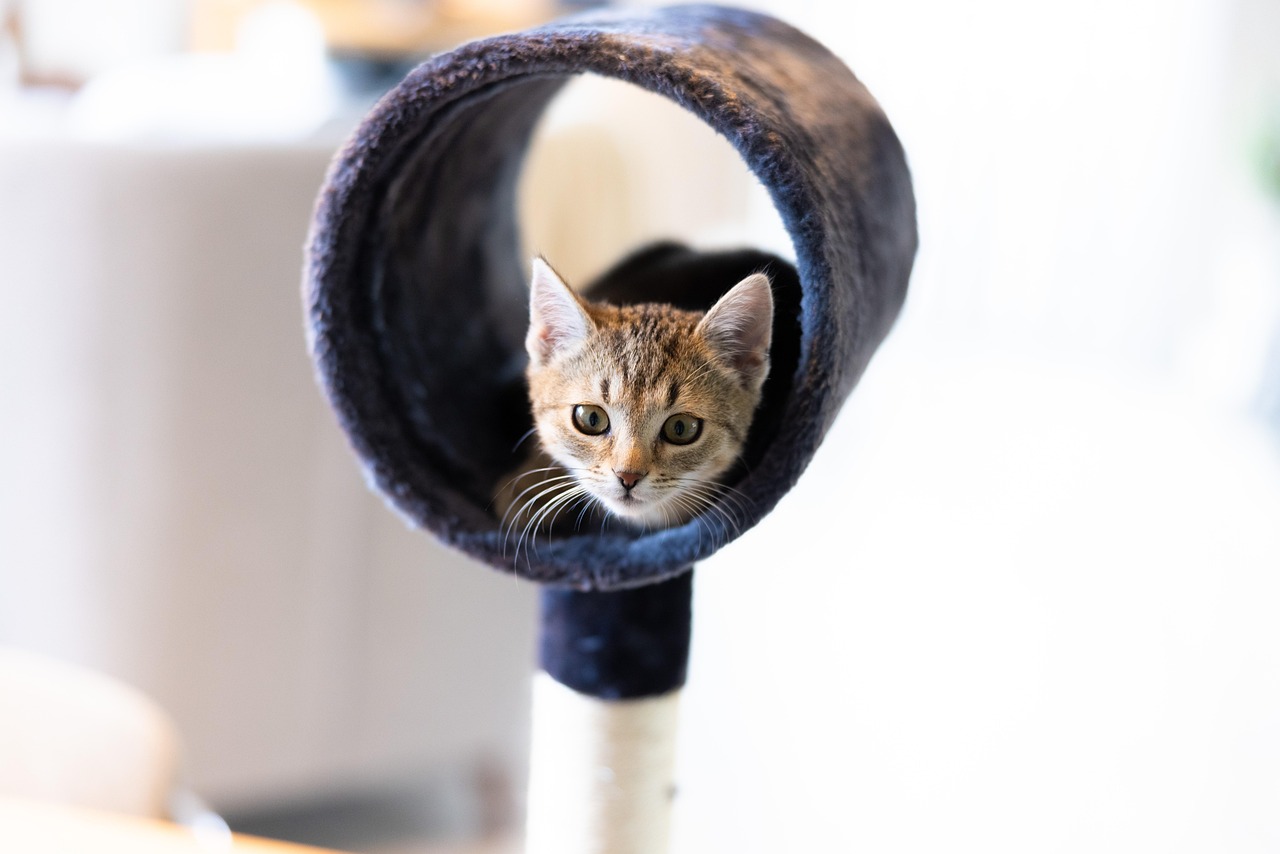

The Science Behind Why Kittens Love Certain Cat Toys
Kittens are naturally playful creatures who thrive on stimulation. Their innate curiosity drives them to explore their surroundings and engage with toys. Understanding the science behind their preferences for specific toys can offer insights into their behavior. Kittens are particularly attracted to toys that mimic the movements of their natural prey. Feathered toys, for example, resemble birds, while small balls can imitate mice. Toys that are brightly colored or produce sounds can also pique a kitten’s interest. These factors create excitement and encourage active play, which is essential for their development. Moreover, the texture of a toy can influence a kitten’s preference. Soft, plush toys might be comforting, while crinkly toys can provide sensory stimulation. Playtime is crucial for a kitten’s mental and physical health. It helps them develop coordination and social skills, which are vital as they grow. Engaging with the right toys can also be a bonding experience between kittens and their owners. Understanding their preferences can make the experience more enjoyable for both kittens and their human companions.
One of the most fascinating aspects of kitten behavior is their hunting instincts. Kittens engage in play that simulates hunting, and this is where certain toys come into play. Toys that move unpredictably or can be batted around engage these instincts. Interactive toys that require kittens to chase, pounce, or ‘trap’ not only entertain them but also help them develop physical agility. Different materials can also affect their interest. For example, soft, furry textures can be reminiscent of the fur of their prey, heightening their desire to engage. Kittens are also heavily influenced by smell. Toys that contain enticing scents can draw them in and encourage them to play longer. Treat-dispensing toys take advantage of this by providing rewards that can keep a kitten motivated. Understanding these factors can be beneficial when selecting toys. Additionally, varying the types of toys available can keep playtime exciting and prevent boredom. When kittens enjoy their playtime more, their overall mood tends to improve, leading to happier, healthier lives.
Another essential aspect is the role of sound in toy attraction. Many kittens respond well to toys that squeak or rattle, mimicking the sounds of their natural prey. These sounds trigger their hunting instincts and encourage playfulness. Toys designed to move or make noise attract attention and invite exploration, providing a multi-sensory experience. Interactive toys that react when played with can significantly enhance engagement levels. Varying the sounds can also help maintain interest, as kittens may become accustomed to familiar noises. It is crucial for owners to observe their kittens’ reactions to different sounds and adjust their toy selections accordingly. This will ensure a more fulfilling play experience. Moreover, toys that require problem-solving, like puzzle feeders, challenge kittens mentally and foster cognitive development. By engaging their minds, these toys contribute positively to a kitten’s well-being. Finally, social interaction during playtime can also enhance their toy preferences. Kittens enjoy playing with their owners, and toys that facilitate this bond can be exceptionally beneficial. This interaction enriches their lives and builds a strong connection.
The Importance of Size and Shape in Cat Toys
The physical dimensions and design of toys significantly impact a kitten’s interest level. Kittens tend to favor toys that are easy to manipulate. Smaller toys are easier for them to pick up in their mouths and carry around. Additionally, certain shapes, like balls or dangly toys, can inspire different modes of engagement. For example, round balls encourage rolling and chasing, while hanging toys allow for batting and swatting. These movements emulate the actions they would take when hunting in the wild. Owners should aim to provide a variety of shapes and sizes to appeal to their kittens’ different moods and play styles. Moreover, lightweight toys are beneficial as they are easier for kittens to toss and carry, enhancing their play experience. The color of a toy can also play a role in the attraction. Toys in bright colors may stand out against floor coverings, enticing kittens to play more vigorously. Colorful designs capture their attention, while simple shapes initiate their instinctual responses. Overall, providing diverse toys contributes to a well-rounded, enriching environment for kittens.
Kittens are also social creatures, and toys that can be shared with others often enhance their playfulness. Interactive toys designed for multiple cats or human involvement can be particularly appealing. These toys provide opportunities for social play, allowing kittens to engage with their siblings or their human guardians. Such interactions can foster healthy social development and prevent behavioral problems. Kittens learn a lot from observing and playing with others, and collaborative playtimes can strengthen their social skills. For instance, wand toys allow for joint play sessions, where humans can engage their kittens in a fun and interactive manner. Toys that encourage group play, such as tunnels or larger toys that can be batted around by multiple kittens, can keep playtime lively and energetic. Furthermore, these interactions create lasting bonds between kittens and their guardians. As kittens grow, their preferences may shift, and introducing new toys at various stages of life can keep their interest alive. Regularly changing toys also adds an element of surprise, making playtime even more exciting.
The benefits of engaging kittens in play extend beyond mere entertainment. Regular playtime is essential for physical health; it helps maintain their weight and combat potential obesity. Toys contribute significantly to a kitten’s exercise routine, ensuring they burn off energy and stay fit. Encouraging active play also has a positive effect on their cognitive development, enhancing their problem-solving skills as they figure out how to engage with different toys. Unexpected challenges presented by toys keep a kitten’s mind sharp, preparing them for real-world scenarios they may face as adults. Owners who invest time in selecting suitable toys often witness substantial behavioral improvements, as mentally and physically stimulated kittens tend to be happier and calmer. It’s important to observe contribution levels of different toys to identify which types best stimulate your kitten. Additionally, while price can vary significantly across toys, investing in quality options that promote physical and mental engagement is worth the expenditure. Ultimately, enriching the play experience positively impacts socialization and emotional health, making toys a crucial part of a kitten’s well-being and happiness.
Conclusion: The Best Toys for Kittens
In summary, understanding the science behind why kittens engage with specific toys can guide owners in selecting the best options for their pets. Factors such as sound, texture, size, and interactivity all play significant roles in a kitten’s preferences. Providing a variety of toys ensures that playtime remains stimulating and enjoyable, allowing kittens to express their natural instincts freely. Owners are encouraged to regularly rotate toys and introduce new options to keep playtime fresh and engaging. Incorporating toys that stimulate both the mind and body can lead to healthy, well-adjusted kittens. Additionally, social interaction through play enhances development and strengthens the bond between kittens and their guardians. By focusing on their preferences, owners can ensure that their kittens thrive in a nurturing environment filled with opportunities for exploration and fun. Investing in quality toys will yield substantial returns in terms of overall kitty happiness and health. Lastly, keeping in mind that every kitten has unique preferences can make the search for the ideal toys a rewarding and enriching experience for both kittens and their humans.
By nurturing a kitten’s play instincts and providing appropriate toys, owners create a playful atmosphere that fosters growth. Kittens are inquisitive by nature, and their exploration through play should be encouraged. Observing their play patterns can help pinpoint which toys resonate most with them. Owners can utilize this knowledge to enhance their play experience and support their development. Remember, the aim is not just to keep kittens entertained but to enrich their lives with toys that cater to their needs. Engaging with kittens during playtime enriches their social interactions and heightens their emotional well-being. Different toys can foster various types of play, from solo exploration to interactive games. Prioritizing their interests ensures a joyful journey as they grow and mature. The playful nature of kittens is not just a phase; it’s crucial for their lifelong temperament and behavior. Choosing the right toys promotes healthy habits that extend beyond early childhood, establishing a foundation for a well-rounded cat. Ultimately, investing time and thought into toy selection contributes to a fulfilling life for your feline companion. Enhancing their play experience makes for a more vibrant, enriched existence for your cherished kitty.