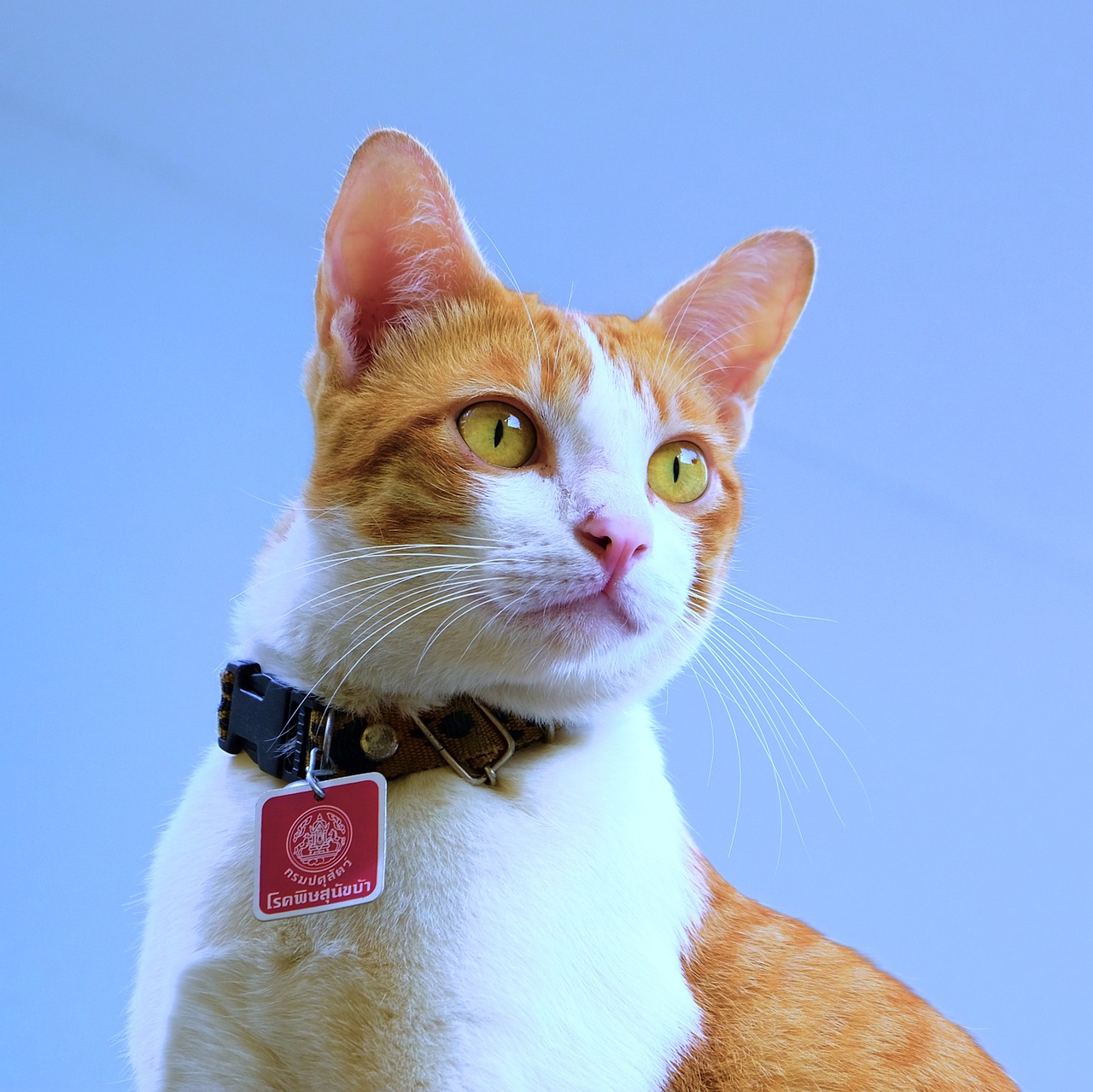

Understanding the Features of Modern Training Collars for Cats
Training collars for cats have evolved significantly, providing pet owners with more effective tools for training their feline friends. These collars now incorporate various features that cater to different training needs. One key aspect is the adjustable settings that allow owners to customize the intensity of corrections based on the cat’s behavior. Furthermore, many models are equipped with sound and vibration modes that serve as alternatives to static stimulation. This variability can help in training while avoiding undue stress on the animal. Moreover, the modern materials used in these collars ensure comfort for your pet, making them easier to wear for extended periods. Those designed with reflective materials can offer added safety during evening walks. Additionally, the inclusion of rechargeable batteries in many collars means less hassle for owners, eliminating the need for frequent battery replacements. To ensure a proper fit, it’s crucial to measure your cat’s neck and choose a collar that provides both security and comfort. Selecting the ideal collar can significantly enhance your training outcomes, ensuring a harmonious relationship between you and your pet.
Understanding the features of training collars is critical for effective training. A well-designed collar can significantly impact your cat’s responsiveness to commands and desired behaviors. One important feature to consider is the collar’s size and adjustability. Cats come in various shapes and sizes, so a collar that fits securely without being too tight is essential. Training collars are often made with either nylon or leather materials. Nylon collars can be strong, durable, and lightweight, while leather collars offer a more comfortable fit. Another crucial feature is the training method options integrated into the collar. Advanced models typically allow for multiple modes, such as tone, vibration, or static correction. Notably, the collar’s range is also important; ensure that it covers the distance of your training area. Long-range collars are particularly useful if you aim to train in larger spaces. Furthermore, a waterproof design can add to the versatility, allowing for training in various weather conditions. When selecting a collar, consider the warranty and customer reviews as well, which can provide insights into the collar’s effectiveness and reliability.
When it comes to using training collars, the philosophy behind their operation is essential for success. Training collars work on the principle of providing immediate feedback to the cat whenever they exhibit undesired behavior. This helps the cat associate certain actions with corresponding reactions, fostering better behavior in the long run. It’s crucial for owners to combine positive reinforcement when training with collars. By pairing corrective action with praise or treats when the cat responds correctly, you can build a more effective training routine. Also, monitoring your cat’s behavior after using the collar will help in understanding its effectiveness and ensuring that it fits your cat’s personality. It’s advisable to start training in a distraction-free environment, gradually increasing stimulation as the cat becomes more accustomed to the collar. Recommendations from experienced trainers can be valuable, and many online resources provide guidance on collar use. Consistency remains key; regular practice helps reinforce the learned behaviors. Always prioritize your cat’s comfort and wellbeing to promote a positive experience with training collars.
Safety and Comfort Considerations
Safety should always be a primary concern when using training collars on cats. Selecting a collar specifically designed for cats is vital, as collars intended for dogs may not fit properly or function as needed. Ensure the collar has a breakaway feature that releases under pressure; this prevents injury should the collar snag on an object. Additionally, regular checking of the collar for wear and tear will prevent mishaps during use. Comfort is equally important; collars should be soft and padded where possible to prevent chafing. Choose a lightweight collar that doesn’t weigh down your cat’s neck, allowing them to move freely. Monitoring your cat’s reaction to the collar, especially during initial use, can provide insights on whether adjustments are necessary. If there are signs of distress, it may be essential to reconsider the collar type or methods used. Moreover, always consult with a veterinarian or professional trainer if uncertain about collar usage. Prioritizing your cat’s safety and comfort makes for a more effective and humane training process, helping to build trust and cooperation.
Furthermore, the importance of education about the use of training collars cannot be overstated. Cat owners should familiarize themselves with the functionalities and limitations of their chosen collar. Many manufacturers provide instructional manuals or online tutorials that explain proper use and training techniques. Understanding the settings features and how adjustments affect training will empower pet owners. Many models come equipped with mobile applications that enhance the training experience, tracking progress and performance metrics. Engaging with other cat owners through forums or social media can provide beneficial insights and tips. Sharing success stories and challenges can help build a supportive community focused on pet training. Additionally, enrolling your cat in training classes can provide expert guidance on effective collar use and general training methods. A knowledgeable trainer can offer personalized insights specific to your cat’s temperament and respond accordingly to issues that may arise. Investing time in learning ensures a successful journey with your cat, leading to improved behavior and a stronger bond between pet and owner.
Choosing the Right Training Collar
Choosing the right training collar for your cat involves understanding specific needs and preferences. Begin by assessing your cat’s temperament and behavioral issues that need addressing. Understanding whether your cat is easily distracted, fearful, or stubborn can influence your choice of collar type and features. Researching different collar brands and reading expert recommendations can lead you to the most suitable options. Many collars come with varied pricing, so setting a budget can simplify the decision. Once you narrow down your options, consider testing the collars for fit and comfort. A collar that your cat easily accepts will improve the training experience. Furthermore, reviews from other cat owners can provide insights on the effectiveness of specific models. If possible, visit a pet store to observe different collars firsthand and seek assistant advice. Assessing your cat’s reaction during the fitting process can aid in evaluating comfort levels. Ultimately, investing time in selecting the right collar will enhance your training experience and strengthen the relationship with your pet.
After you’ve selected the right training collar, it is crucial to approach training with patience and consistency. Training collars are only tools; the effectiveness hinges on the owner’s commitment and technique. Begin with short training sessions, gradually increasing the duration as your cat shows understanding. Observe your cat’s reactions closely; it’s essential to provide encouragement and praise when they respond positively. Negative experiences can lead to resistance, so ensuring positive reinforcement is key. Using a simple command that your cat knows can make training more efficient when paired with the collar. Continuous monitoring of progress ensures that training stays on track and allows for timely interventions if necessary. Adjustments in approach may be needed based on your cat’s responses and evolving behavior. Taking a break if the training session becomes stressful can be beneficial for both cat and owner. Engaging with your cat in a relaxed environment outside of training can also strengthen your bond. Ultimately, a successful training experience builds trust and ensures that your cat learns effectively.
In conclusion, choosing a modern training collar for cats entails understanding features, prioritizing safety, and being committed to education. The training collar you select is a tool that can significantly enhance your relationship with your feline friend and improve their behavior. Remember to take into account your cat’s unique personality and needs throughout the process. With the right knowledge, dedication, and approach, training can be a pleasant experience that creates a well-behaved and happy cat. Your journey towards effective training involves continual learning and adapting your methods to ensure success. Seek out resources, connect with fellow cat owners, and don’t hesitate to reach out to professionals. Training collars have the potential to benefit both pet and owner when utilized correctly. The ultimate goal is to create a harmonious environment for both, in which the cat feels secure and loved. Every step taken towards better training will lead to a more understanding bond. Investing in proper training and communication will yield long-lasting rewards for both pet and owner, as you embark on this shared journey of growth together.