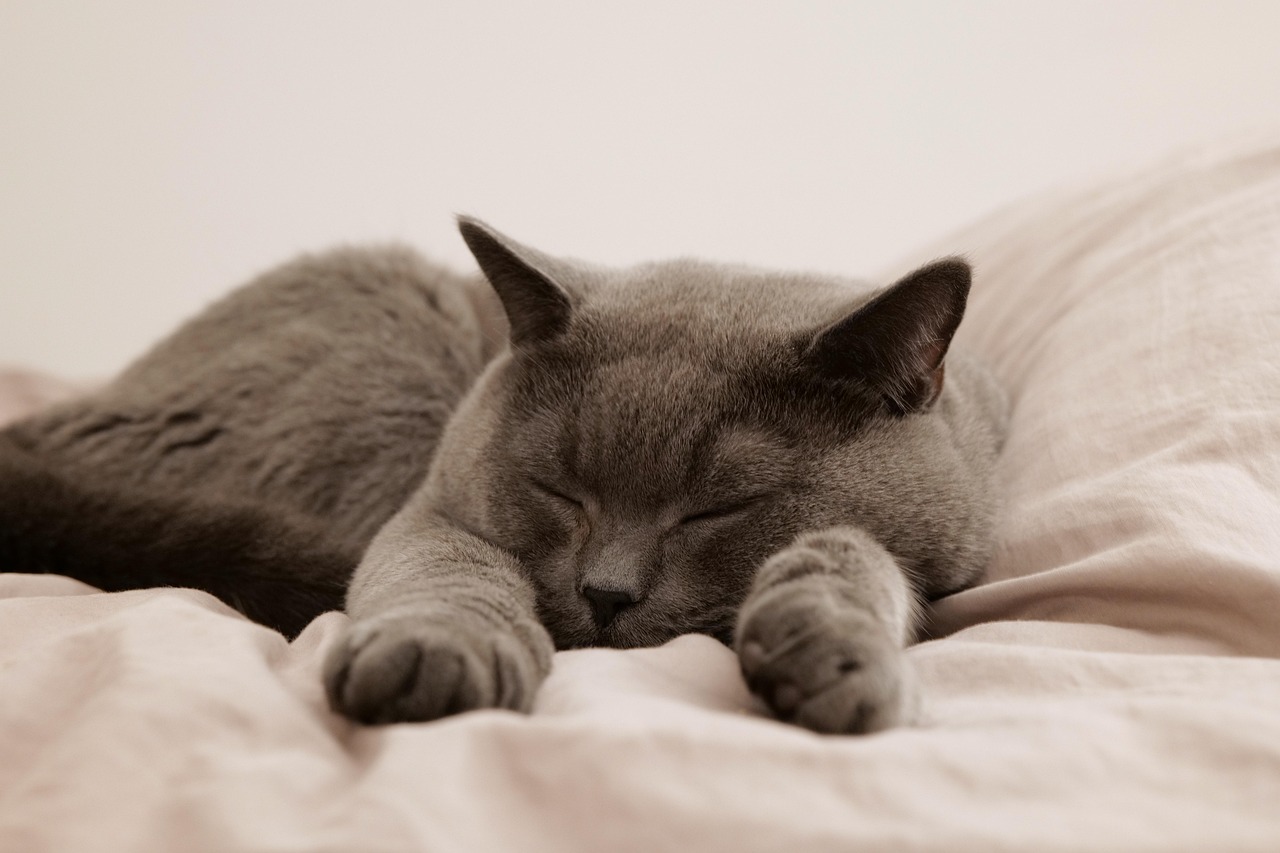

Creating the Perfect Sleep Environment for Your Cat
If you want your feline to sleep soundly, creating the ideal sleep environment is crucial. Cats, being creatures of habit, seek comfort and warmth during their naps. Start by designating a quiet and cozy spot specifically for your cat. Unlike dogs, cats prefer high, secure places where they can observe their surroundings. Consider a cat tree or a shelf that provides elevation. Additionally, it is essential to make this area distinct by adding soft bedding. A plush blanket or a specifically designed cat bed will entice them to curl up and relax. Remember to keep this space free from disturbances. Ensure it’s away from the hustle and bustle of a home. Each cat has its unique preferences, so you may need to experiment with materials. Providing a safe haven with minimal distractions is vital in nurturing their sleep habits. Lastly, consider adding a touch of warmth through covered areas, as most cats enjoy snug environments. This not only encourages better sleep but also promotes feelings of security, vital for their overall well-being. Therefore, consider every aspect of their sleeping space.
Lighting plays an important role in your cat’s environment as well. Cats are naturally crepuscular hunters, most active during dusk and dawn. Providing adequate lighting during these times encourages healthy sleeping patterns. Use curtains or blinds to control the natural light in the room where your cat sleeps. Make it dark and cozy at night, helping indicate it’s time for rest. While cats can adapt to different light levels, a room that simulates dusk can promote soothing sleep. Implement dimmable lights that mimic natural light patterns, allowing your pet to rest peacefully. Do not forget about sound, as it significantly affects sleep quality. Soft background noise, like a white noise machine or gentle music, can drown out disruptive sounds that might wake your cat. These auditory factors contribute to a conducive sleeping environment. Comfort is a balance of light, sound, and texture in their resting area. Monitor how your cat responds to these adjustments and refine the environment accordingly. Ultimately, it’s about creating a peaceful retreat for your beloved cat, ensuring they receive the restorative sleep they need for optimal health.
Temperature Considerations for Cat Sleep
Temperature can significantly impact your cat’s sleep habits. Cats typically seek warmth, so it’s crucial to keep their sleeping area cozy. Ideal temperatures range between 65 and 75 degrees Fahrenheit. If possible, use a thermostat to maintain consistent warmth that suits your cat’s liking. During colder months, blankets or heated pads can provide additional warmth, encouraging your cat to snuggle up and rest. However, ensure that any heating device is safe and designed for pet use, preventing potential accidents. In summer, providing options for coolness is equally important. Cats may easily overheat, leading to restless behavior. Favor locations near air conditioning vents or where cool air circulates. Consider using breathable fabrics and lighter bedding during warmer months. The type of flooring also plays a role; ceramic tiles stay cool and can provide relaxation spots. Therefore, change the surroundings as the seasons change and make necessary adjustments to ensure constant comfort year-round. By managing the temperature, you’re supporting better sleeping patterns for your kitty, ensuring both safety and comfort for their well-being.
Moreover, consider the smells around your cat’s sleeping area. Felines have an acute sense of smell, and certain scents can help or hinder their comfort. Soft fabrics with natural odors can create a reassuring atmosphere. Using cat-safe essential oils, like lavender, in small amounts can create calming effects. A spritz of catnip spray on their bedding can also entice a comforting environment. However, always ensure that any scent you introduce is safe for pets, avoiding any toxins. Regularly cleaning their sleeping area can prevent lingering unpleasant odors that might be disruptive. Cats appreciate cleanliness, occasionally seeking fresh spots to sleep. Pay attention to their reactions; if they seem less inclined to sleep, investigate the surrounding smells. Their intricate sense of smell helps determine safe spaces, influencing their desire for rest. So by ensuring their area remains pleasant and safe-scented, you’re fostering an inviting sleeping habitat. Remember, your goal is to make a space where they feel comfortable and secure, allowing them to drift into peaceful slumber without interruptions.
Creating Vertical Spaces for Cats
Giving your cat vertical spaces to explore can significantly enhance its sleeping habits. Cats enjoy climbing as it fulfills their instinctual need for security and territorial observation. Installing shelves or providing cat trees not only benefits their playtime but also gives them ideal sleeping spots. Tall places such as window sills allow them to bask in warm sunlight while resting, a natural behavior encouraging sleep. Vertical designs also foster a sense of control over their environment, making them feel secure while they sleep. Ensure these areas are stable and safe to prevent accidents during their slumber. Choose natural materials that are inviting, like wood or fabric, which provide both texture and comfort. Cats often prefer to retire to their perch once they feel tired; thus, incorporating various levels can cater to their preferences. Observe your cat’s sleeping habits, shifting its resting spot as needed, promoting explorative behavior. With vertical spaces, not only does your home gain more character, but your cat’s sleeping environment becomes a haven of comfort and security. Invest in these areas to support your cat’s essential resting routines.
Another critical aspect of creating the perfect sleep environment is ensuring minimal disturbances. Cats are sensitive creatures and may be easily awakened by loud noises or chaotic environments. Position your cat’s sleeping area away from busy household traffic areas, such as doorways or living rooms where there might be unexpected activity. Consider creating barriers, like screens or furniture, to shield their retreat. Reducing sudden noises can also provide a more relaxing space. For instance, if your home experiences frequent disturbances, you might reevaluate timings for energetic activities to be less disruptive. If necessary, provide calming music slightly above background level to drown out harsher sounds. Additionally, observing your cat for its reactions can help refine this environment, noting at what volume or type of sound it appears restless. Remember, cats thrive in predictable and serene atmospheres where they feel safe to dream. By minimizing disturbances, you’re tailoring your home to foster a luxurious sleep experience, allowing your pet to feel secure and calm enough to fall deep into their slumber. Their health benefits immensely from uninterrupted rest in a picturesque sleeping area.
Encouraging Healthy Sleeping Patterns
Encouraging healthy sleeping patterns involves recognizing your cat’s natural rhythm. Cats can adapt to various routines, but maintaining consistency is vital. Try feeding your felines and engaging in play at similar times every day. This structure helps establish a predictable daily schedule, which offers comfort and signals when it’s time to rest. Observe your cat’s behavior; some may enjoy sunbathing during the day, while others thrive during quiet evenings. Identify these patterns to support their preferences and schedule downtime. Regular exercise significantly benefits their sleep, so allot time for interactive play, stimulating their natural hunting instincts. Try toys that engage their senses, aiding physical and mental stimulation, helping them unwind properly. When bedtime approaches, ease the transition into relaxation with gentle interactions, like light petting or quiet conversations. Hydration plays an important role, too. Ensure your cat has constant access to fresh water, influencing its overall health and mood. By respecting their natural cycles and rhythms, you create a harmonious environment that encourages deep sleep, ensuring your feline friend wakes rejuvenated and ready for the adventures of each new day.
Ultimately, creating the perfect sleep environment for your cat means considering all aspects of comfort and security. From lighting to temperature, sound, and cleanliness, each detail significantly contributes to your feline’s well-being. Cats thrive in spaces designed with their unique habits and preferences in mind, allowing them to enjoy peaceful slumber. Notably, you should remain observant and consistently refine the environment over time. Each cat is different, and their choices about sleeping spots may evolve. Embrace an adaptable approach, observing how they respond and making adjustments as needed. Consider engaging with feline behaviorists or veterinarians if you’re curious about your cat’s behaviors, ensuring you create the best sleeping conditions. Don’t hesitate to invest time and resources into making their environment inviting and supportive; consider it a loving commitment to their health. In doing so, your feline friend will exhibit joyful behavior, robust health, and deep, restorative sleep. Providing such a calming and enriching environment not only shapes their sleep but enriches their overall quality of life, forging a strong bond between you and your beloved pet while ensuring they thrive for years to come.