
Introduction to DIY Toys for Boxers
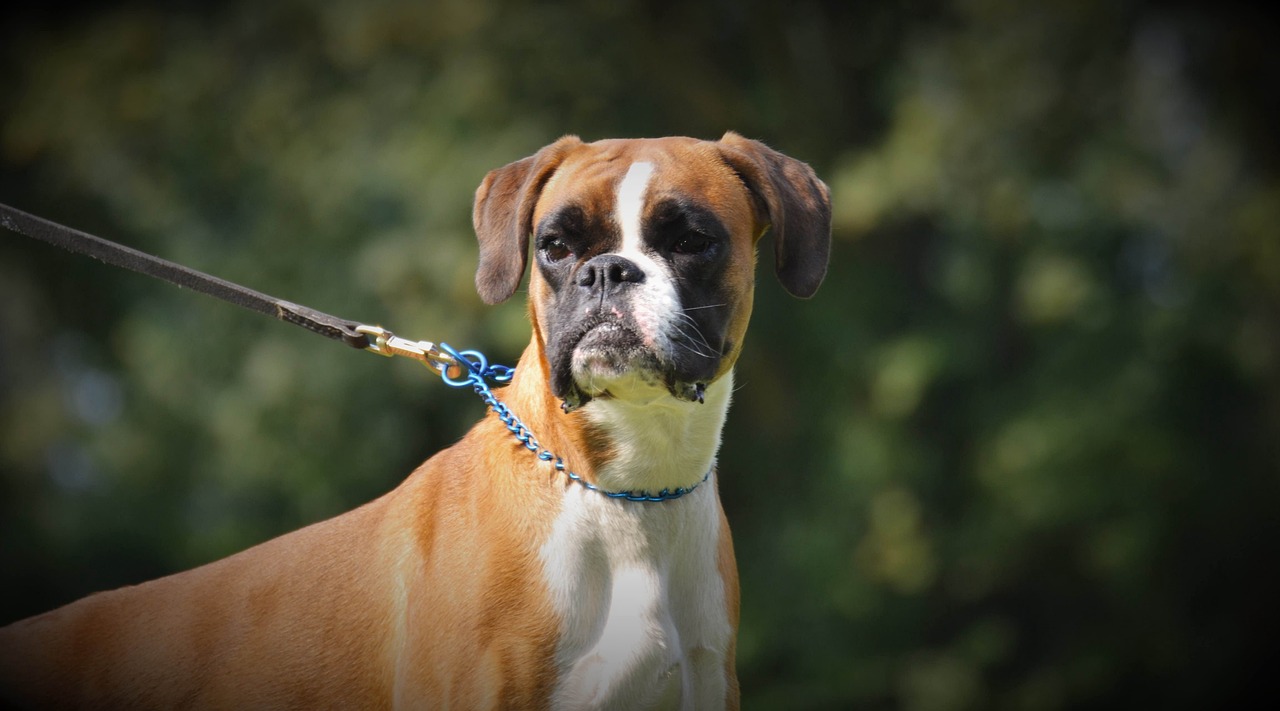
Boxer dogs are known for their energy and playful behavior, making them ideal candidates for interactive toys. Creating DIY toys can not only be a fun activity but also a cost-effective way to provide mental stimulation and exercise for your furry friend. The bond you develop through playtime is essential for your dog’s emotional health. Moreover, DIY toys can be tailored to suit your pet’s specific interests and needs. You can use various materials and simple instructions to craft toys that will keep your Boxer entertained for hours. This article will explore several ideas for homemade toys and games, giving your pet the physical activity and mental engagement they crave. It’s essential to focus on safety when making these toys, ensuring they are durable and non-toxic. Gathering materials that are commonly found around your home can make this not only economical but also environmentally friendly. With a little creativity and some time, you can craft amazing toys that will delight your Boxer and enhance your relationship through play. Your dog will appreciate the extra time you spend crafting, and you’ll enjoy watching them play with your homemade creations.
Interactive Tug Toys
Tug toys are an excellent way for you and your Boxer to engage in interactive play. You can easily create these toys using old t-shirts or fleece fabric. Simply cut the fabric into strips, braid them together, and knot both ends securely. When choosing fabric, make sure it is durable enough to withstand your dog’s strong tugging tendencies. This will ensure the toy can endure prolonged use without falling apart. You can also use rope, which adds extra strength and texture to the toy, engaging your Boxer even more. Tugging is not only fun but also provides a great workout for your dog, helping to build strong muscles. To enhance the experience, consider incorporating a command like “tug” to teach your dog its meaning during playtime. Remember to supervise your dog while they play with tug toys to prevent any accidents or injuries. Adding a little competition can also spice up the game; take turns pulling on opposite ends! This enhances bonding and encourages your dog to develop teamwork and obedience skills, making it a rewarding experience for both of you.
Another exciting DIY option is creating fetch toys that can bring joy to your Boxer. Start with a sturdy ball or a even a rolled-up sock. If you opt for a sock, ensure it is tied tightly to prevent the contents from spilling out during play. You can also modify a tennis ball by cutting an opening and placing treats inside. This method encourages your Boxer to work for the rewards! By throwing the ball or sock, you will create engaging fetch games that provide physical activity and stimulate your dog mentally. Regular games of fetch can enhance your Boxer’s natural chasing instincts and develop obedience. For added agility, mix in some commands like
“bring it here”. This reinforces proper fetching behavior, encouraging your Boxer to drop the toy at your feet. Experiment with different materials or shapes to keep your dog excited about fetching. Varied toys can diversify their play experience and keep them interested for longer periods. It’s vital to consider your dog’s safety; remove any toys that look worn or damaged to prevent choking hazards. Engaging in this type of play not only helps develop your Boxer’s physical capabilities but also fosters a deeper connection between pet and owner. Plus, watching your dog enjoy the fruits of your labor can be incredibly satisfying and gratifying!
Puzzle Games for Mental Stimulation
Incorporating puzzle games into your DIY toy repertoire can significantly contribute to your Boxer’s mental stimulation. Dogs are intelligent creatures that thrive on problem-solving tasks, and making your own puzzle can be an exciting project. Start by taking a muffin tin and placing treats in some of the cups, then cover them with tennis balls. Your Boxer will need to figure out how to remove the balls to get to the treats. This encourages them to use their noses and paws enhance their natural instincts. You can also utilize cardboard boxes to create a fun scavenger hunt by hiding treats inside some of them. By mixing things up, you keep your Boxer engaged and stimulate their mind. As they face challenges and solve puzzles, their critical thinking develops, leading to a more intellectually satisfied dog. Regularly introducing new puzzles helps prevent boredom, which can lead to destructive behavior. Remember to watch your dog during play; providing gentle guidance may assist them learning how to tackle each challenge.
Another creative way to keep your Boxer entertained is by constructing interactive games that challenge their instinctive skills. Using household items, like empty plastic bottles or cardboard boxes, you can create enriching environments for your pet. For example, simply hiding treats or toys in these items encourages them to use their noses and paws to uncover their treasures. Seek out treats that are enticing and ensure they are safe for dogs. You can even cut holes in the bottles to make it easier for your dog to access the treats. This type of play not only stimulates your dog’s brain but also allows for physical movement, especially if they have to navigate through the obstacles. Creating variety in these games can keep your Boxer returning for more fun. It’s essential to oversee the play to ensure your dog does not consume any inappropriate pieces or get overly frustrated. Adjusting the difficulty of the game is key, as it ensures that your Boxer remains engaged without becoming overwhelmed. Your creativity will definitely pay off as you witness your Boxer excel at these games.
Safety Considerations for DIY Toys
When creating DIY toys for your Boxer, it is vital to prioritize safety before anything else. Ensure that all materials used are non-toxic and dog-friendly. Items like strings or small parts can pose choking hazards, especially for playful Boxers. Avoid using anything with sharp edges or small pieces that could be ingested, leading to serious health issues. Qualification of materials ensures peace of mind during playtime, allowing both you and your dog to enjoy the experience stress-free. It’s a good idea to regularly inspect toys for signs of wear and replace them as necessary, as older toys might not offer the same safety. Supervision during playtime is crucial to guarantee that your Boxer doesn’t engage in destructive chewing that could lead to accidental ingestion. If your DIY creation begins to show signs of wear and tear, it’s best to recycle it immediately. Educating yourself about safe crafting materials can enhance your peace of mind, and consulting with a veterinarian regarding toy safety can lead to more informed decisions. Involving your Boxer during this process can foster great bonding experiences while keeping them safe.
Finally, take the time to engage with your Boxer during play. Watching them respond to your handmade toys is truly rewarding. Set aside regular playtime sessions where your Boxer can explore and enjoy the fruits of your creativity. For optimal results, dedicate a few moments to teach them commands related to each toy, further enhancing your communication. This training will strengthen the bond you share while giving your dog mental stimulation. Playtime should not only feel exciting; it ought to feel like quality time spent together, fostering a deeper connection. Look for cues from your Boxer regarding which toys they prefer so you can focus on those during your crafting sessions. Celebrate successes with lots of praise and treats, creating an enjoyable atmosphere that encourages exploration and engagement. Regularly introducing new toys will keep the excitement alive, making every play session feel fresh and fun! Remember that the ultimate goal is to provide enrichment while enjoying the playful antics of your beloved Boxer dog. Start crafting and enjoy every moment spent creating and playing.”}]} anceled. {{ broken-loop-return }} {} {{ broken-loop-return }} {} {{ broken-loop-return }} {} {{ broken-loop-return }} {} {{ broken-loop-return }} {} {{ broken-loop-return }} {} {{ broken-loop-return }} {} {{ broken-loop-return }} {} {{ broken-loop-return }} {} {{ broken-loop-return }} {} {{ broken-loop-return }} {} {{ broken-loop-return }} {} {{ broken-loop-return }} {} {{ broken-loop-return }} {} {{ broken-loop-return }} {} {{ broken-loop-return }} {} {{ broken-loop-return }} {} {{ broken-loop-return }} {} {{ broken-loop-return }} {} {{ broken-loop-return }} {} {{ broken-loop-return }} {} {{ broken-loop-return }} {} {{ broken-loop-return }} {} {{ broken-loop-return }} {} {{ broken-loop-return }} {} {{ broken-loop-return }} {} {{ broken-loop-return }} {} {{ broken-loop-return }} {} {{ broken-loop-return }} {} {{ broken-loop-return }} {} {{ broken-loop-return }} {} {{ broken-loop-return }} {} {{ broken-loop-return }} {} {{ broken-loop-return }} {} {{ broken-loop-return }} {} {{ broken-loop-return }} {} {{ broken-loop-return }} {} {{ broken-loop-return }} {} {{ broken-loop-return }} {} {{ broken-loop-return }} {} {{ broken-loop-return }} {} {{ broken-loop-return }} {} {{ broken-loop-return }} {} {{ broken-loop-return }} {} {{ broken-loop-return }} {} {{ broken-loop-return }} {} {{ broken-loop-return }} {} {{ broken-loop-return }} {} {{ broken-loop-return }} {} {{ broken-loop-return }} {} {{ broken-loop-return }} {} {{ broken-loop-return }} {} {{ broken-loop-return }} {} {{ broken-loop-return }} {} {{ broken-loop-return }} {} {} {{ broken-loop-return }} {} {} {{ broken-loop-return }} {} {} {{ broken-loop-return }} {} {} {{ broken-loop-return }} {} {} {{ broken-loop-return }} {} {} {{ broken-loop-return }} {} {} {{ broken-loop-return }} {} {} {{ broken-loop-return }} {} {} {{ broken-loop-return }} {} {} {{ broken-loop-return }} {} {} {{ broken-loop-return }} {} {} {{ broken-loop-return }} {} {} {{ broken-loop-return }} {} {} {{ broken-loop-return }} {} {} {{ broken-loop-return }} {} {} {{ broken-loop-return }} {} {} {{ broken-loop-return }} {} {} {{ broken-loop-return }} {} {} {{ broken-loop-return }} {} {