
Home Care Tips for Cats Recovering from Infectious Gastroenteritis
Infectious gastroenteritis in cats can be distressing for both the pet and the owner. After the diagnosis, understanding how to care for your kitty at home becomes crucial. Begin by ensuring that your cat stays hydrated, as vomiting and diarrhea can deplete their fluids. Provide fresh water and consider offering an electrolyte solution designed for pets, available at pet stores or through your veterinarian. Small, frequent sips of water can help replace lost fluids without overwhelming their stomach. Encouraging your cat to drink can be challenging, so ensure the water source is always clean and accessible. If your cat resists drinking, try offering ice cubes or ice chips for them to lick. Adjust their food gradually as they improve; introduce easily digestible foods like boiled chicken, rice, or specialized cat food that’s gentle on their stomach. Always consult your veterinarian before changing their diet. It’s essential to monitor their food intake and watch for signs of improvement or deterioration during recovery. Keeping a log of their habits can help you as you report back to your vet.
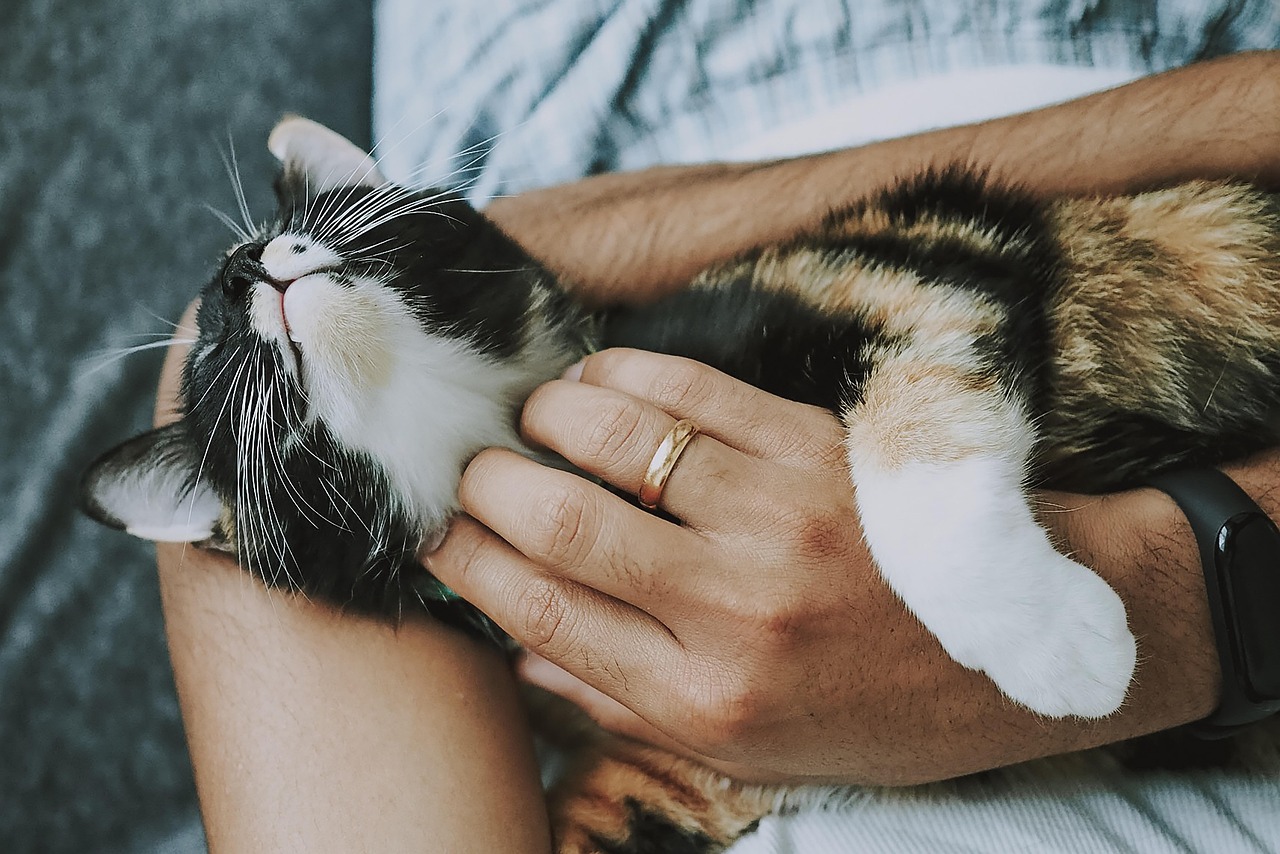
Maintaining a comfortable environment is another key factor in aiding your cat’s recovery from infectious gastroenteritis. Cats are sensitive to their surroundings; therefore, ensuring a quiet, stress-free zone is essential. Create a safe space where your cat can rest without disturbances from loud noises or other pets. Providing them with a cozy bed, blankets, and familiar toys will help them feel more secure during their recovery process. Cats often feel vulnerable when they are not well, so ensuring they have a hideout allows them to retreat when they wish to be alone. Avoid overcrowding their space with visitors, and keep the household calm overall. Observe your cat’s behavior regularly; lethargy or abnormal signs can indicate that they might need further veterinary attention. It’s also important to maintain cleanliness in their litter box and eating area, as a hygienic environment helps reduce anxiety and supports healing. During this recovery phase, interaction might be limited, but gentle petting and closeness can boost their spirits. Always prioritize their comfort while respecting their need for solitude.
Signs of Improvement and When to Seek Help
As your cat begins to recover from infectious gastroenteritis, you should be vigilant in observing their progress. Check if they’re returning to their regular eating habits; an ongoing appetite is a positive sign. Soft, formed stools are also a good indicator that their digestive system is healing and processing food effectively. Pay close attention to how your cat behaves during this period. Are they more playful or inquisitive? This behavioral shift is a strong indication of improvement. However, sometimes signs and behaviors can seem ambiguous. Therefore, it’s crucial to keep an open line of communication with your veterinarian. If your cat exhibits persistent vomiting, diarrhea, lethargy, or if there is a noticeable lack of interest in drinking or eating, contact your vet right away. Always trust your instincts when caring for your pet, as you know their normal behavior best. Recovery can take time, and it’s critical to remain patient and attentive to their needs during this vulnerable period in their life. Act promptly if anything seems off.
Another significant aspect of caring for a cat recovering from infectious gastroenteritis is ensuring they receive necessary medications as prescribed by their veterinarian. Compliance with medication schedules is essential in promoting recovery. If your vet has advised medications to manage symptoms or combat the infection, follow their directions meticulously. Simplifying the process can sometimes help adult cats take their medications. Crushing tablets and mixing them with a small amount of wet food may work, but always confirm this method with your vet to ensure it won’t interfere with the medication’s efficacy. Track your cat’s response to medications as well. If you notice worsening symptoms or new adverse reactions, report these to your vet immediately. Consistency is key for recovery; creating a routine around feeding and medication can help instill a sense of normalcy even during a time of illness. Additionally, consider investing in pill pockets, which can conceal medications within a tasty treat. Keeping your cat calm during medications can minimize stress for both of you, ensuring they receive the care they need.
Nutrition Tips for Recovery
Nutrition plays a vital role as your cat recuperates from gastroenteritis. It’s essential to provide a balanced diet tailored for recovery. Short-term, focus on bland, digestible foods. Quality options include boiled chicken, rice, or specialized recovery cat food formulated for sensitive stomachs. These options help gradually reintroduce regular food and nourish your pet without further distress. Small, frequent meals are preferable over larger portions, as they prevent overwhelming a recovering digestive system. Over time, slowly transition back to their usual diet. Introducing foods gradually can further ease any digestive disruptions. Monitor their response closely to identify any adverse reactions early. Always consult your veterinarian regarding any dietary changes and the types of food suitable for your cat’s specific condition while recovering. Supplemental options like probiotics can also help restore gut flora and improve digestion post-illness. Hydration remains paramount alongside nutrition, so continue providing fresh water and electrolyte solutions interestingly. An engaging feeding environment can stimulate appetite; consider puzzle feeders to make meals interactive and enjoyable.
Ultimately, the emotional well-being of your cat is just as critical during their recovery from infectious gastroenteritis. Keep their favorite activities accessible and allow them to engage at their own pace. Engaging playtime can enhance their spirits and health; introduce interactive toys that invite gentle play rather than intense activity. Cats may appreciate gentle brushing or even soft speaking to reinforce a bond between you during their vulnerable phase. Creating special routines or extra playtime can also keep their spirits up while fostering a sense of normalcy in their environment. Additionally, while they are recovering, having trusted confinement can help them feel secure. If your cat has lower energy, provide quiet entertainment such as watching birds through a window or offering a cozy lap to sit on while you gently talk to them. This maintenance of normalcy, alongside soothing sounds, can comfort your cat significantly. Always be patient, as recovery takes time, but keeping their spirits elevated will give them emotional support in addition to physical healing.
Conclusion
In conclusion, caring for a cat recovering from infectious gastroenteritis requires attention to hydration, nutrition, environment, and emotional support. Monitoring their progress critically and maintaining open communication with your veterinarian is fundamental. Remember to provide appropriate medication, varying their diet as they improve, and keeping them in a stress-free setting. Patience is paramount during recovery, and watching for signs of improvement, like appetite and playful behavior, will help gauge their healing. Be proactive in seeking additional help if signs of deterioration arise. Throughout this ordeal, your love and care are tremendous assets in helping your feline friend return to health. Infusing their care with comfort and routine, while ensuring they stay nourished, hydrated, and medicated, will ultimately guide them toward a successful recovery. Each cat is unique, and the timing of recovery will vary; thus, ensure to cherish small victories along the way. Emphasizing wellness, understanding how to adapt home environments to meet their needs will significantly impact their healing process.