
Understanding the Basics of Dog Show Rules and Regulations
Dog shows are organized competitions that assess the conformation and performance of various breeds. The rules and regulations governing these events ensure fair play and standardization. Each dog is judged based on its adherence to the breed standard established by the respective kennel club. Every competition covers various aspects, from grooming to behavior. Judges evaluate dogs after observing their movement, posture, and special characteristics that define the breed. You need to familiarize yourself with the specific criteria required for your breed. It is crucial to prepare your dog not just for performance but also to present it appealingly. Exhibiting your dog requires practicing show manners, learning about the competition, and understanding the peculiarities of the show ring. Additionally, handlers should also possess knowledge of dog care and grooming practices. Knowing the rules reduces stress on the day of the event. A comprehensive understanding of everything from attire to handling techniques and health checks provides a competitive edge. These rules can change from show to show, so being informed is key to a successful dog show experience.
Registration and Entry Requirements
Before you can participate in any dog show, proper registration is essential. Different shows have various entry requirements, including specific documentation that needs submission. For instance, most shows require proof of past vaccinations, identification details, and registration with recognized kennel clubs. These details help organizers maintain a safe environment for dogs and their handlers. Moreover, understanding the eligibility criteria is vital. Some shows accept mixed breeds, while others focus solely on purebreds. Additionally, age classifications are crucial; puppies, adults, and veterans are often judged separately. Registration fees may also apply, so budget for these costs when planning for a show. Ensure you’re aware of deadlines for registration submissions and check that all required forms are correctly filled out. Most importantly, always update your dog’s health information as needed. Compliance with all registration rules contributes significantly to having a successful show experience. Consulting the show’s guidelines can provide clarity on the entire process. Many clubs provide detailed online resources listing everything needed for preparing for your competition or event adequately.
Another aspect of dog shows involves understanding various classes and categories. Each class is defined based on factors like breed, sex, age, and whether the dog has received championship titles. Knowing which class your dog fits into is vital for entry and can affect judging aspects. For example, classes can vary from puppy to open class based on the dog’s age or awards received. This classification emphasizes fairness, allowing judges to evaluate dogs against their peers. Also, handling practices differ per class, so study their specific requirements. In some instances, classes may award championship points for high-ranking dogs, impacting future show eligibility and competition opportunities. Additionally, considering whether to show in breed or performance classes can impact the overall experience. Breed shows primarily focus on physical attributes and standards, while performance classes evaluate behavior and capabilities. This classification system allows handlers and owners to showcase their dog’s best attributes in the most fitting context. Learning about these essential classifications contributes significantly to identifying the right competitive path for your dog.
Judging Criteria in Dog Shows
Judging is arguably one of the most critical components of dog shows. Each judge uses a specific set of criteria to evaluate the dogs as they move through the ring. Typically, they look at attributes such as coat quality, grooming, and overall presentation of each dog. The breed standard serves as the baseline, highlighting the qualities that exemplify the ideal dog for each specific breed. Judges also assess movement, agility, and temperament, as these aspects can decisively impact the dog’s performance. Additionally, attention to details like eye color, ear placement, and tail position is essential. Judges may also evaluate the relationships between dog and handler, which can influence scores. Every moment in the ring is judged, meaning consistent training is vital. Such evaluations emphasize the importance of training your dog to exhibit itself confidently and obediently. It’s also important to recognize differences between judges; some may prefer small details while others might focus more broadly on performance and temperament. Therefore, adapting to multiple judging styles can enhance your chances of success.
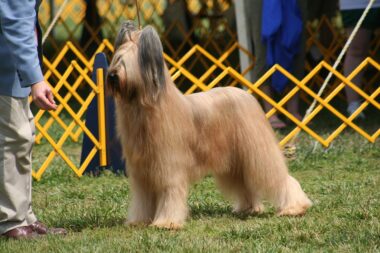
Grooming and presentation play significant roles in a dog’s performance during the show. A well-groomed dog not only looks appealing but also sets a positive impression on judges. Therefore, owners should invest time in ensuring their dogs are clean, brushed, and free of tangles. Species-specific grooming requirements often dictate what styles are preferred. For instance, certain breeds may require specific cutting styles, presenting hairs in particular arrangements, or maintaining certain lengths. Grooming goes beyond aesthetics; it also ensures the dog is comfortable and healthy, demonstrating good care routines. Moreover, handlers’ attire is equally important. Coordinated outfits can complement the dog’s appearance, creating a visually appealing team presentation. Some shows even have dress codes for handlers, so understanding these requirements is crucial. Performing grooming tasks early allows for extra attention to detail and stress reduction on the day of the event. Avoid last-minute grooming efforts that might lead to potential mishaps. Investing in professional grooming services may help if the required grooming style surpasses your skill level. Good grooming shows education, commitment, and respect for the competition.
Health Regulations and Safety Standards
Safety and health protocols are crucial when participating in any dog show. Organizers often require that all participating dogs show proof of vaccinations, ensuring the safety of all participants. Many shows enforce rules concerning communicable diseases like kennel cough or rabies. Understanding these health protocols is crucial; being informed ensures both you and your dog’s safety. Moreover, handlers and owners must be adept at recognizing signs of illness. If your dog shows any signs of discomfort or infection, it’s essential to consult a veterinarian before the event. Having received a clean bill of health not only allows participation but also reflects on responsible ownership practices during shows. Additionally, having first aid supplies handy can prove beneficial, ensuring minimal delays during emergencies. Unforeseen events can happen, making preparedness essential. Always bring fresh water and food for your dog, keeping them hydrated and energetic. Understanding the specific health regulations of the shows you attend can provide insights into what may be expected of both you and your dog. These attentiveness hallmark responsible dog show participation, ensuring a safe environment for all.
In conclusion, dog shows create a splendid opportunity for showcasing canines while learning proper handling and grooming methods. Familiarizing yourself with the rules and regulations is essential for a smooth participation experience. They encompass every aspect, from registration requirements to health protocols, all designed to ensure fair play and safety. Understanding breed standards and judging criteria enhances the chances for success while helping to develop a lasting bond with your dog. Investing time in training and presentation creates well-rounded participants capable of impressing judges and spectators. Moreover, having a good grasp of grooming, handling techniques, and health standards leads to teamwork during shows. Building a support network within the dog show community can further enhance the experience, providing insights and advice on best practices. These competitions are not merely contests of beauty but celebrations of the hard work owners and dogs put into their training. Therefore, it’s essential to enjoy the journey and the love shared with your furry friends through the entire process. Every show presents an opportunity to learn and grow, making future competitions much more enjoyable and successful.