
Understanding Tooth Resorption in Dogs and Surgical Treatments
Tooth resorption is a dental condition that can significantly impact dogs, affecting both their health and overall quality of life. This condition manifests when the body starts to break down and absorb the tooth structure, leading to pain and discomfort. It can occur in various forms, commonly as a result of periodontal disease, feline odontoclastic resorptive lesions, or even due to genetic predisposition. As the tooth resorbs, it often becomes more fragile, increasing the likelihood of fractures during chewing. Symptoms such as reluctance to eat, excessive drooling, and signs of pain while eating may indicate tooth resorption. Pet owners should remain vigilant and schedule regular dental check-ups for their furry companions. Routine dental examinations can help spot early signs of issues, allowing for timely interventions. Some veterinarians suggest using specific tools like dental radiographs to monitor tooth integrity and assess the severity of dental diseases. Understanding this condition is crucial for pet owners, as it can lead to other health concerns if not appropriately addressed. Ensuring a proper dental care routine is one of the best preventative measures owners can take to minimize such risks.
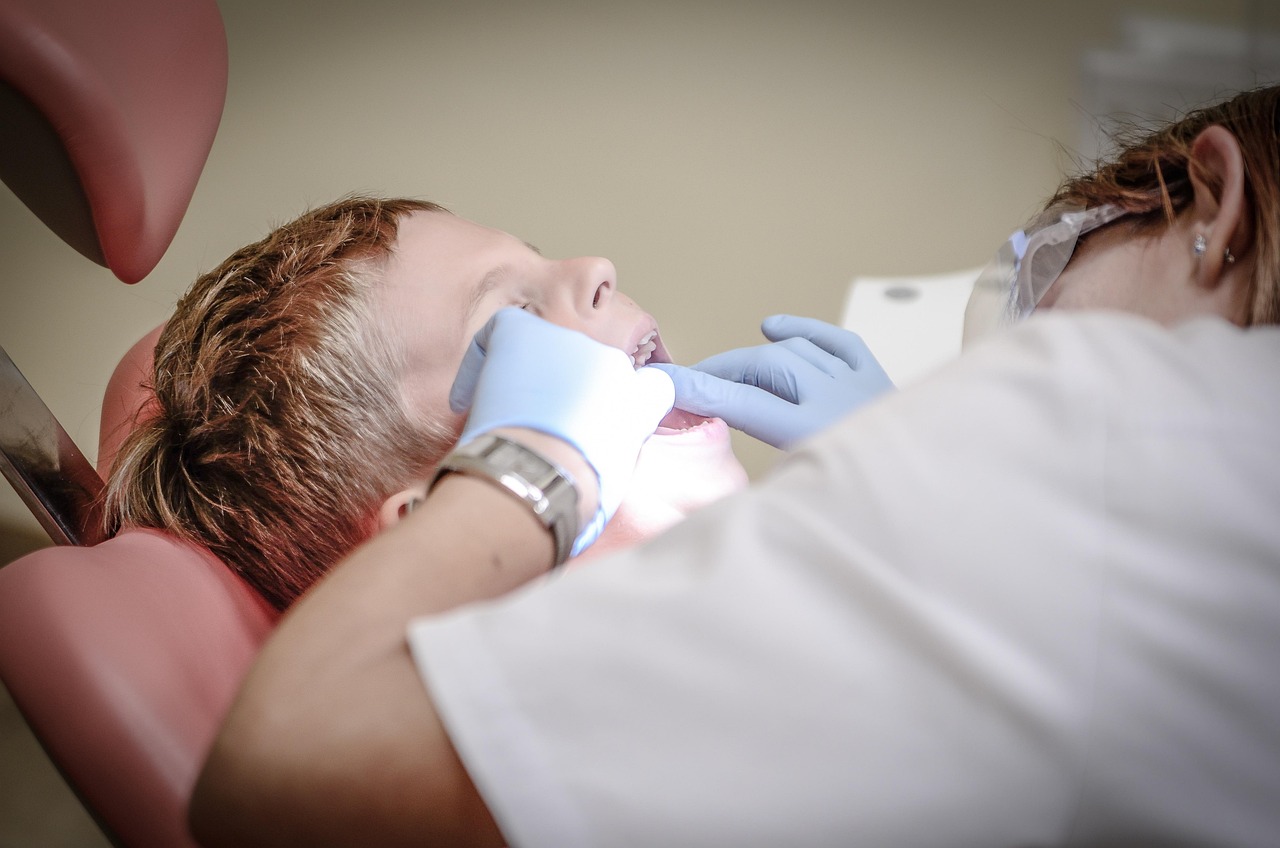
One of the most effective treatment options for tooth resorption in dogs is dental surgery. Veterinary dentists will typically recommend extraction of affected teeth, especially when significant pain or structural damage is evident. This procedure prevents further complications and discomfort for the dog. Before surgery, a thorough examination is conducted, often including dental X-rays to ascertain the extent of the resorption and ensure a thorough understanding of the situation. After diagnosis, the surgical process entails anesthesia, tooth removal, and possibly further cleaning of the surrounding tissues. Post-operative care is critical in ensuring a smooth recovery; this often involves specific medications to manage pain and prevent infection. Owners should follow the veterinarian’s aftercare recommendations closely, ensuring that their pet is comfortable and healing properly. Nutritional adjustments may be necessary during the recovery phase. Providing soft food can significantly ease discomfort during this time. It is crucial for pet owners to monitor their dogs for any unusual behavior post-surgery, such as difficulty in eating or increased signs of discomfort, to ensure a beneficial healing environment.
Signs of Tooth Resorption
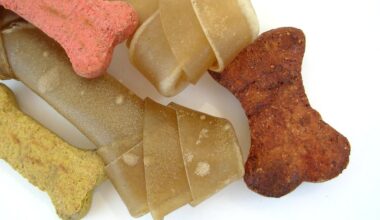
Identifying tooth resorption early can significantly affect how well it is treated. Pet owners should look for several warning signs, including changes in eating habits and general behavior. Reluctance to chew hard foods, preferring softer treats instead, can point towards dental pain. Other observable symptoms might include excessive drooling, bad breath, or visible swelling in the jaw area. If you notice any of these signs, it is crucial to schedule an appointment with a veterinarian. Often, dogs exhibit subtle changes in daily habits when they experience dental discomfort. Regular dental checkups are essential for early detection, as many signs may go unnoticed until the situation worsens. A veterinarian can utilize dental imaging techniques to detect hidden issues, allowing for timely intervention. These preventative measures, combined with good dental hygiene practices at home, can minimize complications. Regular tooth brushing, dental chews, and special diets designed for dental health can significantly improve your dog’s oral hygiene and overall health. Early detection empowers owners to take appropriate action to protect their dog’s dental health and comfort.
Veterinary professionals often recommend various dental techniques to help manage and prevent tooth resorption effectively. Professional dental cleanings are among the primary recommendations, aimed at removing plaque and tartar build-up that can aggravate dental diseases. These cleanings should be conducted at least once a year or more frequently for dogs with a history of dental issues. Additionally, products such as dental rinses, chews, and special diets formulated for dental health can help maintain oral hygiene between professional cleanings. These products can effectively reduce plaque and tartar formation while promoting healthy gums. Owners should consult with their veterinarian about their dog’s specific needs and the best dental care products available. It is essential to establish a consistent dental care routine at home; this includes regular tooth brushing and possibly incorporating dental-specific toys or treats. Understanding various dental health strategies will empower owners to take proactive measures in maintaining their dog’s dental well-being. Regular dialogue with a veterinarian can also provide insights into the effectiveness of different products and routines, enabling owners to adjust their approaches based on their dog’s evolving dental health.
Impact on Overall Health
Tooth resorption not only affects a dog’s dental health but can also have significant implications for their overall health. When dental diseases go untreated, bacteria can enter the bloodstream, potentially leading to systemic health issues, including heart, liver, or kidney disease. This connection underscores the importance of maintaining good oral hygiene and seeking treatment for identified dental issues. The inflammation and pain associated with dental issues can lead to behavioral changes; dogs may become less active or more irritable due to chronic pain. Pet owners should understand that dental health is an integral component of a dog’s overall wellness. Regular veterinary check-ups, coupled with proactive dental care, can minimize health risks related to poor dental hygiene. It is often recommended that owners educate themselves on signs of dental problems and maintain a regular dental care schedule. Implementing a holistic approach that includes nutrition, hygiene, and regular veterinary visits can dramatically improve a dog’s dental and overall health. Encouraging healthy habits early in life will serve your pet well, enhancing their quality and length of life.
Recovery after dental surgery is a crucial aspect of ensuring a dog returns to optimal health. Following the surgical extraction of teeth due to resorption, pet owners play a key role in the recovery process. It typically entails monitoring the surgical site for any signs of complication, such as unusual swelling or discharge. It’s essential to follow the veterinarian’s post-operative instructions thoroughly, which often include pain management and possibly dietary modifications. Soft foods should be offered to avoid unnecessary stress on the healing gums. Owners also need to keep an eye on their dog’s behavior during recovery, looking for signs indicating discomfort or unease. Providing a calm and quiet environment can help support their healing process. Engaging in gentle play can be beneficial but should avoid any vigorous activity until clear from the veterinarian. Regular follow-up appointments should be maintained to track the healing progress and ensure no further issues have developed. Ultimately, a focus on recovery will help facilitate a smooth transition back to normal life, emphasizing the importance of taking postoperative care seriously.
Long-term Dental Care
To ensure dogs maintain optimal dental health in the long run, it’s essential to create a comprehensive dental care plan. This involves regular dental check-ups with a veterinarian, ideally every six months, to monitor and address any emerging issues. Daily tooth brushing is highly recommended, using dog-specific toothpaste, which can help prevent plaque formation and gum disease. Additionally, incorporating dental treats or toys designed to promote oral health can support this routine. Establishing good dental hygiene practices earlier in life can lead to better health outcomes for older dogs. Many commercial products are available to aid in maintaining dental health; some owners might consider professional dental cleanings at veterinary practices. Consistency in care is vital, and pet owners should remain proactive at every stage of their dog’s life. Regular inputs of dental care, including diet adjustments, may also be necessary as dogs age to accommodate their changing health needs. Overall, offering a comprehensive approach to dental care can significantly enhance the overall health and happiness of dogs, emphasizing the correlation between good dental health and their well-being.
In conclusion, addressing tooth resorption in dogs is not only about treating a dental issue but encompasses a holistic approach to their health and well-being. Regular dental care is crucial for prevention while enabling early detection of serious conditions. Owners are encouraged to educate themselves on identifying symptoms of dental pain, understanding the role of professional veterinary care, and implementing daily oral hygiene routines. Additionally, the surgical interventions for resorption can vastly improve a dog’s quality of life by alleviating pain and preventing further disease progression. Long-term dental health strategies are essential components of effective veterinary care, guiding owners through the complexities of maintaining their dog’s oral hygiene. In collaboration with veterinarians, owners can create optimal health plans tailored to their dogs’ specific needs. The well-being of dogs can directly reflect their dental health; therefore, bridging awareness with action is important for pet owners. This article serves as a guideline, encouraging proactive engagements with a dog’s dental health in efforts to enhance both their quality and length of life. The investment in your dog’s dental hygiene today pays dividends in comfort and health for years to come.