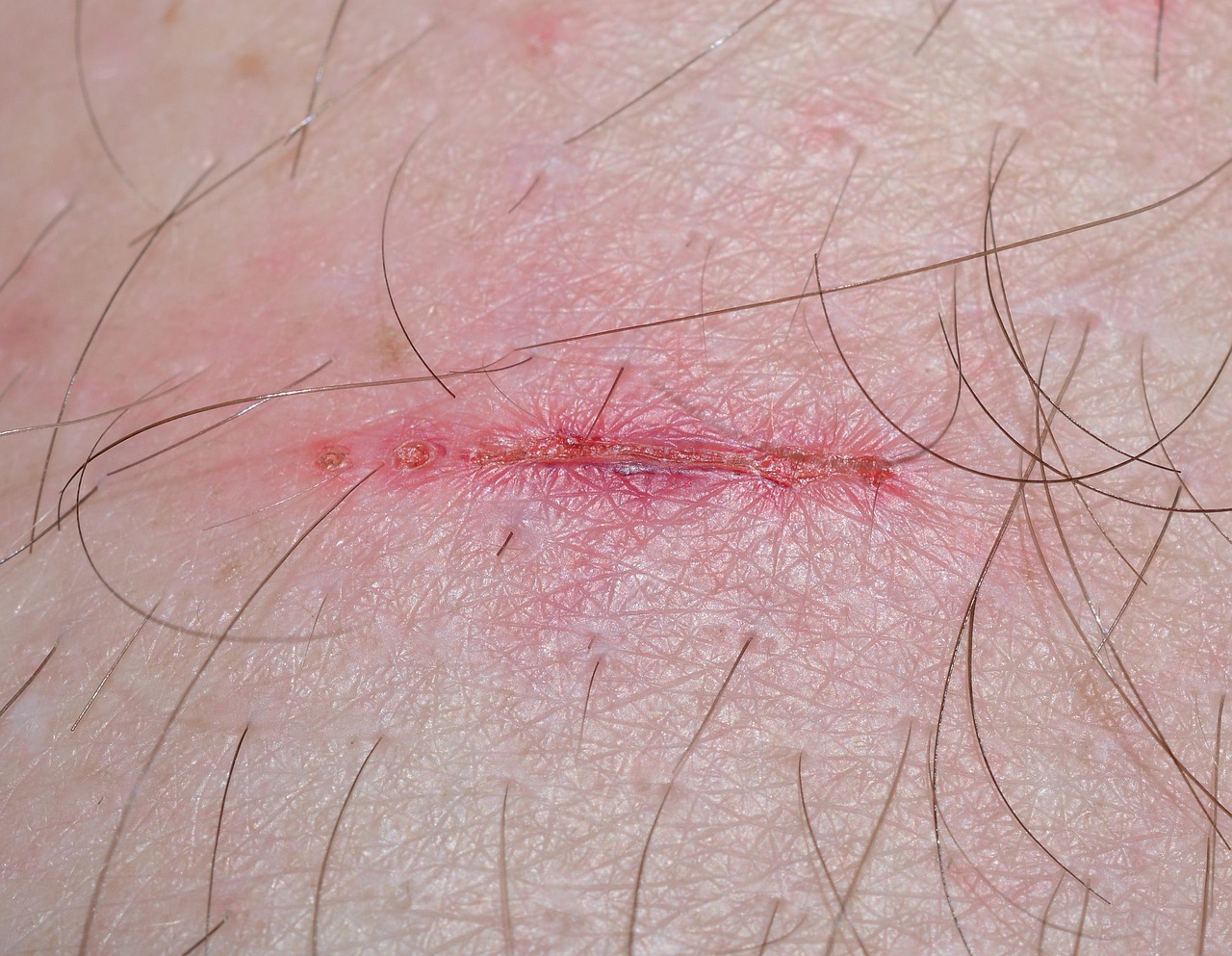

Best Practices for Preventing Infection in Cat Wounds
Proper wound cleaning is crucial to minimize infection risk in cats. The first step involves gathering essential supplies. You’ll need antiseptic solutions, sterile gauze, clean water, and tweezers. Always ensure that your hands are clean before handling your cat. Use soap and water to wash your hands thoroughly. If you have disposable gloves, they are highly recommended. Assess your cat’s wound carefully. Look for any signs of infection such as swelling, redness, and discharge. If any of these signs are present, seek veterinary advice promptly. When cleaning the wound, gently rinse it with clean water to remove debris. If dirt persists, use tweezers carefully to remove it. If irritation occurs, consider consulting your veterinarian. These steps are vital for effective cleaning. After cleaning, apply antiseptic using a sterile gauze pad. Avoid using alcohol-based products, as these can cause irritation. Instead, opt for vet-approved antiseptics. Regular monitoring of the wound is essential. Check for changes to ensure your cat remains healthy post-injury. Proper attention can significantly reduce the likelihood of infection during the healing process.
Follow-up care is key when addressing cat wounds. After cleaning the wound, it’s crucial to keep a close eye on your cat’s behavior and the wound site. Make sure your cat isn’t excessively licking or biting at the wound, as this can worsen the situation. If your cat seems to be bothering the wound, consider implementing an Elizabethan collar (cone) to prevent this behavior. This can help protect the area while **it heals**, making a significant difference in recovery. Additionally, ensure that your cat is kept in a clean environment. Avoid letting your cat roam in areas where they might get dirty or further injure themselves. Limit their outdoor access during the initial healing phase. If the wound is larger or deeper, keep your cat indoors entirely until it heals. Moreover, apply any medications prescribed by your vet according to the dosage instructions. If your cat shows no improvement within a few days, or if the wound appears worse, consult your veterinarian immediately. Early detection of potential issues can make a significant difference in treatment outcomes. Always prioritize your cat’s health and comfort throughout this process.
It’s essential to monitor for signs of infection after initial wound cleaning. Watch for symptoms such as increased swelling, discharge, or foul odor from the wound. If these symptoms appear, contact your veterinary professional without delay. They might recommend additional treatments, including antibiotics or a deeper cleaning procedure. Additionally, maintaining a regular schedule for vet check-ups can assist in early detection of issues. It’s wise to follow up with your veterinarian if there are any concerns regarding the healing process. They can provide tailored advice based on your cat’s specific situation. Informing your vet about any changes in appetite or behavior is also crucial during recovery. If your cat becomes lethargic or refuses to eat, it may indicate complications with the wound. Always keep their living space clean and free from irritants. Familiarize yourself with your cat’s behavior before and after the injury, as changes can be significant indicators of their health. Ultimately, your vigilance will help ensure a more successful recovery for your feline friend. Keeping track of their condition plays a vital role in their healing journey, reinforcing your role as a responsible pet owner.
Understanding Different Types of Cat Wounds
Recognizing the type of wound can greatly impact how you address it. Cat wounds can be classified into several categories; puncture wounds, lacerations, abrasions, and surgical wounds. Each type has specific cleaning and care needs. Puncture wounds often result from bites or sharp objects. These can be particularly prone to infection because the skin closes over deep tissue without letting in oxygen. Lacerations are cuts that can vary in depth and size, requiring careful inspection. Always seek veterinary help for deeper lacerations. Abrasions are superficial skin scrapes that typically heal well with basic care. Rinse them gently and apply a topical antiseptic as described earlier. Finally, surgical wounds are usually cleaner and need less intensive cleaning, but careful monitoring is still essential. Recognizing the specific type of wound aids in determining the necessary cleaning technique and required veterinary attention. Remember that the faster you address the issue, the better the outcome. Being knowledgeable about these types aids effective care and can make a significant difference in recovery time for your pet.
As you provide care for your cat’s wounds, using the correct cleaning solution is crucial. Discuss antiseptics with your veterinarian, emphasizing the benefits of using solutions designed specifically for pets. Many antiseptics, such as chlorhexidine or iodine-based solutions, are effective yet safe for feline use. Do not use alcohol, as it can cause significant stinging and discomfort. Before applying any product, conduct a skin test to ensure no allergic reaction occurs. It’s best to apply the antiseptic using clean gauze. Dampen it slightly and wipe the wound gently to minimize irritation. Pay attention to the cat’s reaction during this process. Ideally, you want your cat calm to facilitate the procedure. After applying antiseptic, ensure the area remains dry. A dry environment helps prevent infection, while moisture can promote bacterial growth. Follow your veterinarian’s guidelines concerning frequency and type of application. If a specific product isn’t available, consult with them for suitable alternatives. Maintaining an open line of communication with your vet fosters optimal care and prepares you to handle various situations. This informed approach ensures your pet’s swift recovery.
Environmental Considerations for Cat Recovery
The surrounding environment plays a significant role in preventing infection. Ensure your cat stays in a clean, quiet space to promote healing. Limit exposure to other pets to minimize stress and prevent additional injuries. Consider placing your cat’s bed in a low-traffic area. Keeping their space calm allows recuperation without unnecessary disruptions. Maintain a consistently clean living area by regularly washing cat bedding and sweeping or vacuuming. Avoid using harsh household cleaning chemicals around your recovering cat. Many common cleaners can be irritating and may cause stress for your pet. Opt for natural or pet-safe cleaning products. If your cat goes outdoors, monitor their activities closely during the healing process. A confined space can reduce the chance of infections from new injuries or dirt. Create a safe indoor play space with engaging toys, ensuring your cat remains active while also protecting their wound. Providing ample water and nutritious food is essential for recovery. It directly supports their immune systems. Encourage healthy eating habits by providing well-balanced, vet-recommended meals. Supporting their overall health speeds up recovery while keeping the wound safe from infection.
In conclusion, properly cleaning and caring for cat wounds is essential for preventing infections. Following best practices is crucial, and understanding your role as a pet owner directly impacts your cat’s recovery. By keeping medical supplies handy, monitoring for signs of infection, and maintaining a clean environment, you can effectively care for your feline friend. Remember, if any unexpected changes occur during recovery, do not hesitate to contact your veterinarian for guidance. Your swift reaction could save your cat from potential complications. Regular follow-up appointments and communication with your vet also play a key role. Each cat is unique, and their needs vary. Tailor your approach accordingly while being attentive to their behavior. Ensure cleanliness and proper monitoring, and you can support their healing journey in a positive manner. Empower yourself with knowledge about the various types of wounds and their care techniques. This will better prepare you for future incidents. Ultimately, your commitment to their well-being reinforces the bond you share. Always prioritize your cat’s health through proactive care, fostering a nurturing environment for your beloved pet.
Additional Resources for Cat Care
Consider seeking additional resources to further empower yourself in cat care. Numerous pet care guides, veterinary websites, and forums are dedicated to feline health and recovery. Joining a local pet owners’ community could also provide support and valuable advice. Connect with fellow pet owners to share experiences, learn from one another, and discuss common challenges. Online platforms like forums can help connect with experts who specialize in feline care, giving direct access to advice tailored to your cat’s needs. Utilize educational resources to stay informed about the best practices for your cat’s health. Watch for updates in veterinary science, as recommendations may change or improve. Consider reading books focusing on feline first aid, nutrition, and emergency care. These well-researched texts can equip you with essential knowledge that reinforces your ability to make informed decisions. Giving your cat the best care possible reflects your dedication as a responsible pet owner. Ultimately, involvement in the community and education can boost not only your knowledge but also improve your cat’s quality of life. Stay proactive about seeking information regarding their health and well-being.