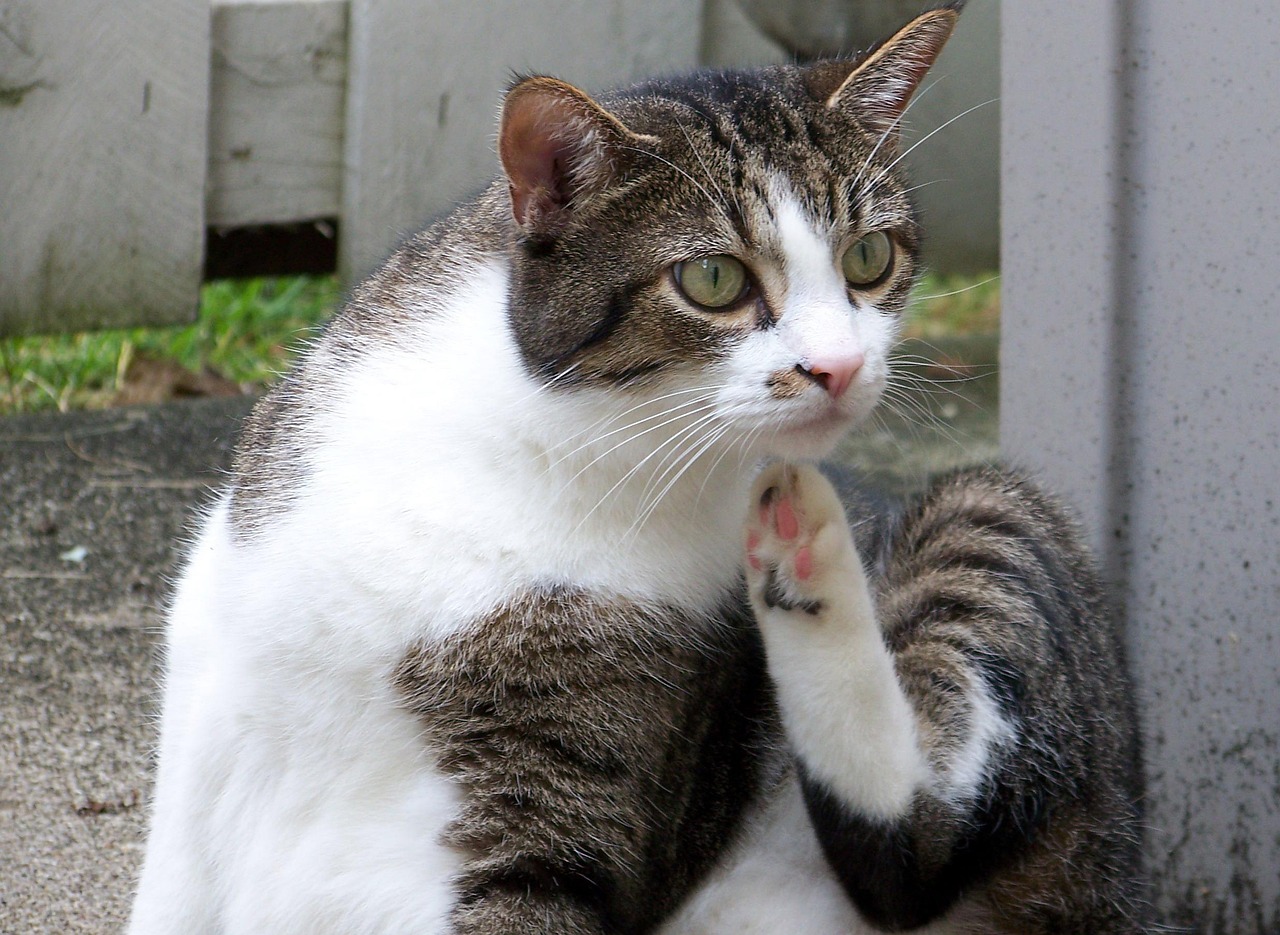

Common Mistakes Owners Make with Scratching Commands
Understanding your cat’s scratching behavior is essential for maintaining harmony in your home. Cats have natural instincts that drive them to scratch. Unfortunately, owners often make mistakes when trying to manage this behavior. One common mistake is failing to provide appropriate scratching posts. Cats need a specific surface to satisfy their instincts. Choose a scratching post that is sturdy and tall enough for your cat’s length. Providing vertical surfaces that mimic real tree bark can dramatically improve their scratching habits. Another mistake is using negative reinforcement. Yelling or punishing your cat can lead to fear and anxiety. Instead, use positive techniques like treats or praise to encourage desirable behavior. Focus on rewarding your cat when they use the scratching post. Additionally, don’t forget to place the scratching post in a visible location, as cats prefer areas where they feel comfortable and safe. A good environment will inspire them to scratch appropriately. This will prevent undesired scratching on furniture or carpets. Investing in various scratching items will also help you determine what your cat prefers. Awareness and understanding can lead to successful scratching command training.
Another frequent error is introducing new scratching accessories too quickly. Cats can be wary of changes; introducing new posts should be gradual. Initially, place the new post near their existing scratcher, so they will explore and become comfortable. Observe their initial reactions closely. If your cat ignores the new scratching post, try adding some catnip or toys nearby to entice them. Experimenting with different materials like sisal, cardboard, or carpet can also affect their interest. Furthermore, never remove their existing scratching posts until the new one is consistently used. Socializing them with the new item can also be essential. Encouraging positive exploration through treats and gentle petting can promote familiarity. Consistently rewarding the behavior is key to integrating this new scratching option into their routine. Also, remember to provide multiple scratching posts throughout your home. This allows your cat to choose their preferred scratching area. Proximity to their other favorite spots can boost usage. Maintaining a cohesive environment—free of stress—will allow your cat to feel safe and secure, ultimately leading to better adherence to scratching commands.
Ignoring Behavioral Cues
Sometimes, owners overlook crucial behavioral cues from their cats that indicate discomfort or dissatisfaction. For instance, if your cat scratches furniture, it may be a sign they are bored or anxious. Providing mental stimulation is vital. Engage your cat with interactive toys or scheduled playtimes to reduce destructive behavior. By keeping your feline friend occupied, you can redirect their need for scratching towards appropriate surfaces. Moreover, regularly assessing your cat’s state of mind and observing their existing behaviors can help identify stress factors in their environment. Changes in routine, new pets, or even moving to a new house can rattle their confidence. Understanding these triggers enables you to pinpoint corrective actions effectively. Also, Hydration and proper nutrition significantly impact your cat’s behavior; ensure they are consuming a balanced diet. Regular vet check-ups are essential to rule out any medical issues contributing to stress or anxiety. Cats are highly sensitive creatures, and stability in their environment and routine is paramount to their well-being. Failing to monitor and adapt their needs can lead to more destructive scratching behavior over time.
Another critical oversight involves neglecting regular maintenance of scratching posts. Over time, scratching surfaces wear down and become less effective in attracting the cat. Ensure your posts and pads are in good shape, regularly replacing or maintaining these items. Stripping old carpeting or changing worn materials can renew interest in scratching. Regularly shifting placements of the scratching posts might spark curiosity, encouraging your cat to explore them again. Similarly, removing any additional stressors around the area, like clutter or loud noises, can enhance their scratching experience. Consequently, they will feel more at ease with their designated area. Remember that scratching is a natural behavior. It is your responsibility as an owner to provide a conducive atmosphere for this activity. Regular maintenance and timely replacements ensure that the scratching posts remain inviting. Establish a regular cleaning routine for ongoing upkeep. An overlooked scratching post can lead to negative behaviors as your cat seeks alternative surfaces to scratch. Maintain a proactive approach to keep your cat’s instincts satisfied while preserving your home decor.
The Impact of Consistency
Consistency is vital in any training regimen, and this is especially true when teaching scratching commands. Applying the same methodology each time can build your cat’s confidence and understanding of what is acceptable. Whenever they use the scratching post, always provide positive reinforcement, such as comforting words or treats. Cats thrive on routine, and unintentional variations in approach can confuse them. A consistent effort, coupled with patience, builds a reliable framework for communication between you and your feline. Avoid switching up methods too frequently, as this may inadvertently stress your pet and lead to regression. Create a schedule that incorporates scratching throughout your routine to instill habitual usage of designated posts. Similarly, involve all family members in the training for uniformity. Everyone’s participation ensures your cat receives the same signals from all companions. This unified strategy leads to quicker behavioral changes and strengthens the bond between pets and owners. Remember that cats respond best to a structure that makes them feel secure. Invest time in establishing this foundation to promote healthy scratching habits, while minimizing conflicts and frustration in your living space.
Another mistake is failing to consider the preferences of your individual cat. Remember that each cat is unique, with distinct preferences for scraping surfaces, post height, and materials. Offering varied options ensures that your cat finds a scratching solution they love. Regularly changing the styles and positions of scratching posts might encourage exploration and interest. Failing to take their preferences into account can lead to unwanted scratching on furniture or other valuable items. Consult experts or review online resources to understand what type of scratching options typically appeal to different breeds or temperaments. Consider how your cat’s natural instincts guide their behavior and select accordingly. For some felines, horizontal surfaces might do the trick, while for others, vertical options may be essential. Tailoring your approach based on observation proves fundamental to establishing a peaceful living arrangement. Understand that scratching behavior does not stem solely from their instincts but may also reflect their emotional needs. Make adjustments based on their comfort, providing a fulfilling scratching outlet minimizes damage throughout your household.
Conclusion
In conclusion, understanding common mistakes in teaching scratching commands is pivotal for diligent cat owners. Awareness of scratching behavior and the need for environmental adaptation can promote a harmonious household. It is vital to ensure that your cat has appropriate outlets for scratching, rewarding the desired behaviors consistently and effectively. Additionally, providing options that cater to individual preferences allows for a greater likelihood of meeting their natural instincts. Regular evaluation of your cat’s emotional state is essential for addressing any potential stressors. Don’t overlook the importance of regular maintenance, both for the scratching posts and their general environment. Establishing a consistent methodology can do wonders for their understanding and comfort. Patience and understanding remain your best friends throughout this process. Remember, a well-trained cat is a happy cat! Make a commitment to adapt with your time and attention to foster positive behavior, paving the way for a peaceful living experience, free from conflict and promoting your feline friend’s well-being. With these strategies in mind, you are well-equipped to foster a balanced relationship with your cherished pet.
Maintaining a peaceful environment while addressing their needs will ultimately lead to satisfaction for both you and your furry friend. As awareness of scratching behavior deepens, remember that meticulous attention to detail can lead to delightful relationships. Successful training strikes a careful balance between guidance and autonomy, resulting in a happy home. Ultimately, you and your feline companion will develop mutual respect and understanding.