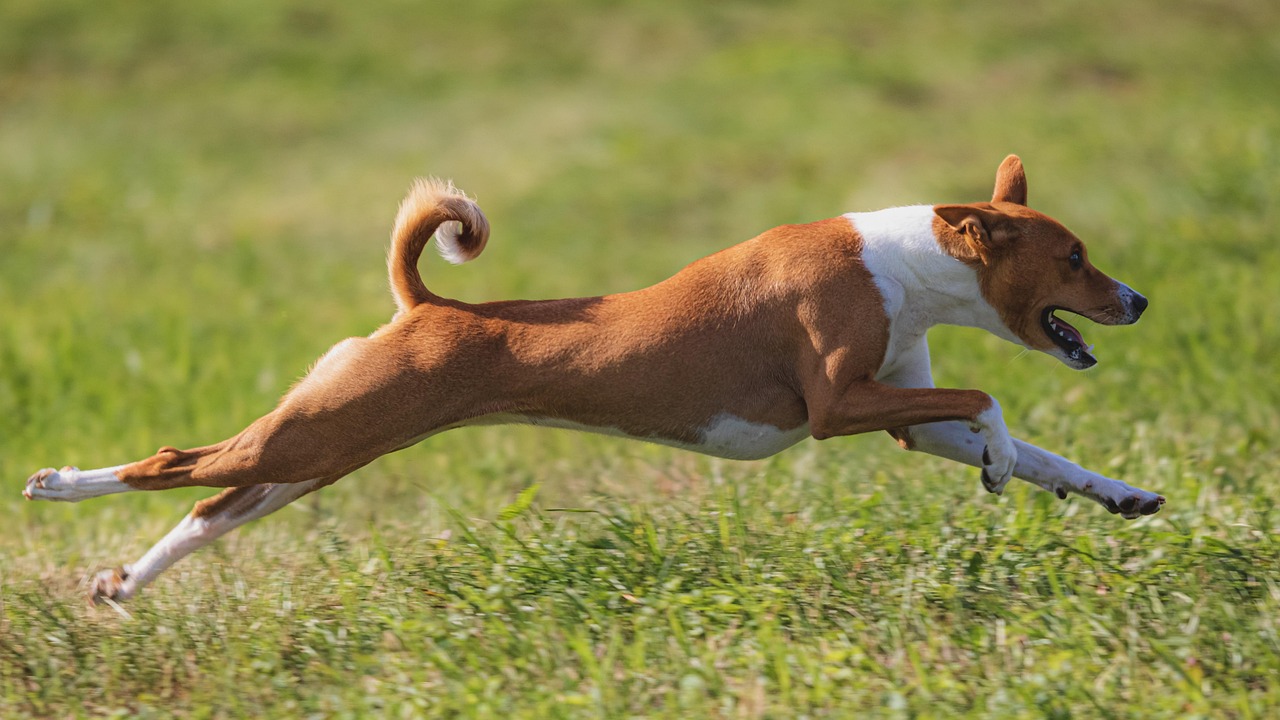

How to Choose the Best Dog Park for Your Pup
Choosing the ideal dog park for your pet can be an overwhelming task, especially with numerous options available. You’ll want to consider several factors to ensure that both you and your pup have a great experience. Start by looking at the park’s location, ensuring it’s within a reasonable distance from your home. Accessibility is vital, as you won’t want to spend too long driving. Next, consider the size and layout of the park. A large, open space is perfect for energetic dogs, while smaller parks might suit those that prefer a more controlled environment. Assess the park’s facilities, such as water stations, waste disposal bins, and seating for owners. Safety should also be your top priority; look for enclosed areas to prevent escapes. Seeing how many dogs typically attend at different times will help you gauge the park’s popularity, making sure your dog has enough playmates. Ultimately, visiting the parks will give you the most insight, as you can observe behaviors, cleanliness, and overall ambiance that make for a delightful dog-walking experience.
Once you’ve narrowed down your options, take the time to observe the park and its regulars before making a final decision. This observational phase is vital, as it allows you to evaluate how well the dogs interact and how their owners manage their pets. Look for signs of aggression or anxiety among the dogs. A positive atmosphere is essential for enjoyable visits. Also, check the rules posted at the park. Some parks require specific vaccinations, and knowing these requirements beforehand can save you any future inconvenience. It’s also worthwhile to speak with other dog owners about their experiences in the park. Their insights can provide valuable information about the community and the overall park environment. Additionally, consider the park’s maintenance and cleanliness levels. Well-kept parks are not only visually appealing but also promote better health for your pup by reducing the risk of illness. You can also search online for reviews from other pet owners on local forums and social media. This can help you narrow your choices even further based on other owners’ experiences and feedback.
Consider the Amenities
Paying attention to the amenities offered at dog parks can significantly enhance your pet’s experience. For instance, consider whether the park has separate areas for small and large dogs. This segregation ensures that smaller dogs can play without the risk of being overwhelmed by larger breeds. Look for agility equipment, such as tunnels or jumps, that provide mental stimulation and help your pup burn off extra energy. Socialization opportunities are crucial for dog development. Parks with organized events, like “yappy hours” or dog training sessions, can foster community between pet owners and their dogs. Water stations are a must, especially during hot summer months, keeping your dog hydrated while playing. Waste disposal facilities should be readily available so you can keep the area clean and safe for all dogs. Some parks even have features like benches, picnic tables, or shaded areas where owners can relax while supervising their pets. Accessibility for all pets is also valuable, so consider this if your dog has mobility issues. Such offerings ensure a more enjoyable time at the park for both you and your dog.
Another crucial aspect when choosing a dog park is its hours of operation and overall accessibility. Some parks may have restricted hours that can interfere with your schedule, especially if you work during the day. It’s important to find a park that accommodates your routine, whether it’s early mornings, after work, or weekends. Additionally, consider how safe the surrounding area is, as a well-lit and secure parking lot is essential for evening visits. Look for parks that are in safe neighborhoods and are well-maintained. This can provide peace of mind while you enjoy your time at the park with your dog. Also, evaluate whether the park has space limitations during peak hours and understand if it can accommodate your dog’s social needs. You might want to test out various times with your dog before determining the best fit. Fostering friendships with other dog owners can also help enhance your visits. A friendly community can provide networking opportunities for obtaining dog care recommendations and sharing experiences that stack up to a beneficial park experience.
Community and Social Opportunities
Another essential factor to evaluate is the community you’ll encounter at the dog park. A friendly atmosphere can greatly enhance your park visits, and the interactions you have with fellow dog owners can lead to delightful friendships. Engaging with other dog owners can provide support, tips, and guidance on dog training and care. Assess how dog owners manage their pets during playtime; responsible behaviors set a standard that everyone benefits from. Look for parks that seem to promote positive interaction among dogs and their owners. You might discover events or groups within the park community that host gatherings, playdates, or training sessions that can further build relationships. If you observe a warm environment where other owners are welcoming and respectful, this will likely translate to a great overall experience for you and your dog. When you feel part of a community, visiting the park becomes less of an obligation and more of a social outing. Additionally, your dog will benefit from regular socialization with various breeds and temperaments, which can lead to a healthier and more balanced pet.
On the other hand, if you find a dog park that seems unfriendly or poorly managed, you may want to reconsider. Negative encounters can detract from the enjoyment of your time there. Be aware of the dynamics between the dog owners; enforcing rules in the park is essential for safety and comfort. If you often see aggressive behavior, it may signify a lack of accountability among the owners, which can lead to dangerous situations. In cases like this, speaking with other regulars can provide insight into issues that may not be immediately visible. Don’t hesitate to change parks if the environment doesn’t suit your preferences. After all, the park should be a happy place for both you and your pup. Additionally, consider seasonal changes or outcomes of the local climate. A park that is great during mild weather may have challenges during harsh seasons, requiring different arrangements to make visits comfortable. Ensuring the overall suitability of the park involves observing seasonal changes and their impacts on your enjoyment.
Safety and Well-Being
Finally, always prioritize the safety and well-being of your dog when selecting a park. This means checking for adequate fencing around the play area to prevent any escapes. The fencing should be tall enough and secure, leaving no gaps. Additionally, make sure that the park is designated specifically for dogs, free of any dangerous objects or substances that could harm them. Some parks might even conduct regular health checks for dogs or require specific vaccinations, ensuring that all attending pets are healthy. Maintaining a safe park environment often relies on responsible owners as well. Arriving early or after peak hours may help you avoid chaotic situations and can create a more relaxed atmosphere. Speaking with staff, if present, can also provide reassurance about the park’s protocols and general maintenance practices. Take the time to notice how often the park is maintained and cleaned, as this reflects the commitment of the community to uphold a safe environment for all pets. Moreover, familiarizing your dog with the park environment can help build their confidence and reduce any anxiety.
In conclusion, selecting the best dog park for your pup involves careful consideration of several factors. Thinking about the location, safety, amenities, and overall community are essential in ensuring a positive experience for both you and your dog. It’s clear that socialization experiences play a significant role in your dog’s development, making regular visits beneficial. Don’t overlook the importance of the park’s environment and its impact on your pup’s behavior and training. Each park offers unique opportunities for your furry friend to mingle with other pets, ensuring enriching social interactions. As you explore various parks, take notes on your observations and pay attention to your dog’s preferences. Engaging with the local dog community can also provide additional resources and insights into various parks, helping you further refine your decision. Lastly, remember to prioritize safety and cleanliness, ensuring that both you and your dog can enjoy a positive experience together. Finding the right dog park can undoubtedly lead to countless memorable adventures, creating a wonderful routine for your furry friend. Happy park hunting!