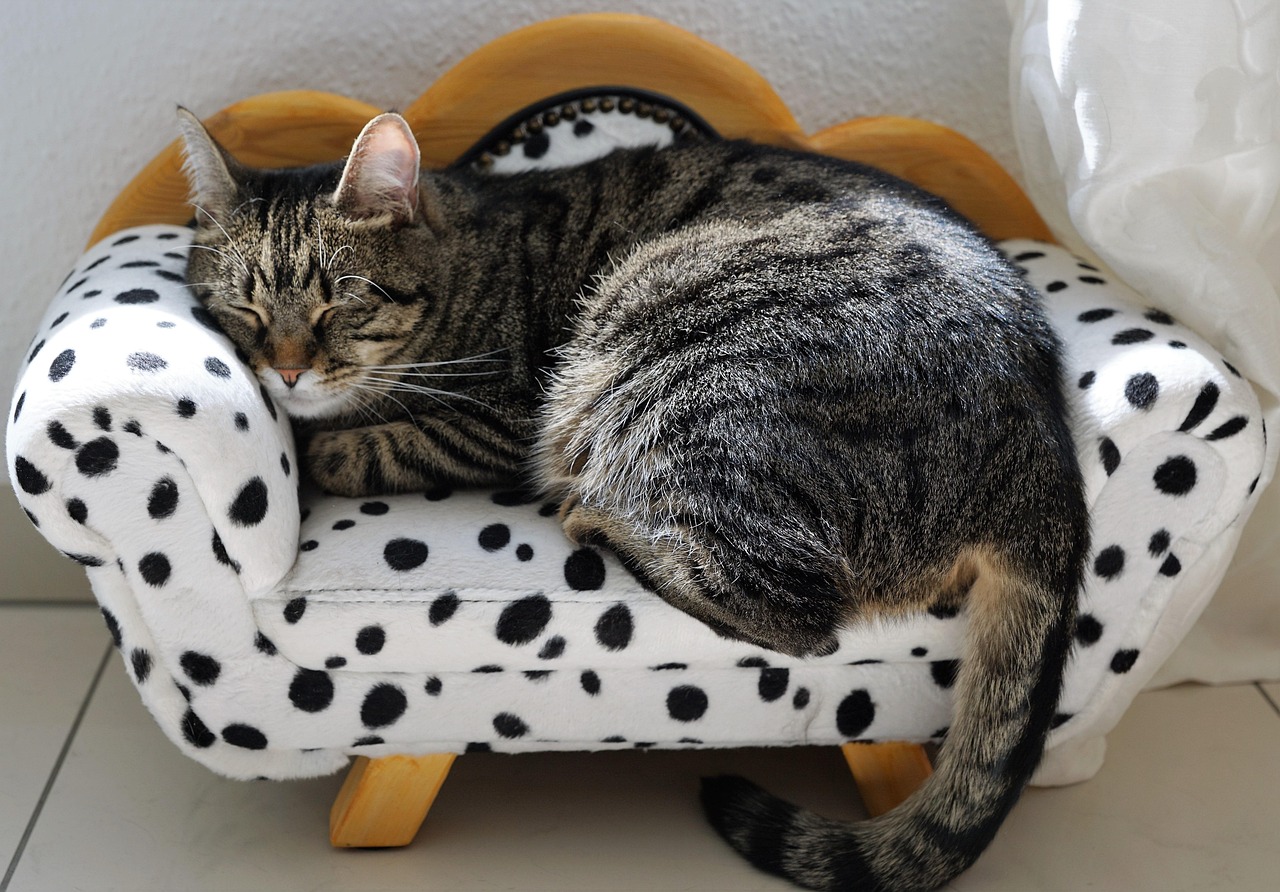

How to Create a Stress-Free Environment for Your Cat
Creating a stress-free environment for your cat is essential to their overall well-being. Cats can be sensitive creatures, and a comfortable atmosphere makes a significant difference. Begin by identifying high-traffic areas and establishing quiet zones. Designate safe spaces where your cat can retreat when they feel overwhelmed. This could include cozy cat beds, hiding spots, or favorite perches. Providing vertical space is also beneficial as it allows your cat to observe from above. Cats tend to feel more secure when they can survey their surroundings. Use soft bedding and familiar blankets to encourage relaxation. Choose a quiet, low-traffic area for feeding and litter to reduce anxiety during those activities. Additionally, maintain a consistent routine for feeding, playtime, and other activities. Predictability in daily life contributes to their comfort and security. Keep in mind that sudden changes, such as new furniture, can be stressful, so introduce changes gradually. This planned approach ensures your cat’s stress levels remain low, fostering a peaceful living space. Understanding your cat’s unique preferences and behaviors is key to creating a harmonious home for them.
One of the most vital aspects of reducing stress in your cat’s environment is eliminating loud noises and disturbances. Cats have sensitive hearing, so exposure to loud sounds can be distressful. Start by observing high-noise generators like vacuum cleaners, washing machines, or even barking dogs outside. You might want to schedule these chores when your cat is napping or away. Additionally, consider using soft background music or white noise to mask sudden sounds. This can create a calming ambiance that soothes your feline friend. Ensure that windows, doors, and vents are sealed properly to prevent outside noise intrusion. Moreover, interacting with your cat in a quiet manner can also help. Use soft, gentle tones when speaking to them and avoid sudden movements that could startle them. Create a serene atmosphere by decorating the space with plants that are cat-safe and have calming properties, like catmint. Frequent gentle play and controlled environments are both transformative forms of enrichment that reduce anxiety. A peaceful environment leads to a happier, healthier cat, enhancing your shared living experience.
Providing Safe Spaces
Safe spaces are crucial in creating a stress-free environment for your cat. Instinctively, cats seek security and privacy to feel safe. Ensure your home has plenty of these areas, such as enclosed beds, soft blankets, or cardboard boxes. Apartments or houses with multiple levels provide excellent opportunities for vertical spaces, which cats adore. Installing cat shelves can be an effective way to allow your cat to climb and explore safely. Creating a cozy hideaway can be done with simple materials like old clothes or fabrics that carry your scent. These comforting spaces help cats feel secure in their territory. When not in use, remove clutter from these areas to keep them tidy and inviting. Remember, each cat has unique preferences. Experiment with various hiding spots to discover what your feline enjoys the most. Leave a small toy or a piece of their favorite mat in these spots to encourage exploration. Gradually, you will notice your cat spending more time in these areas, reducing their anxiety as they thrive in a comfortable, secure home.
In addition to safe spaces, consider the lighting in your home environment. Cats are creatures of habit and prefer predictability, including their light exposure. Harsh or flickering lights can create discomfort, while natural light is generally more soothing. Aim to provide soft, ambient light in your cat’s favorite areas. Avoid bright, direct lights and instead opt for warm-toned bulbs when necessary. Adjusting the light levels can also help during different times of the day. For instance, dimming lights during evening hours can signal bedtime for your cat. If possible, create a space that enjoys morning sunshine, allowing them to relax and bask in warmth. When fluctuating light conditions occur naturally, like sunrise or sunset, ensure hideouts are accessible to them. This allows them to choose how much light they want in their safe spaces. You might also consider incorporating cat-safe houseplants, which can provide both comfort and a soothing environment. Ultimately, a well-lit space tailored to your cat’s preferences will support their overall mood and reduce anxiety.
Interactive Playtime
Interactive play is another fundamental approach to lessen stress and anxiety for cats. Engaging your cat in regular and stimulating play sessions not only helps reduce stress but also promotes physical and mental well-being. Use a variety of toys to keep things interesting. Feather wands, laser pointers, and balls can all provide different forms of entertainment. This diversity encourages active participation and harnesses their natural hunting instincts. Aim for at least 10 to 15 minutes of play every day, depending on your cat’s energy levels. Cats thrive on routine, so try scheduling these sessions at the same time each day. Additionally, you can sometimes introduce new toys or rotate existing ones to keep their environment fresh and stimulating. Remember, interactive play can also be an excellent bonding time for you and your cat. By engaging in this playful interaction, you foster trust and a positive relationship. A relaxed, happy cat engaged in play is more likely to feel comfortable and secure in their surroundings, ultimately leading to reduced stress and anxiety.
Grooming your cat is another essential activity that can help establish a calm environment. Regular brushing reduces loose fur and dander, helping keep your home more hygienic. Grooming also serves as a bonding experience, allowing you to check for any skin issues or lumps. Choose the right grooming tools that suit your cat’s coat type, and take time to introduce them slowly to prevent stress. Using treats during grooming sessions helps create positive associations. This pleasant experience can significantly reduce anxiety related to handling. Additionally, consider investing in calming sprays or diffusers with pheromones designed for cats. These synthetic pheromones mimic scents familiar to your cat, helping to soothe and relax them. Proper grooming rituals can also establish routines that enhance the feeling of security in your cat’s life. Always remain gentle and patient, especially with cats that are less accustomed to being touched. A calm grooming session promotes relaxation, reinforcing the notion that they are safe with you, which is a cornerstone of a stress-free environment.
Nutrition and Hydration
A balanced diet and proper hydration are vital factors that contribute to your cat’s overall health and stress management. Feed your cat high-quality food suitable for their age, weight, and dietary needs. Consult your veterinarian for recommendations that ensure they receive all necessary nutrients. Cats are also sensitive to changes in their diets, so introduce any new food gradually. Maintaining a consistent feeding schedule is equally important, as predictability can enhance your cat’s comfort. Ensure that their water bowl is always full and clean, encouraging proper hydration. Some cats prefer running water, so consider using a pet water fountain to make it more appealing. Additionally, certain supplements may help alleviate anxiety, but they should only be given under a vet’s supervision. Offering treats during positive experiences not only aids in nutrition but is also an effective way to reinforce good behavior. A well-nourished cat with accessible water sources feels more secure and content. Balancing their diet and hydration is an integral part of promoting a stress-free environment for your beloved feline friend.
Lastly, consider limiting their exposure to stressful situations, including other pets or visitors. Social dynamics can significantly affect an anxious cat, leading to increased stress. If you have multiple pets, ensure that each pet has its own space and resources to reduce competition and territorial stress. Observe your cat’s behavior towards other animals and take steps to create boundaries if needed. Introduce new pets gradually and monitor their interactions, allowing your cat to adjust at their own pace. Similarly, when guests are over, prepare a quiet room equipped with their essentials where they can retreat. Have familiar items nearby, such as toys and blankets to comfort them. Respect their needs by allowing them to choose whether to engage or observe. Additionally, you can educate visitors about your cat’s behavior to ensure they respect boundaries. Remember, every cat has its unique tolerance levels. By recognizing and accommodating your cat’s personality, you’ll foster a supportive, calm environment that promotes well-being. Ensure your feline’s comfort, happiness, and overall health thrive in an understanding and loving household.