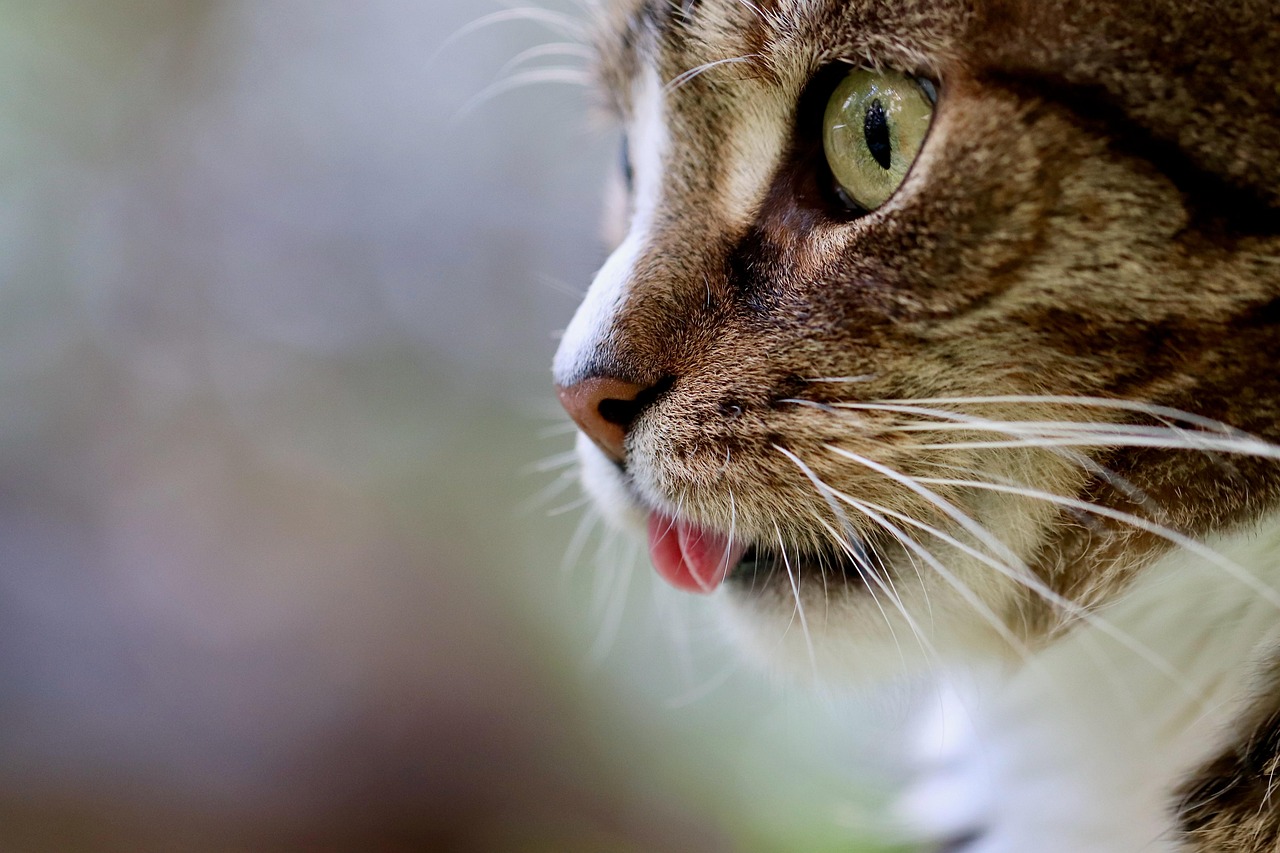

Observing Cat Social Structures in Multi-Cat Environments
Understanding cat social behavior in multi-cat households is crucial for fostering a harmonious living space. Cats, often perceived as solitary creatures, actually have intricate social structures. By observing their interactions, owners can gain insights into their personalities, forming hierarchies and establishing bonds. Different methods, such as playtime and grooming, allow cats to communicate essential social signals. These interactions can include everything from subtle body language to more overt vocalizations. As each cat has unique temperaments and preferences, identifying these traits can significantly impact their relationships. Environmental enrichment, such as providing various hiding spots and vertical spaces, encourages positive interactions among cats. When owners create optimal conditions, they enable natural behaviors to flourish. Consequently, understanding the social dynamics within a home can lead to a more peaceful coexistence. Additionally, monitoring how cats react to one another can reveal their comfort levels and potential stressors, allowing for appropriate interventions when needed. Clarity in these interactions promotes healthier relationships, demonstrating the importance of being attentive to feline social structures.
Body language is a significant aspect of feline communication, particularly in multi-cat environments. Observing how cats use their tails, ears, and posture provides valuable clues to their emotions. For example, an upright tail often indicates confidence and friendliness, while a puffed-up tail can suggest fear or aggression. Similarly, ear positioning can convey a cat’s mood; forward-facing ears indicate curiosity or interest, whereas flattened ears signal irritation or fear. Moreover, subtle shifts in body posture can indicate a cat’s willingness to engage or retreat. Owners should pay attention to these signals to interpret and manage interactions effectively. Additionally, vocalizations play a crucial role in communication; cats may meow, yowl, or purr to express a range of feelings. It’s important to note the context of these sounds, as the same vocalization may bear different meanings depending on the situation. A harmonious atmosphere is achieved when owners understand these nuances and respond accordingly. Establishing an environment that considers these aspects can greatly enhance multi-cat households, encouraging positive interactions while minimizing conflicts.
Hierarchy and Socialization
In multi-cat households, hierarchies often develop, influencing social relationships and interactions. These hierarchies can be established through various means, including age, size, temperament, and prior experiences. Typically, an alpha cat emerges, establishing itself as the most dominant. However, this does not always mean that the other cats are submissive; they may instead form their own alliances and social structures within the group. Understanding these dynamics is essential for owners to provide adequate support and resources for each cat’s well-being. Monitoring feeding behaviors and grooming rituals can offer insight into these social structures, revealing which cats share close bonds. Observing these interactions can also highlight stress or tension among the group, leading to potential behavioral issues if not addressed. It’s vital to ensure that resources such as litter boxes, scratching posts, and food bowls are plentiful to minimize competition and territorial disputes. Fostering an environment where all cats feel secure promotes positive social interactions. Therefore, understanding and respecting established hierarchies aids in ensuring a peaceful coexistence among all feline family members.
In addition to observing behaviors, introducing new cats to existing residents requires careful planning and consideration. Gradual introductions are essential to reduce stress and anxiety among the cats involved. To begin, separate the new cat from the resident cats, allowing each to acclimate to the other’s scent through shared objects like toys or bedding. This process facilitates familiarity before direct introduction. Once both parties are accustomed to each other’s presence, supervised meetings can take place in a controlled environment. Additionally, short interactions can help minimize tension, gradually increasing their time together as they grow more comfortable. Throughout this process, owners should observe each cat’s body language for signs of distress or aggression, ready to intervene if necessary. Incorporating positive reinforcement, such as treats and praise, during these interactions encourages calm behavior. This supportive approach not only aids in reducing anxiety but also helps to build positive associations. Ultimately, allowing sufficient time for the acclimatization period is crucial for ensuring a successful integration and fostering lasting friendships among multi-cat households.
Communication Through Play
Playtime serves as a vital tool for socialization among cats, especially in multi-cat environments. Engaging in interactive play fosters bonds, while also providing mental and physical stimulation. Activities such as chasing feather wands or laser pointers encourage cooperative play, allowing cats to engage in essential predatory behaviors. Through these playful interactions, cats learn boundaries and social signals, which helps them navigate their relationships effectively. Additionally, observing how cats share resources during play can indicate their comfort levels and willingness to cooperate. Owners should provide a variety of toys to cater to different preferences and encourage independent play. Not all cats have the same play styles; some may enjoy solitary activities, while others thrive in social settings. It’s important for owners to recognize these preferences and create suitable environments to meet them. Moreover, play can also be a way for cats to assert social status, with more dominant individuals often taking control of the toys. Fostering healthy play habits contributes significantly to maintaining harmony and satisfaction among multiple cats, promoting positive interactions that enrich their lives.
Understanding the significance of grooming behavior is essential in observing social structures among cats. Cats often groom one another as a means of social bonding and reassurance. This practice, known as allogrooming, plays an important role in establishing and maintaining social hierarchies within a group. Observing which cats groom each other can provide insight into their relationships; close friends typically engage in this behavior more frequently. Additionally, grooming can serve as a stress reliever, promoting relaxation and comfort among cats, thereby enhancing overall group dynamics. Furthermore, it reinforces the bonds formed within social structures, fostering trust and security among members. Notably, some cats may exhibit grooming behavior towards certain individuals while avoiding others; this can reflect the established social hierarchy. Owners should encourage grooming behavior by providing opportunities for play and affection, thus facilitating bonding experiences. Engaging in social interactions, like allowing their cats to groom them, can help create a feeling of connection. This positive reinforcement can enhance the relationships within multi-cat households, leading to greater cooperation and overall satisfaction among the group.
Conclusion: Enhancing Multi-Cat Dynamics
To create a thriving multi-cat household, understanding feline social behavior is essential. Observing communication styles, body language, and interaction patterns can enrich the relationships among cats. It’s equally important to consider each cat’s personality, as individual traits significantly influence dynamics. Owners can play an active role by fostering an environment that prioritizes resources, such as food, litter boxes, and perches. This reduces competition and ensures each cat feels secure in its territory. Encouraging socialization through shared play and grooming activities promotes healthy interactions while helping to establish relationships. Introducing new cats requires thoughtful transition plans, allowing for gradual acclimatization. Owners should remain attentive to their cats’ signals and needs throughout this process. By strengthening their understanding of social cues and dynamics, owners can navigate potential conflicts effectively while enhancing their cats’ overall well-being. This proactive approach leads to more harmonious living arrangements, showcasing the beauty of feline companionship. In conclusion, fostering healthy social behaviors among cats enriches their lives, resulting in a satisfying experience for both the felines and their owners.