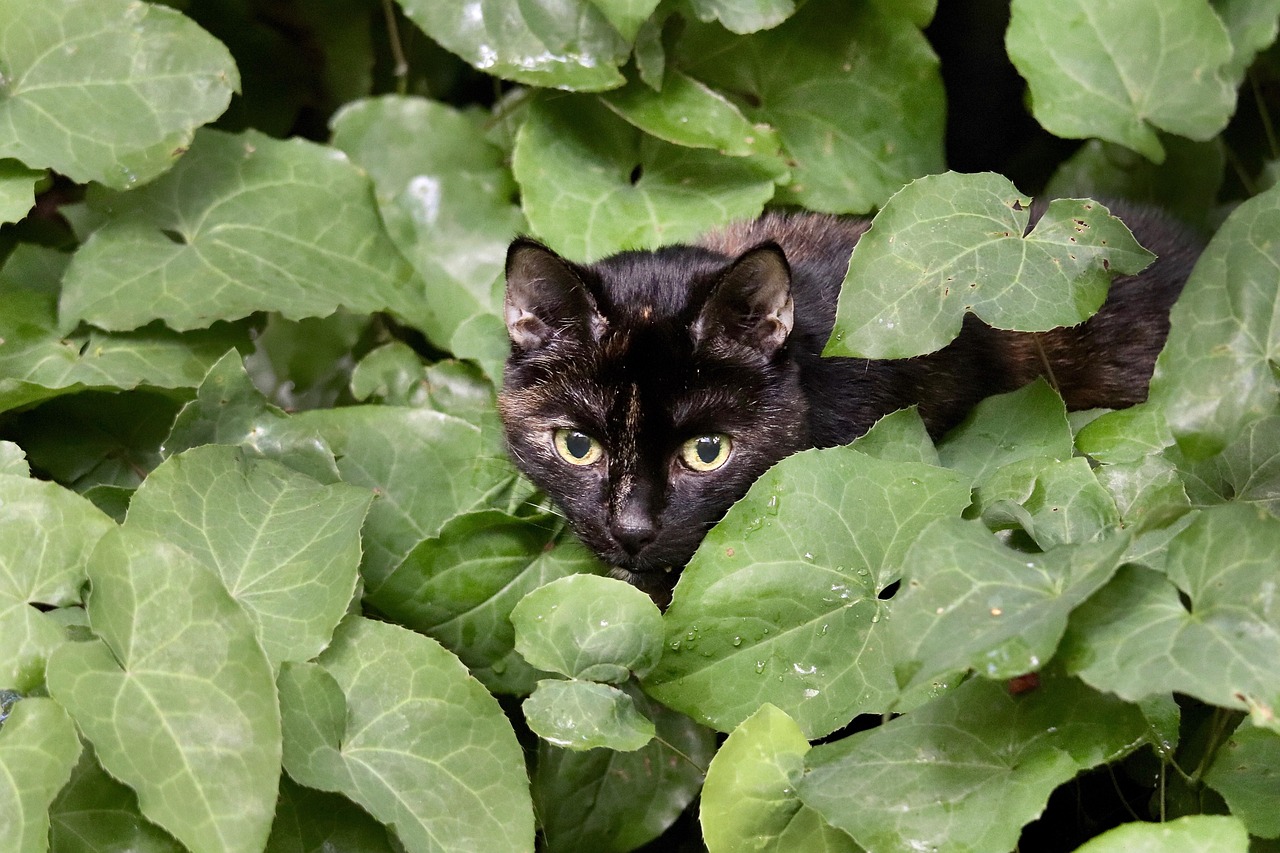

Regulations on Keeping Cats in Residential Areas
Keeping cats in residential areas involves a set of regulations designed to ensure harmony between pet owners and the community. Local laws often address issues related to noise, property damage, and public health. It’s crucial for cat owners to understand their responsibilities and ensure that their pets do not disturb neighbors. This includes ensuring that cats do not roam freely, which can lead to problems such as fighting with other animals or trespassing. Homeowners may also be required to make sure that cats are licensed and, in some cases, spayed or neutered. Furthermore, many residential areas have leash laws that apply to pets, even cats, stating that they should be supervised while outdoors. Owners are also encouraged to provide proper identification for their cats. Microchipping can be a good solution for lost pets. Understanding these regulations can help avoid penalties and foster a positive relationship with the community. First-time pet owners should consider educating themselves on appropriate ways to manage their pets while adhering to local laws that promote responsible pet ownership in residential environments.
Pet owners in residential areas must also be aware of how their cats may impact wildlife. Many communities emphasize the importance of keeping cats indoors or within specific enclosures to protect local fauna. Cats are natural hunters and can endanger birds and small mammals. This has led to numerous local authorities promoting various guidelines encouraging indoor cat living through educational programs. By keeping cats contained, owners can help maintain ecological balance, contributing positively to the local habitat. There’s growing awareness about feral cat populations and their damaging effects on ecosystems. Additionally, owners are responsible for the cleanliness associated with pet ownership. Regulations typically require that cat litter is disposed of properly to minimize unpleasant odors and health risks. Pet owners are also expected to maintain their yards and the surrounding community by cleaning up after their cats. Failure to comply with cleanliness standards can lead to complaints and potential fines. By proactively managing their cats’ behavior and care, residents can demonstrate responsibility towards both their pets and the environment they inhabit, creating a healthy, safe, and enjoyable community for all.
Health and Safety Considerations
Health regulations concerning cats in residential areas primarily focus on vaccinations and disease prevention. Cities and counties often have ordinances requiring routine veterinary visits to ensure pets receive essential vaccinations. Vaccines help prevent common feline diseases, including rabies, which is a significant public health risk. Regular check-ups are vital not only for the well-being of the pets but also for the safety of people in the community. Owners must keep vaccination records available for authorities and are often required to register their cats with a local pet licensing system. This helps ensure that every cat in the vicinity is health compliant and can be traced back to its owner if issues arise. Furthermore, spaying and neutering are often mandated to prevent overpopulation, with local governments promoting low-cost options through community programs. By adhering to such regulations, cat owners contribute to animal welfare and avoid the potential for fines or sanctions. Understanding and complying with health and safety regulations fosters a responsible approach to cat ownership, ensuring pets remain healthy while promoting community well-being and safety standards for everyone involved.
Noise control is another critical aspect of pet regulations in residential areas. Certain communities impose restrictions on pet noise to maintain a peaceful environment. This primarily applies to vocal cats, especially those prone to yowling or meowing excessively during the night. Owners are encouraged to identify and address any underlying issues causing excessive noise from their cats, such as anxiety or territorial disputes. Providing enrichment activities and toys may also help mitigate disruptive behaviors. In extreme cases, local authorities may receive complaints and investigate noise disturbances, which can lead to warnings or fines for repeat offenders. Understanding and proactively managing these behaviors ensures that cat owners can abide by community noise regulations while enjoying their pet ownership experience. Each resident plays a part in fostering a smooth living environment by taking responsibility for their pet’s activities. Engaging in community dialogues regarding pet behavior helps promote solutions and best practices, thus ensuring that ownership remains enjoyable for everyone involved. By maintaining awareness of noise control guidelines, residents can safeguard their peaceful community while fulfilling their obligations as responsible pet owners.
Community Engagement and Support
Community engagement plays a significant role in successfully navigating the regulations related to keeping cats in residential areas. Pet owners encouraged to participate in neighborhood discussions can provide insights that benefit everyone involved. Many communities host events focused on responsible pet ownership education, covering topics such as proper feeding, litter box maintenance, and safe outdoor practices. Additionally, they foster networks of support among cat owners and establish resources to share knowledge and experiences. Engaging in these programs can help strengthen connections between pet owners and non-pet owners, promoting a healthier atmosphere. Furthermore, collaborating within the community can lead to shared solutions for common issues related to pets. Establishing designated spaces for cats, such as cat parks or enclosed play areas, might significantly benefit both pet owners and non-pet owners. Leveraging social media platforms to raise awareness about responsible ownership can also help buffer tensions and foster positive dialogue. This way, communities develop proactive strategies that lessen the challenges associated with regulating pets while fostering a sense of belonging and responsibility among residents. Building bridges between cat owners and other residents ultimately strengthens community ties and creates a harmonious neighborhood for all.
Understanding the legal implications of cat ownership is vital for avoiding complications in residential areas. Local regulations often contain specific guidelines related to responsible ownership, including pet fees and liability insurance. Cat owners are often required to acquire liability insurance, protecting against potential damages caused by their pets. Understanding these legal obligations helps avoid fines and ensures compliance with local laws. Awareness of leash laws, sound ordinances, and property rights also guides responsible behaviors. If disputes arise regarding a cat’s behavior, being informed can assist owners in effectively navigating conflicts. Many communities have resident associations aimed at educating residents about pet-related laws and fostering good relations between neighbors. These associations periodically organize workshops and distribute materials clarifying community ordinances concerning pets. Participation in such initiatives provides valuable information about legal responsibilities while fostering good neighborly relations. Therefore, educating oneself on the legal responsibilities of pet ownership while staying engaged with local governance can significantly benefit cat owners. Ultimately, being responsible means respecting other residents and acknowledging that each person has a valuable role in advancing community living standards.
Conclusion: A Responsible Approach to Cat Ownership
In conclusion, navigating the regulations regarding cats in residential areas requires a conscientious approach from pet owners. Understanding local laws surrounding noise control, health regulations, and community engagement are vital to fostering a harmonious living environment. Responsible ownership extends beyond just having a pet; it encompasses maintaining a commitment to the well-being of the animals and the community. By ensuring their cats are vaccinated, contained, and well-managed, owners can contribute positively to their neighborhoods. They can also participate in initiatives promoting responsible pet ownership, forming connections with fellow residents while addressing potential issues collaboratively. Furthermore, staying organized with records such as vaccination and licensure documentation helps avoid penalties. Engaging with community programs nurtures relationships between pet owners and non-pet owners alike, promoting thoughtful discussions regarding pet-related policies. Ultimately, it comes down to respect for fellow residents and an understanding of shared responsibilities. Embracing all aspects of pet ownership cultivates a thriving community that appreciates the joys of having pets while acknowledging the importance of balancing individual rights with broader societal norms. Together, residents can create an enriching environment for their pets while fostering strong community ties.
Through mutual understanding and active participation, cat owners can pave the way for a more enjoyable living experience. Balancing pet ownership with the rights of others is a challenge, yet, when approached with care and consideration, it becomes manageable. By taking active steps, cat owners ensure a more peaceful existence in residential areas for everyone involved. This collaborative attitude is essential to establishing a nurturing environment for all. Education and awareness can transform how communities perceive pets, leading to positive relationships and fewer conflicts. As local policies evolve, owners should remain adaptable and informed, as staying current with regulations allows for smoother interactions with neighbors. By passionately advocating for responsible pet ownership within communities, cat owners can set a positive example, demonstrating that consideration for others often leads to successful coexistence. Awareness of local regulations does not only protect individual rights but also preserves community welfare. Residents can thrive together when each person prioritizes understanding and respect, fostering bonds that strengthen the neighborhood. Ultimately, creating a balanced approach to cat ownership enhances both the pet-owner experience and the unity of the community as a whole. This commitment to coexistence ensures a promising future, where pets and people harmonize.