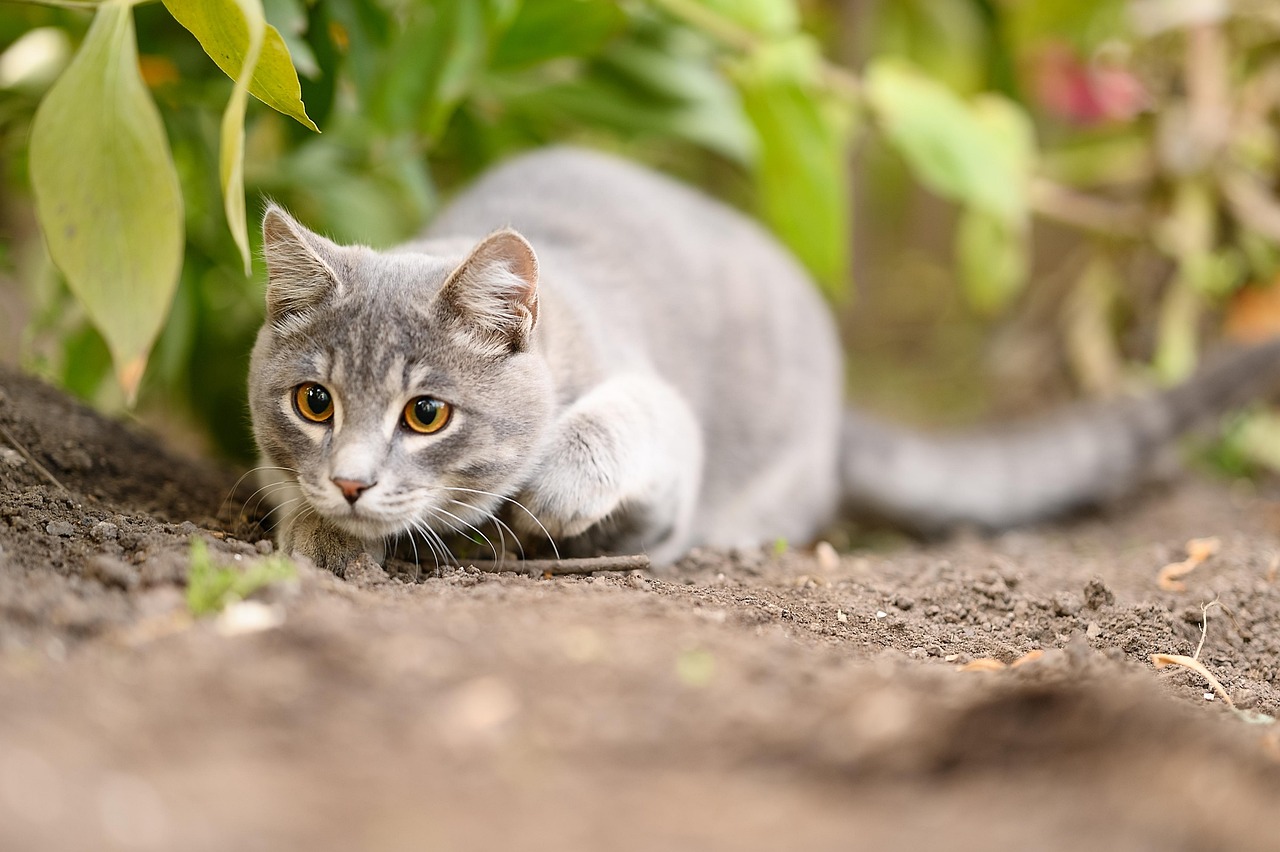

The Relationship Between Hunting Instincts and Feeding Preferences in Cats
Cats are natural hunters, and this instinct plays a crucial role in shaping their feeding behaviors. Understanding their hunting instincts allows pet owners to create a more fulfilling and healthier feeding strategy. This relationship is deeply rooted in their evolutionary history as solitary predators. Unlike pack hunters, domestic cats have retained much of their ancestral instinct to hunt alone, often targeting small prey. This preference leads them to seek out varied food textures and flavors. Observing a cat’s behavior can reveal if they prefer crunchy or soft food. Research suggests that hunting opportunities significantly influence a cat’s eating habits. Cats enjoy when their food mimics the hunt, such as small portions or scattered meals that encourage foraging behavior. Such feeding practices align with their natural instincts and can enhance their overall mental and physical health. By accommodating these instincts, you help satisfy your cat’s natural needs. It is crucial for owners to choose high-quality food that reflects these behaviors. This will ensure feeding preferences are met while maintaining their lifestyle’s health and well-being.
Understanding a cat’s feeding preferences also requires examining the varied diets they may seek in the wild. Cats are obligate carnivores, which means their bodies are designed to thrive on a meat-based diet. However, the strategical hunting methods they employ can also affect their food preferences at home. For example, cats typically hunt small rodents, birds, and insects, but they can be quite selective about what they eat. This selectiveness can carry over to their meal choices, including brand, flavor, and texture. A cat’s feeding behavior becomes influenced by what they find appealing in terms of scent or texture. This preference becomes particularly important during developmental phases. Kittens learn about food through interaction with their mother and exploration of different textures and tastes. Establishing these preferences at an early age can ensure they grow into healthy adults. Measurement of feeding behavior should consider factors like variety and complex flavors, which help mimic their natural hunting experiences. To satisfy these preferences, consider mixing high-protein food that diversifies flavors and textures in your cat’s meals, fostering greater enjoyment.
Another important aspect of cat feeding behavior lies in their need for stimulation during meals. Cats thrive when their meals incorporate both physical and mental engagement. This mimics hunting in the wild, where they must strategize and work for their food. Using food puzzles or treat-dispensing toys can enhance feeding experiences, matching their instinctual behavior closely. Providing such stimulating feeders encourages cats to engage their hunting instincts, satisfying them both physically and mentally. Additionally, varying their meal locations can create a sense of adventure. Change the feeding area and let them explore while eating, allowing freedom of choice and curiosity. Studies indicate that cats are more inclined to exhibit positive behavior and feelings when eating is integrated into their environment. Engaging their instincts promotes a sense of exploration and enables better digestion through gradual eating. Offering meals with natural hunting stimulation can significantly improve their well-being. Therefore, pet owners should focus on making feeding times fun and interactive. This approach not only satisfies their instincts but also creates stronger bonding moments between owners and pets.
Conclusion: Understanding Feeding Behavior Through Instinct
In summary, the connection between a cat’s hunting instincts and feeding preferences is both fascinating and essential for their health. By understanding their evolutionary background, owners can cater to their instincts and preferences more effectively. Creating meal scenarios that involve hunting-like behaviors can contribute to overall cat well-being. Options like scattered food, treat-stuffed toys, and having meals served in varied locations introduce excitement to their feeding routines. Additionally, being selective with the types of food can lead to a positive experience. Cats may be drawn to certain textures and flavors that remind them of their prey, encouraging them to eat more readily. Furthermore, it’s important to be mindful of their responses during feeding times. Observing body language, vocalizations, and engagement levels can provide insights into their likes and dislikes. Owners can adjust their feeding practices, ensuring dietary satisfaction tailored to their cats’ unique personalities. Understanding roughly how cats perceive food through their instinctual lens significantly enhances the feeding process.
Aside from satisfying hunger, a successful feeding approach inspired by hunting behavior can also boost a cat’s confidence. Cats are intelligent creatures, and allowing them to engage with their food promotes mental stimulation, fostering their problem-solving skills. Creating an environment where food serves as a reward after exploration establishes a sense of accomplishment. Gradually, they learn that efforts yield tasty results. This approach also combats obesity-related issues by encouraging active engagement with their meals. Observing your cat playfully interact with food options reflects a happy, well-adjusted pet. Incorporating a range of flavors and textures may lead to greater satisfaction and a more positive dining experience, ultimately enriching their lives. Understanding that feeding isn’t merely a mechanical process but a multifaceted experience illustrates the relationship between hunting instincts and feeding preferences. Enhancing feeding experiences not only provides nutritional value but ensures happy, playful behavior in your cat. By offering diverse options and engaging environments, you can create an optimum feeding strategy that respects their instincts.
Moreover, recognizing the importance of hydration in conjunction with feeding preferences is essential. Cats’ natural inclination to seek wet food mirrors hunting success, which often involves consuming blood-rich prey. When developing an appropriate diet plan, consider wet food options that provide adequate moisture content to maintain hydration levels. Including both wet and dry food can ensure a balanced diet aligning with their natural instincts. This hydrated approach not only complements their feeding preferences but also aids their entire digestive system. Encouraging water intake is vital, as cats often lack sufficient hydration, leading to potential health issues. It’s also beneficial to provide fresh water at all times and try different fountains or bowls for variety. Experimenting with different food textures can enhance the overall experience and meet their primal needs. As pet owners, understanding how hydration aligns with feeding behavior deepens one’s perspective on their cat’s health. Through analyzing food variety along with water intake, a greater appreciation for these creatures’ instinctual behaviors develops.
Optimizing Feeding Behavior for Healthier Cats
To conclude, optimizing your cat’s feeding behavior through an understanding of their hunting instincts leads to happier, healthier pets. Grounding your feeding strategies on the principles of natural feline behaviors amplifies the connection between you and your cat. A feed choice should naturally engage your pet while promoting health and vitality. Reviewing specific preferences and behaviors allows you to align their meals closely with their instincts, amplifying the enjoyment of every meal. This ensures that their vital needs are met while increasing physical and mental stimulation. Feeding not only serves to nourish but also enhances quality of life through joyful interactions. Recognizing a cat’s innate desire to hunt opens the door to new and exciting feeding opportunities. Whether it involves rearranging their feeding spaces, incorporating stimulating toys, or varying meal types, your efforts show true dedication to their health. By cultivating this understanding and adapting feeding practices accordingly, you can significantly improve your cat’s overall happiness. The relationship between hunting instincts and feeding preferences provides the pathway to a more engaged and fulfilled feline companion.
In conclusion, our understanding of feeding behavior and preferences in cats can be enhanced significantly through the lens of their hunting instincts. The intricate relationship between their evolutionary background and dietary habits illustrates the importance of respecting their inherent nature. Encouraging them to hunt for their food can transform the mundane act of eating into a thrilling adventure that taps into their instincts. By incorporating variations and choices during feeding times, owners have the opportunity to enrich their cats’ lives. Gradually catering to these needs fosters a bond of trust and affection between the pet and owner. Ensuring that the feeding strategy promotes health while respecting natural tendencies contributes to happier, well-adjusted cats. Through observation and adaptation to preferences, owners pave the way for maintaining a lifelong healthy relationship with their feline companions. This not only improves well-being but also enhances the joy of cat ownership. Ultimately, fulfilling their instincts—whether through food interaction, mental challenges, or hydration—delivers a comprehensive approach to feline care, providing a better life for your beloved pets.