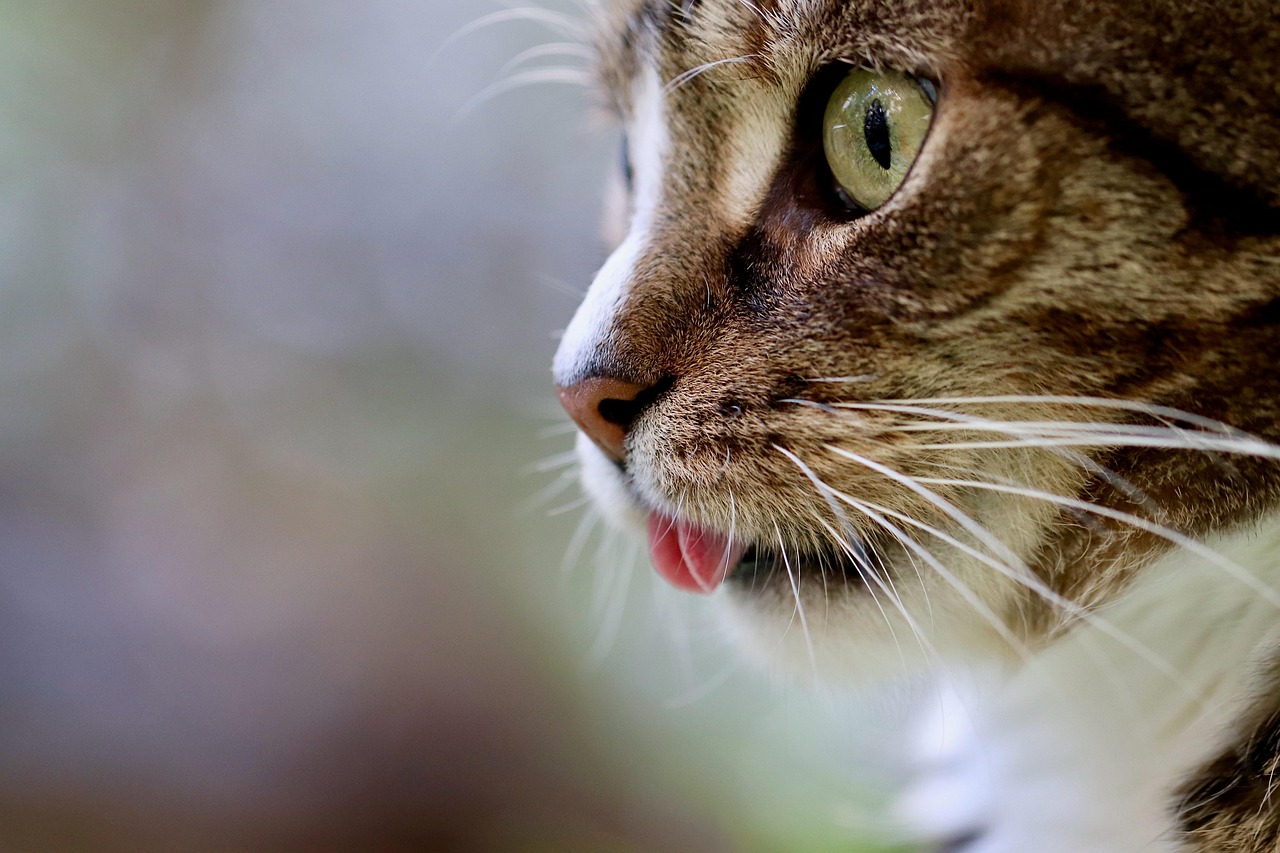

Balancing Treats with a Complete Cat Diet: Tips and Tricks
When it comes to feline nutrition, ensuring that treats complement the main diet is vital. Cats, being obligate carnivores, require a specific balance of proteins, fats, and nutrients in their daily meals. Treats can provide some variety and satisfaction, but they should never replace the essential nutrients found in high-quality cat food. According to veterinarians, a good rule of thumb is that treats should make up no more than 10% of a cat’s daily caloric intake. Remember, overindulgence in treats can lead to obesity and other health issues. It’s crucial to monitor your kitty’s weight and overall health while introducing new treats to their diet. Always choose treats that are made from high-quality ingredients, specifically tailored to cat needs. Additionally, read the labels carefully, avoiding those with excessive fillers or harmful additives. Mental stimulation is also key; break treats into smaller pieces to keep your cat engaged during snack time. Consider integrating training sessions where treats serve as rewards for desired behaviors, creating a strong bond between you and your feline friend. Overall, moderation and quality should govern treat choices.
Understanding Cat Nutritional Needs
Cats require a staggeringly precise nutritional balance for optimal health and wellbeing. Their diet must consist primarily of animal-based proteins, which foster muscle development and overall vitality. Key nutrients such as taurine, arachidonic acid, and specific vitamins must be included as cats cannot synthesize them. Home-prepared diets might lack essential nutrients, making store-bought cat foods — enriched with vitamins and minerals — a safer choice. Additionally, always be mindful of your cat’s age and health status, as dietary needs vary. Kittens require more protein for development, while senior cats benefit from diets tailored to joint health, controlling obesity, or managing chronic conditions. Proper hydration is also vital; many commercial cat foods offer moisture content that can help meet feline hydration needs. Don’t forget to consider any food allergies your cat might have when choosing treats. Rotate different treats while maintaining a balanced diet. Consult your veterinarian for personal guidance on specific nutritional needs, providing a tailored approach. By understanding these factors, you can create a diet plan that ensures your feline remains healthy, active, and happy.
The right selection of treats can play a role in enhancing your cat’s overall wellness. Treats should not only reflect a cat’s taste preferences but also contribute positively to their nutrition. Consider opting for treats with added health benefits, such as dental treats that can help reduce plaque and tartar buildup. Additionally, functional treats containing omega fatty acids promote a healthy coat and skin, while those infused with probiotics can aid digestion. Each treat’s ingredient list should be well-researched, focusing on natural components over artificial additives. Reading customer reviews and consulting breeders or veterinarians can provide valuable insights into the efficacy and popularity of particular products. You may also consider homemade treats, made from safe ingredients, ensuring they meet your cat’s dietary needs. Simple recipes with chicken or fish can delight your cat while fostering health. Use these opportunities to create personalized snacks that can reflect your cat’s tastes. Variety is key! Rotate between different treat types to prevent boredom and keep your cat excited during snack times. Always remember to maintain a balanced intake of both food and treats.
Safety Considerations for Cat Treats
Safety is paramount when it comes to selecting treats for your feline. Always check for quality assurance labels and certifications on treat packages. The best treats should be made without harmful additives, like artificial colors or excessive sodium. Ensure there are no known allergens in the ingredients, which could provoke digestive issues or allergies. Opt for brands with a good reputation for quality and manufacturing processes, and consider purchasing products that are approved by veterinary nutritionists. Whenever introducing new treats, start slowly, observing your cat for any adverse reactions or changes in behavior. Freshness is also important — expired or improperly stored treats might pose health risks. Pay attention to textures and shapes of treats, ensuring they are appropriate for your cat’s size and age. Larger or harder treats may not be suitable for kittens or seniors. If your cat readily swallows items instead of chewing, consider softer alternatives. Lastly, consult with your veterinarian about any dietary changes, especially if your cat has underlying health issues or special dietary needs. Prioritizing safety will ensure treat times are enjoyable.
Providing treats can also serve as an excellent bonding opportunity between a cat and its owner, enhancing the human-animal relationship. Utilizing treats during play or training sessions can be extremely beneficial. Positive reinforcement through treats can encourage desired behaviors, whether teaching new tricks or simply welcoming a cat to a new environment. For bonding, consider interactive toys or treat puzzles, allowing your cat to work for their reward. This not only engages their mind but also promotes physical activity, which is essential for maintaining a healthy lifestyle. Additionally, creating rituals around mealtime and treat time can provide comfort and security for cats. Cats thrive on routine; regular feeding and treat schedules establish predictable activities that can bolster their wellbeing. Keep treat times special by using emotional cues like affection, making the moments enjoyable. Understand your cat’s preferences, because not all cats are motivated by food alone. Some might prefer gentle petting or play over a treat. Be observant of your cat’s reactions and adapt your interactions accordingly to foster a nurturing relationship through treat sharing.
Final Thoughts on Treats
In conclusion, striking a balance when it comes to selecting treats for your cat is essential for their overall health and happiness. Treats should complement rather than replace their core diet of balanced cat food. As responsible pet owners, we must ensure that our choices lead to healthy lifestyles, promoting both physical and mental engagement. It is essential to maintain transparency and knowledge about our cat’s dietary needs, allowing us to make informed decisions. Emphasizing the importance of quality over quantity is the right path. Paying attention to calorie counts and ingredient sources can lead to a happier, healthier cat. Always be open to experimentation with various treat options to discover preferences and gauge reactions. Regular visits to the vet can offer further insights into nutritional adjustments and health observations. Strong bonds are built on affection, trust, and responsibility, and treats can certainly be a part of this relationship. Ultimately, a well-balanced and thoughtful approach to treats will ensure that our feline companions thrive, allowing them to enjoy long, healthy lives filled with love.
Shaping a cat’s nutrition requires conscious effort and understanding. Treats, while delightful, should be administered within a broader context of dietary health. Take time to educate yourself about feline dietary requirements and apply your knowledge to curate tasty yet healthy treats. Be mindful of the various types of treats available — some marketed as snacks can be very unhealthy. Therefore, it’s wise to prioritize options that align with health goals. Seasonal or special occasion treats can add excitement but should be compliant with nutritional values. Engage in keeping a lookout for new product releases that may offer health benefits. Also, consider that shared meals during festive occasions should be adjusted for your cat’s health requirements. Finally, don’t overlook the emotional aspects of treat time. Every treat can create delightful moments that either enhance obedience or reinforce positive habits. Regardless of treat variety, always stay informed about your cat’s health and preferences. As your understanding grows, so will your pet’s chances of living a vibrant, joyful life with you, making treats a significant element of a truly loving home.
Taking a comprehensive approach to cat nutrition allows for a joyful bonding experience. Focus on crafting an environment where your cat enjoys healthy treats. Each step — from choosing ingredients to their presentation — contributes to this care process. Treats can also be made unique during celebrations or simply to express love. Feel free to experiment with homemade options, allowing creativity while ensuring all ingredients are safe and appropriate. Use these opportunities to embed positive connections, using treats as a medium to nurture your relationship. Ensuring the diet includes enjoyable components can lead to happier cats, boosting their overall well-being, spirits, and temperament. Keep communicating with your vet for optimal health and nutrition advice, adapting as needed to ensure a delightful balance. Always remember the importance of variation in cat diets. Ensure snacks are creatively presented, whether using interactive toys or slow feeding methods. Engaging your cats during snack times fosters mental stimulation, reinforcing fun experiences. As you endeavor down this pathway of creating a nourishing diet, remember that your journey toward a healthier relationship will ultimately boost your furry friend’s happiness and longevity, leading to many joyous days together.