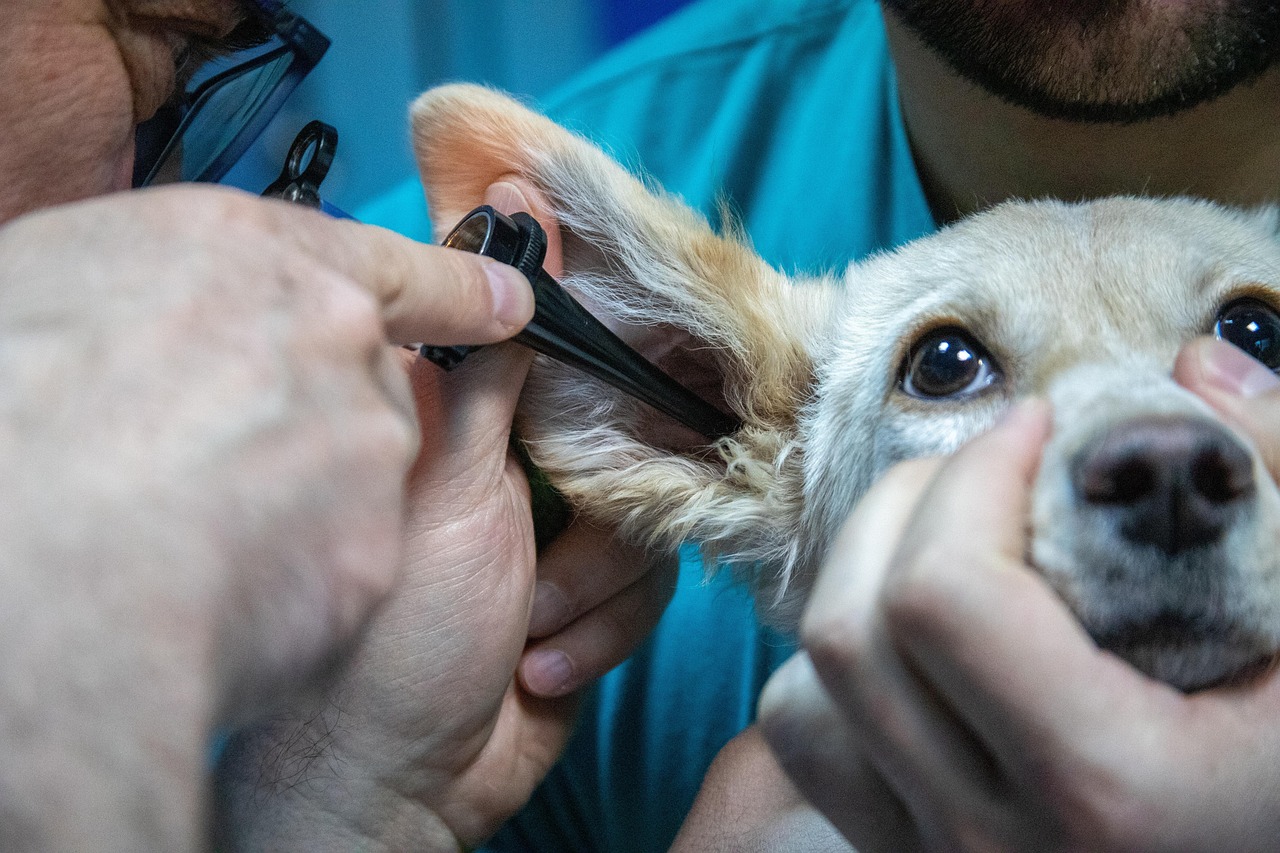

How to Identify Ear Infections in Your Dog
As a responsible dog owner, understanding ear infections is vital. Ear infections often occur when bacteria, yeast, or parasites invade your dog’s ears, leading to significant discomfort. Commonly affecting the outer, middle, or inner ear, these infections can stem from allergies, moisture, or foreign bodies. Observing your dog can help identify problems early. Dogs may shake their heads, scratch their ears, or whine if they suffer from discomfort. Pay attention to any unusual behaviors or signs of sensitivity when you touch their ears. Furthermore, regular ear maintenance can prevent such infections by removing excess wax and dirt.
To detect ear infections accurately, familiarize yourself with the typical symptoms. Affected dogs often exhibit symptoms like redness in the ear canal, foul odor, or discharge. It’s essential to check their ears frequently; a healthy ear should appear clean and free of debris. Look particularly for swelling or heat around the ear area, which may indicate inflammation. Pay attention to your dog’s overall health; ear infections can sometimes be accompanied by other issues, such as lethargy or fever. If you notice any combination of these symptoms, it is imperative to consult a veterinarian for a definitive diagnosis and treatment options.
Regular cleaning and maintenance of your dog’s ears are fundamental in preventing infections. Use veterinarian-recommended cleaning solutions to maintain ear hygiene. Generally, a mixture of vinegar and water can also be effective. Apply the solution on a cotton ball, gently wipe the inner ear, avoiding deep penetration. Rotate the cotton ball to collect moisture and debris, and always dry the area afterward. Establishing a routine cleaning schedule helps keep their ears healthy. However, do not over-clean, as it can cause irritation. If you’re unsure how to clean your dog’s ears properly, consult your veterinarian for guidance.
If you suspect your dog has an ear infection, consulting your veterinarian is essential. They will perform a thorough examination and may take a sample of ear discharge for analysis. This step is crucial to verify the cause of the infection, as it may involve bacteria, yeast, or even mites. Based on the findings, the veterinarian can recommend an appropriate treatment plan. This may include antibiotic drops, antifungal medication, or specific ear cleaners designed for treatment. Following the vet’s instructions precisely is critical for ensuring your dog’s health and preventing further infection.
Some dog breeds are more prone to ear infections, often due to their ear structure. Dogs with floppy ears like Cocker Spaniels or Basset Hounds are particularly susceptible because their ears trap moisture and debris. Always monitor these breeds closely, and maintain regular ear cleaning routines. Additionally, other factors, including allergies or swimming frequently, can increase the likelihood of ear infections. Understanding these risks will help you proactively address potential problems and keep your dog’s ears healthy. Consult your veterinarian to determine a personalized preventive care plan that best suits your dog’s needs.
Recognizing the importance of prompt treatment cannot be overstated. Untreated ear infections can lead to chronic issues, resulting in more severe health problems. Persistent infections may put your dog at risk for hearing loss. Therefore, early detection and intervention are imperative in ensuring a swift recovery. If you catch the infection early, simple treatments may suffice. However, if left lingering, it could lead to surgery or other invasive procedures. Always keep an eye on your dog’s behavior and consult the vet immediately when ear problems arise to avoid potential complications.
In conjunction with professional treatment, certain lifestyle changes may prove beneficial. Feeding your dog a balanced diet bolsters their immune system, thus reducing susceptibility to infections. Additionally, keeping their ears dry and free from swimming in stagnant water can mitigate risks. Consider investing in protective gear if your dog enjoys natural water bodies. After bathing or swimming, ensure you dry their ears promptly, reducing moisture that bacteria thrive on. By combining these strategies with proper veterinary care, you can significantly improve your dog’s ear health and overall well-being.
Ultimately, fostering a proactive approach is vital in maintaining your dog’s ear health. Regular veterinary check-ups serve as a fundamental aspect of preventive care. They afford the opportunity for early detection of potential ear issues before they escalate. Additionally, monitoring your dog’s behavior, cleaning their ears regularly, and ensuring they lead a healthy lifestyle can lower the chances of developing ear infections. By becoming vigilant and well-educated on the signs and symptoms of ear infections, you can proactively protect your dog’s ears. Stay informed, and take pride in being an attentive owner.