
How to Incorporate Exercise Games into Your Dog’s Daily Routine
Engaging your dog in regular exercise is vital for their physical and mental well-being. One effective way to do this is through various exercise games specifically designed for dogs. Not only do these games provide essential physical activity, but they also stimulate your dog’s mind and help strengthen your bond. Whether you have a high-energy breed or a calmer companion, there are games suitable for every dog. You can use simple toys such as balls, frisbees, or even household items to create an interactive play environment. Doing so keeps your dog healthy and encourages a playful spirit. Your dog will learn valuable skills, like problem-solving and recall, while having fun during these exercise sessions. Make sure to keep the sessions varied to maintain your dog’s interest. Introduce new games regularly, and adjust the difficulty level as needed. If you’re unsure where to start, consider exploring online resources or consulting with a dog trainer for valuable insights. Incorporating these games into your pet’s routine can transform mundane walks into exciting adventures they eagerly anticipate every day.
Fun and Engaging Games to Play
Several games can fit seamlessly into your dog’s exercise routine while providing ample stimulation. One popular option is the “Fetch” game, where you throw a ball or toy and your dog retrieves it. This classic game encourages your dog to run and can be played in various environments such as parks or backyards. Consider setting up an obstacle course using cones or chairs for a fun twist. You can also play “Hide and Seek,” where you hide, and your dog searches for you. This game not only aids in exercise but enhances your dog’s recall skills too. Another favorite is “Tug of War,” which is excellent for strength building. Just ensure the tug toy is safe and allows for a balanced game that avoids aggression. Some interactive toys also help develop your dog’s cognitive skills. Treat-dispensing puzzles keep your furry friend engaged mentally while being entertained. By rotating these activities from day to day, you keep your dog excited about their exercise routines and provide varied exercise, catering to both body and mind.
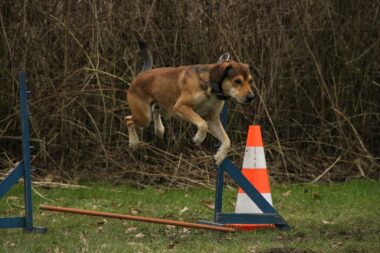
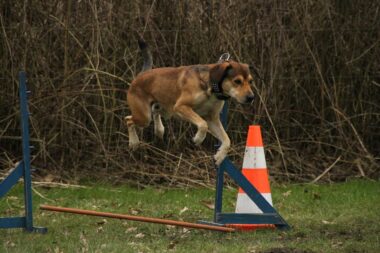
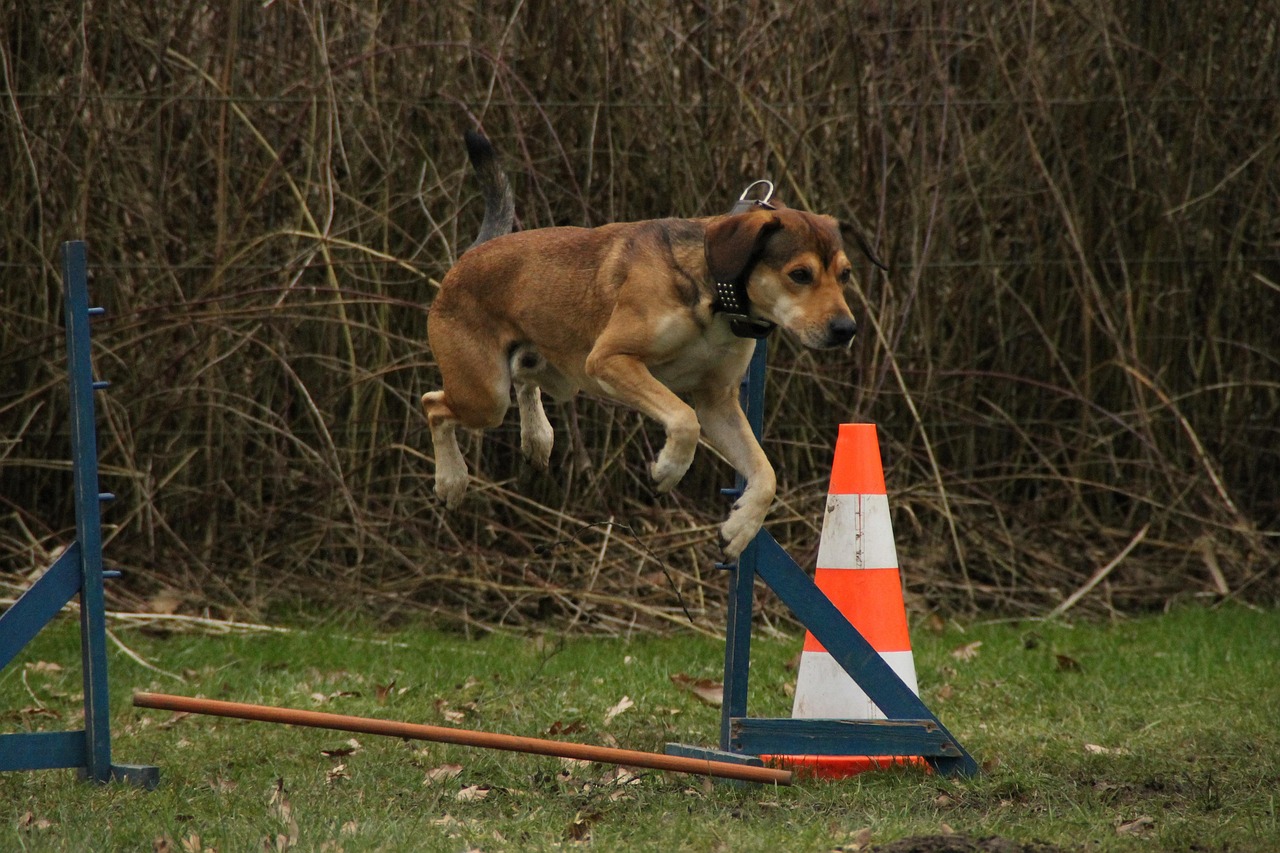
Moreover, agility training can be an excellent way to incorporate exercise games into your dog’s daily activities. Setting up a small agility course in your yard can boost your dog’s fitness while honing their skills. With items like tunnels, jumps, and weave poles, you promote not just physical exercise but also mental challenges. Training your dog to navigate these obstacles is a rewarding experience for both of you. Start with simple setups and gradually increase the difficulty as your dog develops confidence and agility. You can also join local agility classes, where your dog can interact with others, encouraging social skills. Additionally, many parks offer agility equipment for public use. It’s a fun way for your dog to engage with other dogs while exercising. Just ensure that sessions are brief yet stimulating, as over-exercise can lead to fatigue. Combine agility training with other games on different days for an exciting routine. Therefore, the incorporation of such agility exercises contributes not only to your dog’s physical strength but also to improving coordination and flexibility, forming a well-rounded exercise plan.
Making the Most of Outdoor Activities
Outdoor activities provide ample opportunities for engaging exercise games with your dog. Consider taking your furry friend on hikes, where they can explore new terrains while getting a fantastic workout. Hiking not only promotes physical exercise but also exposes your dog to different sights and smells, enhancing their sensory experiences. Be sure to choose appropriate trails suited for your dog’s age and fitness level. Always bring water and some snacks to keep both you and your pet energized. Additionally, visits to dog parks allow for unstructured playtime with other dogs, which caters to their socialization needs while promoting exercise. Throw in some frisbee games or simple ball tosses in the park for varied activities. If you have a secure yard, create a dedicated play area where you can incorporate agility or fetch games. Don’t forget to set aside daily walks, which serve as a fundamental component of your dog’s exercise routine. A combination of different exercises outdoors ensures your dog remains fit and healthy, fostering a happy, energetic canine companion while establishing a solid routine.
Adding mental stimulation to your dog’s exercise routine is crucial for a balanced approach to their health. Puzzle toys challenge their minds and can be integrated into playtime. Conceal treats within these toys to encourage your dog to think critically while playing. This combination of physical exercise and mental challenge is known to reduce behavioral issues stemming from boredom. Moreover, you can train your dog with new commands or tricks during your exercise sessions. Engaging in training reinforces discipline and obedience. Incorporating scent work is another excellent way to merge mental and physical activities. Hide treats or favorite toys around your home or yard, allowing your dog to find them using their keen sense of smell. This not only provides physical movement but also sharpens their natural instincts. Keeping sessions varied in focus and activity helps prevent monotony. Regularly incorporating these stimulating aspects into daily exercise can establish a more focused and well-mannered dog. Consistency is key to making best use of these strategies where fun meets discipline, fostering an environment of joy and learning.
Understanding Your Dog’s Needs
Recognizing your dog’s specific needs is essential when incorporating exercise games into their routine. Different breeds have varying energy levels; for instance, retrievers typically require more activity than bulldogs. Consult with your veterinarian to assess your dog’s health and fitness requirements. Understanding your dog’s age, size, and overall health can help tailor the routines better. Puppies usually have shorter bursts of energy, whereas adult dogs may sustain activity longer. Additionally, considering your dog’s favorite activities can guide you in planning the games. Some may enjoy chasing objects, while others might prefer interactive games. Focus on activities that resonate with their likes to enhance their enthusiasm. Always monitor your dog during playtime; if they show signs of fatigue or disinterest, adjust the pace or switch to another game. It’s crucial to establish a balance between exercise and rest to prevent injuries. Most importantly, making exercise a rewarding experience for your dog will foster a positive attitude towards these activities, building a routine that both you and your furry friend will enjoy.
Lastly, consistency is paramount in establishing a successful exercise game routine for your dog. Schedule dedicated playtime every day, just like you would for feeding or grooming. Maintaining a regular routine helps your dog understand what to expect, making them more eager and excited for those sessions. You can employ a reward system to reinforce positive behavior during exercise, like utilizing treats or praise. Keeping sessions to around 15-30 minutes can ensure everyone remains engaged without overexerting your dog. Regardless of your choice of games, remember that the quality of time spent together is far more important than the specific activities. Evaluate your dog’s responses and preferences; you’ll likely discover which games resonate most with them. Additionally, don’t shy away from spontaneous play, as unplanned moments can be just as fulfilling as a structured session. Consider personalizing the games to suit your dog’s unique personality and preferences. A tailored approach builds a lasting relationship filled with joy while keeping your dog active and entertained. Regularly mixing in fun, engaging exercise games will ensure your pet remains both healthy and happy.