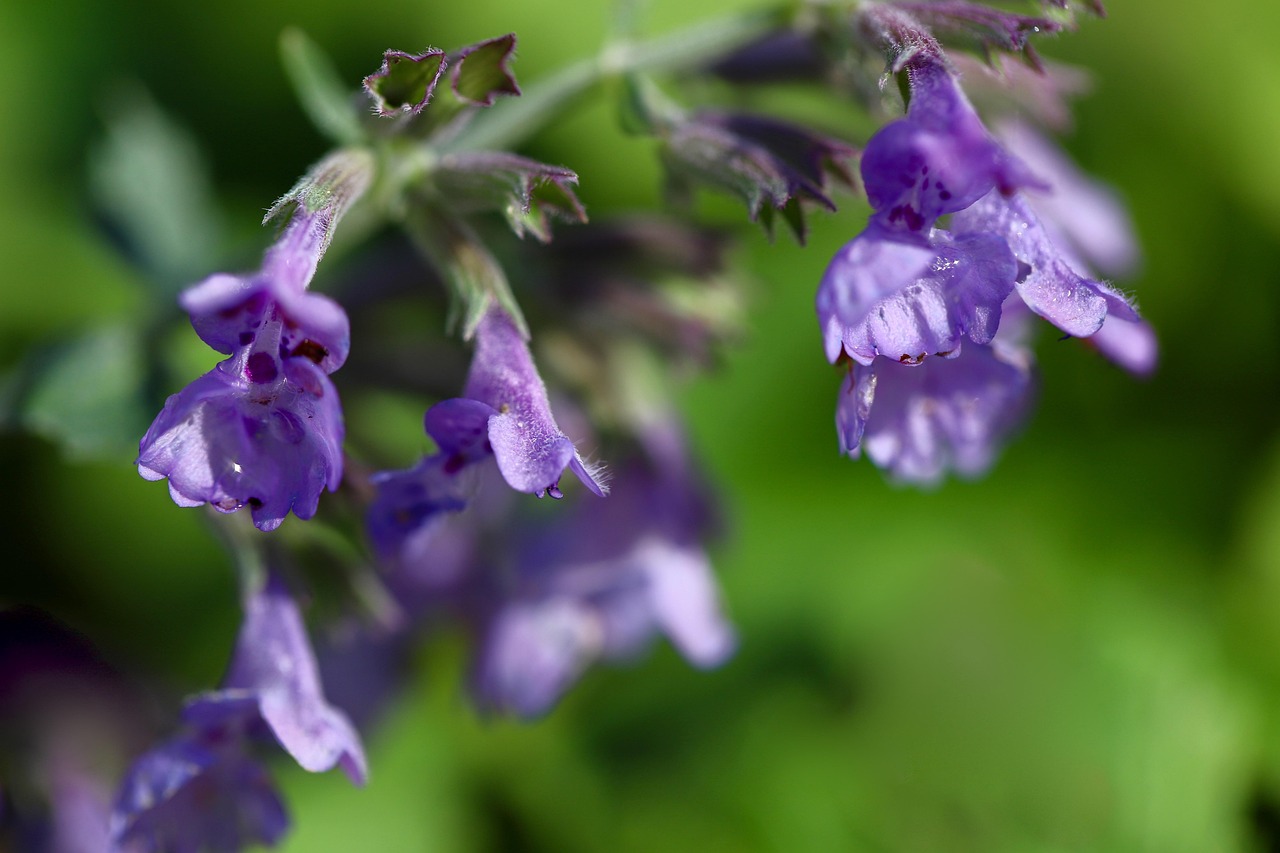

Planting Catnip and Its Benefits in Your Garden
Creating a cat-friendly garden begins with the right plants, and catnip is an excellent choice. This hardy herb not only attracts cats but also provides numerous benefits for their well-being. Catnip, scientifically known as Nepeta cataria, is a member of the mint family and contains nepetalactone. This compound is the primary reason cats are so drawn to it. In your garden, planting catnip can create a stimulating environment for your feline friend. Consider choosing a sunny spot, as catnip thrives in warm, well-drained soil. When selecting seeds or plants, look for organic options to ensure a safe experience for your cats. Moreover, catnip can deter pests like mosquitoes and moths, making your garden more enjoyable for both you and your pets. To maintain a healthy growth, regularly prune catnip plants and avoid overwatering. With careful planning and attention, you can integrate catnip into your garden, providing a natural source of entertainment for your cats. Watching your pets play in the garden can enhance your bond and encourage them to enjoy the outdoors safely, promoting overall physical health.
Moreover, besides its playful allure, catnip offers various therapeutic advantages for cats. When they come into contact with catnip, many cats exhibit playful behavior, which allows them to indulge in natural instincts. This playful interaction may include rolling, pouncing, and even gentle biting of the catnip leaves. Cats who engage in such behavior can benefit from stress relief and heightened joy. Additionally, catnip can aid in alleviating boredom in indoor cats, providing valuable stimulation for their mental health. You may even notice a temporary increase in their excitement levels when they sniff or chew on the herb. Besides the engagement and excitement it offers, catnip also has calming properties, which can help soothe anxious cats. Although not every cat responds to catnip, approximately 50-75% of felines are sensitive to its effects. This response is hereditary, so if your cat shows no interest, there’s no need to worry. It’s essential to observe your cat’s reactions to catnip, as excessive consumption can lead to temporary digestive upset. Thus, moderation is vital in cultivating your catnip garden.
Catnip can be easily incorporated into your garden by following a few straightforward guidelines. First, choose a suitable location with plenty of sunlight, ensuring the area receives at least six hours of direct light daily. This maximizes the flavor and aroma of the catnip, enhancing its effectiveness for attracting cats. When selecting soil, a well-drained, slightly sandy medium is ideal for robust growth. Catnip can be grown from seeds or purchased as small plants from garden centers. If you start from seeds, sow them in early spring for the best outcome. After planting, water it gently but do not overwater, as catnip prefers a moderate moisture level. Regularly check for weeds and pests that may invade your catnip patch. You can harvest the leaves and flowers once the plants reach a height of around 12 inches. This encourages growth and ensures your cats always have fresh catnip to enjoy. Moreover, using catnip in your garden can add a delightful fragrance that many garden enthusiasts cherish, combining beauty with practicality to enhance your pet’s environment.
Dividing and Propagating Catnip
Once you establish a thriving catnip garden, you may want to propagate it for greater abundance. Dividing your catnip plants can be a practical and efficient way to increase your supply. Early spring is the best time for division, as the plants are just beginning to grow. Digging up the entire plant allows you to split the root ball into smaller clumps. Each clump should consist of both roots and leafy material to ensure a successful transplant. Replant these divisions in new areas of your garden, or share them with friends and fellow cat lovers. Make sure to water the newly planted sections adequately to help them adjust to their new surroundings. Additionally, you can also take cuttings from the stems. Similar to division, these cuttings will root easily and promote the growth of new plants. Using these methods will give your garden a plentiful supply of catnip, ensuring your cats always have fresh herbs to enjoy. Regular pruning not only benefits your cats but also encourages the growth of new leaves and flowers.
Another aspect to consider for a cat-friendly garden is the integration of other cat-safe plants alongside catnip. A diverse garden can enhance the sensory experience for your feline while providing additional enrichment. Consider planting the following: valerian, honeysuckle, and even spider plants. Each of these species provides a unique scent and experience for cats. Valerian root is particularly enticing, often causing a similar reaction to catnip in many felines. Honeysuckle can add another dimension of playfulness, enticing cats to roll and rub against it. Furthermore, spider plants are known for their non-toxic nature, making them safe between curious paws. Include these companion plants close to your catnip patch to create an inviting environment. Keep in mind that not all herbs and plants are safe for cats, so it’s crucial to research and ensure any additions complement your cat-friendly environment. By combining these plants, you create a vibrant, engaging, and safe garden where your furry friends can explore, play, and relax, boosting their physical and emotional well-being.
Harvesting Catnip for Maximum Enjoyment
Knowing when and how to harvest your catnip correctly can enhance its benefits for your cats. Timing is essential; generally, the best time to harvest catnip is when the flowers are just beginning to bloom. At this stage, the leaves are most potent, filled with nepetalactone, which gives cats that euphoric feeling. Use sharp scissors or garden shears to cut the stems just above a pair of leaves, which encourages bushier regrowth. Once harvested, these leaves can be used in various ways. Fresh catnip can be offered directly to your pet, added to their toys for extra excitement, or even dried to preserve its potency. To dry catnip efficiently, spread the cuttings on a clean cloth in a warm, dry area, avoiding direct sunlight. Once dried, it can be stored in airtight containers to maintain freshness and uses. Providing your cat with homemade catnip toys or sprinkled leaves can lead to joyful playtime sessions that help promote healthy exercise and mental stimulation. This kind of interaction plays a key role in keeping your cats happy and engaged.
Creating a cat-friendly garden with catnip requires ongoing care and attention, ensuring that it flourishes effectively. Regularly check for signs of pests or diseases to keep your plants healthy and thriving. Applying organic fertilizers can support growth, helping plants retain vibrant and robust foliage. Moreover, remember to provide plenty of fresh water, particularly during dry spells, to ensure your catnip stays lush. Observing how your cats interact with the plants can help you understand their preferences; some may prefer the flowers, while others enjoy the stalks. Regularly checking in on your plants also allows you to discuss their reactions with fellow cat lovers or on social media, creating a sense of community. Sharing tips can allow others to learn about the benefits of having a cat-friendly garden while fostering excitement for decorating their own spaces. Ultimately, creating a sanctuary for your cats will enrich their lives, providing both stimulation and calmness in their environment. The positive experience doesn’t only benefit your cats, but it enhances the bond you share, creating cherished memories and happier moments together.