
Preparing an Emergency Kit for Cat Rescue Teams
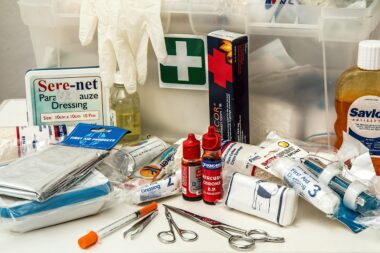
Having an effective emergency kit is essential for any cat rescue team. First, ensure to have a water supply, such as bottled water, sufficient for cats and humans alike. In emergencies, cats may refuse to drink unfamiliar water, so bringing their regular supply is vital. Additionally, keep a stock of dry and canned food catering to different dietary needs. This food should be easily digestible and the kind they are accustomed to. Don’t forget to add a can opener for the canned food. Having comfortable carriers is crucial for transport; they should be durable, easy to clean, and spacious enough for cats. Include collars and IDs, which can help in swift identification. Flea and tick treatments can save rescued cats from further discomfort. In emergencies, first aid supplies should also be included, such as bandages, antiseptics, and medications. By preparing these items in advance, rescue teams can ensure that they are ready for any situation. Protecting the health and safety of the cats is always the primary concern, and an organized kit helps in achieving this goal effectively.
In addition to the basics mentioned earlier, it’s important to have a flashlight handy for visibility during emergencies, especially at night or in dark areas. You can include extra batteries too. A multi-tool can also be beneficial because it encompasses various essential tools in one compact form. Make sure there are soft blankets and towels that can provide comfort and warmth to the rescued cats. In extreme weather situations, consider including warming pads that can help keep the animals warm. Also, include important contact information for local veterinarians and emergency services; this will streamline communication if immediate veterinary care is required. Prepare a list of local shelters and rescues as well, which can help in finding temporary housing for the cats. Having an emergency plan is also essential, covering how to transport cats safely and where to take them. Lastly, conduct regular training and refreshers for members on how to use the emergency kit effectively. Maintaining readiness and knowing what’s in the kit ensures that help can arrive promptly when it is most needed for vulnerable cats.
Safety Equipment for Cat Rescues
Safety equipment is also a key component of any emergency kit for cat rescue teams. Start with personal protective equipment, including gloves to prevent injuries and ensure hygiene. It’s also wise to include face masks to reduce the risk of transmitting any ailments between humans and animals. This is especially pertinent in high-risk environments where cats might be sick. A sturdy harness can help secure particularly skittish or difficult cats, ensuring that they remain calm and safe during transport. Also, consider adding cat traps if there’s a need for rescue operations under challenging conditions. These traps help without causing distress to the cat being rescued. Reflective vests for rescue team members can increase visibility in low-light conditions, enhancing safety. Incorporating a portable pet carrier allows for easy transport of multiple cats simultaneously, reducing time spent on the rescue. Ensure that this equipment can withstand various conditions, such as rain or adverse weather. An effective emergency kit needs to prioritize the safety of both the rescue team and the animals during crises.
Additionally, having a communication device is paramount during any emergency. Ensure to include charged mobile phones or radios enabling contact with other rescue team members and emergency services. If team members are separated, these devices will be vital in coordinating efforts. A notepad and pen can also be useful for jotting down essential observations about the rescued cats, including any apparent injuries or health issues. This information will be crucial when handling initial medical assessments at a vet. Bring along some portable tools for basic maintenance on the cat carriers, ensuring that they are functionally optimal for transport. Set up a designated area in the emergency kit for any legal documents or permissions needed for rescuing and caring for the cats. Such documents can aid in avoiding potential legal issues during rescues. Proper documentation can also facilitate communication with local authorities. Planning for various scenarios ensures that the team is not only equipped physically, but also legally. Being thorough in your preparation ensures that every conceivable factor is accounted for in rescue operations.
Hygiene and Care Supplies
Hygiene is paramount when it comes to cat rescue, thus special attention should be given to cleaning supplies in the emergency kit. Include disinfectants and sanitizers suitable for pet environments, as these will help in managing the risk of disease transmission. Additionally, disposable bags are essential for waste management, ensuring that the area remains clean and tidy during rescues. Access to proper litter and litter trays will provide a designated space for the cats to relieve themselves. This is crucial for their comfort in stressful situations. Beyond supplies, create an instruction guide for common health concerns or emergencies specific to cats. Such a guide will be invaluable for team members without veterinary backgrounds. Having a system for tracking the individual cat’s health records is essential in maintaining continuous care. Incorporate tools for grooming, such as brushes and combs, which help soothe anxious cats while aiding in their overall welfare. These small details can facilitate better management of the situation and provide reassurance to the rescues. Proper hygiene practices immensely help in creating a safe environment for both cats and their rescuers during emergencies.
Moreover, mental stimulation must not be overlooked in the organized emergency kit. Bringing along cat toys can provide crucial distractions to calm anxious cats during distressing situations. Items such as feather wands or balls can help in deploying playfulness while waiting for transfer, promoting their emotional well-being. Any sudden changes in environment can stress cats, so familiarizing them with safe toys can relieve anxiety. Consider including a portable scratching post to help them maintain a sense of normalcy. Familiar scents from home-cooked treats or familiar bedding can greatly reduce the stress associated with rescue situations. Briefly introduce the items to the cats, as the act of interacting with them can be quite calming. Having trained team members also assist with handling the situation can help ease the cats and encourage trust. Regular practice with these items helps the entire team understand their purpose and reinforces preparedness. This comprehensive kit goes beyond physical necessities by enhancing the overall rescue strategy through emotional care for the cats.
Assessing the Aftermath of Rescue
Once the initial rescue operations are complete, it is crucial for rescue teams to assess the aftermath adequately. Take some time to evaluate the effectiveness of the emergency kit and discuss any areas for improvement. Collect feedback from team members about what worked well and what did not. Analyze the condition of the rescued cats—were there any overlooked requirements? Establishing debriefing sessions after rescues can provide insights and improve future operations. Making these adjustments based on input ensures that every kit evolves with experience and time. Documentation of the specific outcomes from each rescue will help track the health and development of the cats over time. Creating a centralized record-keeping system can aid teams in sharing notes and strategies regarding various rescue scenarios. Investing time in improving post-rescue evaluations helps ensure that the mental and physical needs of the cats are met consistently. Always keep working toward enhancing the skill set of the team for better care. Building on past experiences through documentation and sharing can greatly benefit future rescues. Continuous learning is key to optimal cat rescue efforts.
The emotional toll on rescue team members also deserves attention during these evaluations. Support mechanisms can be established to help team members deal with stress and the emotional impact of rescuing cats in dire situations. This creates a compassionate environment where everyone feels valued and cared for. Holding regular team-building activities can serve as excellent outlets for emotional expression and connection among members. Sharing personal experiences during team meetings and cultivating transparency helps associate individual challenges with collective support. Recognizing the emotional endeavors involved in rescuing animals builds stronger relationships within the team. Remember that rescued cats also require aftercare support as they transition into safe environments. Collaborate with local veterinarians and shelters for follow-ups on their health post-rescue. Establishing partnerships leads to enriched outcomes in the rescued cats’ lives. The integration of all aspects—preparedness, emotional, and post-rescue care—constitutes an all-encompassing approach for effective cat rescue teams. One cannot underestimate the impact of community and teamwork in developing comprehensive emergency procedures for rescuing and rehabilitating cats in need.