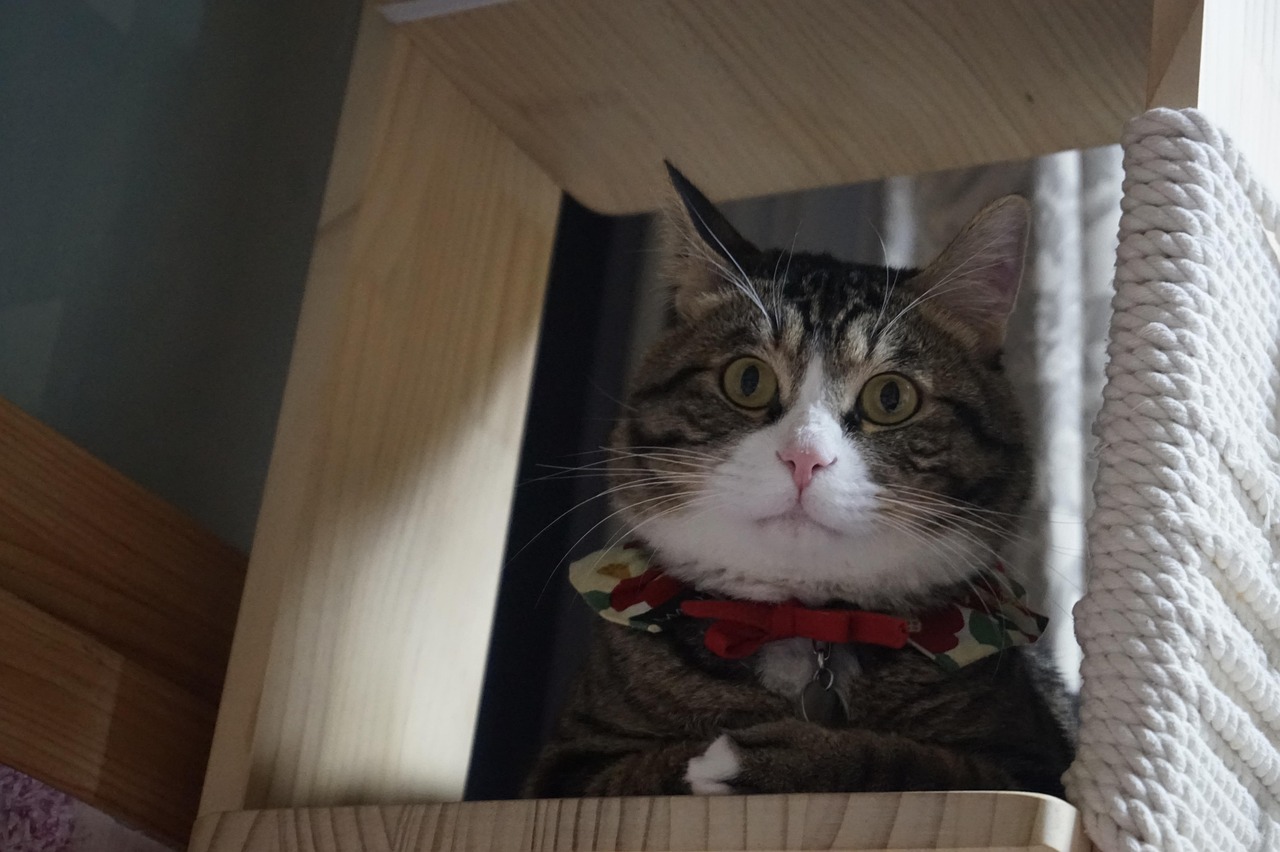

Preventing Ear Mites and Infections in Cats
Ear mites and ear infections are common problems in cats that can cause discomfort and serious health issues. Ear mites, in particular, are tiny parasites that thrive in a cat’s ear canal, feeding off skin debris and wax. They can lead to itching, inflammation, and even secondary infections. If left untreated, ear infections may develop, causing pain, swelling, and more serious complications. Regular ear cleaning can help prevent these issues. You should also be aware of the signs of ear problems, such as excessive scratching, head shaking, or foul odor from the ears. If you notice any of these symptoms, it’s essential to consult a veterinarian promptly. Your vet will provide the best guidance on how to treat and prevent ear mites and infections effectively. Ensuring your cat’s ears are clean and healthy is a crucial aspect of their overall well-being. Preventative care, including regular check-ups and maintaining a clean living environment, can go a long way in avoiding ear-related issues for your feline friend and keeping them healthy and happy.
In addition to regular cleaning, it is beneficial to choose the right cleaning products for your cat’s ears. Products specifically designed for feline use are preferable because they ensure safety and effectiveness. Many pet stores and veterinary clinics offer various ear cleansers that can safely remove debris and prevent infections. When applying an ear cleaner, it is crucial to follow the instructions provided on the packaging or by your veterinarian. Over-cleaning can lead to irritation or dryness, which might exacerbate any existing issues. Remember, the goal is to maintain a clean ear environment without causing harm or discomfort. Regular check-ups with your veterinarian can help identify any potential ear issues before they develop further. You may also consider discussing preventative medications or treatments that can help avoid ear mites altogether. It’s important to focus on creating a healthy living environment as well, including minimizing dust and allergens in the home. Incorporating these practices into your cat care routine will help keep their ears free of mites and infections, ensuring they remain comfortable and healthy.
Recognizing Symptoms of Ear Issues
Being able to recognize symptoms of ear issues in your cat is vital for early intervention. Common signs include excessive scratching around the ears, visible ear dirt, or a strong odor. You might notice your cat shaking their head frequently or tilting it to one side, which can indicate discomfort. Other symptoms may include redness or swelling of the ear canal and even discharge from the ear. If your cat displays these symptoms, it is essential to seek veterinary advice quickly. Prompt treatment can minimize discomfort and prevent further complications. Additionally, regular ear examinations by a veterinarian can help in catching problems before they worsen. Stay vigilant; observing your cat’s behavior can provide early warnings of ear problems. If ever in doubt, it is always best to err on the side of caution. Your top priority should be your cat’s health and comfort. Implementing a holistic approach to your cat’s healthcare routine will help you manage and prevent ear issues effectively, ensuring a lifetime of good health for your cherished companion, which is the ultimate goal for every responsible pet owner.
To maintain a clean environment for your cat, you should vacuum and dust your home regularly. Pet dander and dirt can exacerbate allergies and contribute to the development of ear infections. Keeping your cat’s bedding clean and dry will also play a significant role in their overall ear health. Regular grooming, including brushing your cat’s fur, reduces the buildup of allergens and irritants. Pay special attention to cleaning any items that may come into contact with their ears, such as grooming tools and bedding. You may wish to bathe your cat periodically, but it is crucial to ensure they are dried thoroughly afterwards. Additionally, be cautious regarding water exposure during baths or showers, as moisture in the ear canal can lead to infections. If bathing contributes to ear irritations, consider consulting with your veterinarian for tailored advice. Lastly, providing a stress-free environment can also contribute positively to your cat’s health. Reducing stress can enhance immunity, helping your cat ward off infections, thereby promoting a healthier lifestyle overall.
Vet Check-ups and Treatments
Regular veterinary visits are essential for maintaining your cat’s overall health, including their ear health. During these check-ups, your veterinarian will examine your cat’s ears for any signs of infection or infestations. Early detection is key to successful treatment, so do not skip routine visits. If your cat does develop an ear infection, your vet will likely prescribe topical or systemic medications to treat it effectively. Some infections may require ear cleaning and flushing to remove debris and discharge. Never attempt to treat your cat’s ear issues without professional guidance; doing so may harm your cat and possibly worsen the condition. It’s essential to strictly follow the treatment plan outlined by your veterinarian, including finishing all prescribed medications. Inform them of any changes you observe during treatment to adjust the approach as needed. Additionally, consider discussing preventative measures with your veterinarian to minimize the risk of future ear problems. Educating yourself about your cat’s health needs can empower you as a pet owner and enhance the bond you share.
One common misconception about ear cleaning is that all products used should be alcohol-based, which is not the case. Alcohol can be irritating to a cat’s sensitive ear canal and could cause more harm than good. Instead, opt for gentle, alcohol-free cleansers specifically formulated for pets. These cleaners help dissolve wax and debris without causing irritation. Always ensure you are using the correct amount; too much fluid can lead to complications. Apply the cleaner gently and follow up by massaging the base of the ear to help the solution work effectively. After applying the cleaner, allow your cat to shake its head to help clear the ear canal of debris. Following cleaning, you should also monitor the ears for any signs of ongoing irritation or infection. If symptoms persist, reach out to your veterinarian for additional assistance. Protecting your cat’s ears from infections and mites means being proactive about care and understanding their needs. Taking the time to prioritize ear health will make a notable difference in your cat’s well-being and comfort over time.
Conclusion and Best Practices
In conclusion, preventing ear mites and infections in cats requires a combination of regular cleaning, veterinary check-ups, and a healthy living environment. Understanding the signs and symptoms to watch for will enable you to act promptly if issues arise. Make ear care a priority and consider implementing habits where your cat’s ears are regularly checked as part of your grooming routine. In addition to cleaning and observing, focus on providing high-quality nutrition and overall care as these aspects directly influence your cat’s immune system. A strong immune system can help combat parasites and infections effectively. Creating a healthy atmosphere at home by reducing allergens can also significantly lower the risk of developing ear problems. Maintaining open communication with your veterinarian will provide you with insights and strategies to keep your cat’s ears healthy for years to come. Remember that a little effort in ear care now can lead to a healthier, happier cat in the long term. Encourage others around you to understand the importance of ear health in cats and share best practices. Knowledge and proactive care will result in a rewarding pet-owner experience.
Ultimately, investing time in learning about ear mites and infections in cats can yield profound benefits for your furry friend. With vigilance and proactive measures, you can significantly reduce the likelihood of these conditions developing. One of the key points is to avoid over-vaccination and adhere to a balanced approach to overall health. The answers and solutions lie in understanding your cat’s specific needs and ensuring they receive the best preventive care possible. Stay informed about the latest practices and products that support ear health in cats. Additionally, remember that each cat is unique, and what works for one may not work for another. By dedicating yourself to keeping a close eye on your cat’s ear health and consistently applying strategies to promote wellness, you contribute to their overall quality of life. Watch diligently for any changes or unexpected behaviors that could signal an ear problem. Frequent check-ins, both with yourself and your veterinarian, can ensure your cat’s long-term health and happiness. Ultimately, the love and care you provide will help safeguard your furry companion from the challenges of ear mites and infections.