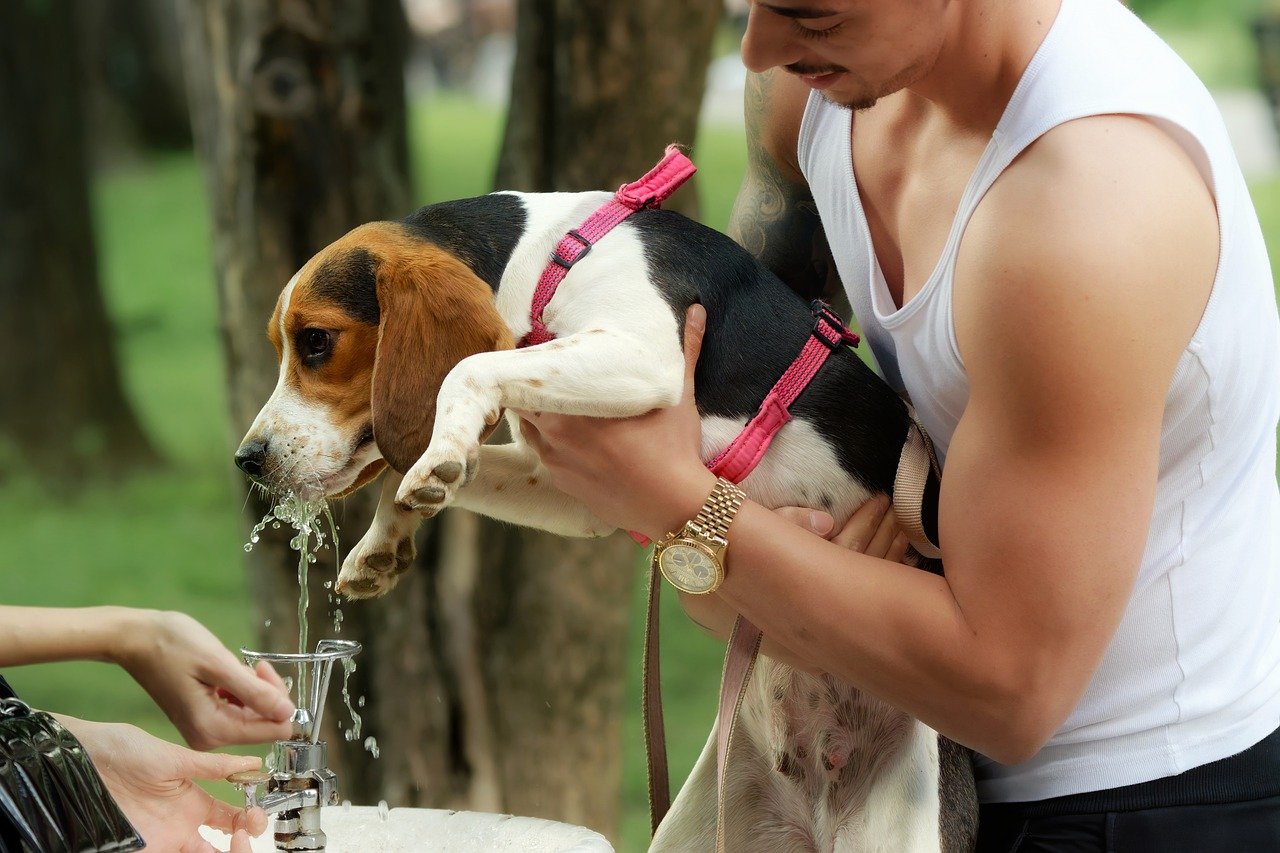

Senior Dog Hydration: When to Consult Your Veterinarian
Proper hydration is critical for the health of senior dogs, influencing their overall well-being and longevity. As dogs age, they may experience changes in their hydration needs, which could lead to various health issues if not monitored closely. With declining kidney function, they might drink less or more than their required amount. It’s crucial for pet owners to recognize signs of dehydration, such as dry gums, lethargy, and reduced skin elasticity. Keeping track of their water intake can help identify such changes early. Providing fresh, clean water at all times encourages them to drink more. You might also opt for water enhancers that make drinking more appealing. However, if you notice noticeable changes in your senior dog’s drinking habits, it may be time for a veterinary visit. Regular consultations can help determine if there are underlying health issues affecting hydration. Always consult with your veterinarian before making significant dietary changes or adding new additives to their water. Monitoring your dog’s hydration is not just a daily chore—it’s a critical part of keeping them healthy and happy.
By understanding what constitutes proper hydration for senior dogs, you can be more proactive in their care. Dogs’ hydration needs often change due to various factors like temperature, physical activity, or health conditions. For example, increased temperatures or activity can lead to higher water consumption needs. Conversely, certain medications and health issues, such as diabetes or kidney disease, may also affect their water intake. Always ensure your senior dog has easy access to fresh water throughout the day. Adding moisture to their diet, such as wet dog food or adding water to dry kibble, can significantly help with hydration levels. In addition to monitoring water intake, recognize signs of overhydration or excessive thirst, known as polydipsia. This condition may indicate underlying health problems, demanding immediate attention from a veterinarian. Schedule regular check-ups for your senior dog where your vet can assess hydration levels. This proactive approach allows for early detection of potential health issues. Ultimately, maintaining your senior dog’s hydration can improve their quality of life, leading to more joyful years with your cherished companion.
Signs That Your Senior Dog Needs Veterinary Attention
Recognizing when to consult your veterinarian about your senior dog’s hydration is crucial. Symptoms of dehydration can escalate quickly, making immediate action necessary to prevent serious health risks. Watch for signs such as persistent lethargy, loss of appetite, dry mouth, and decreased urine output. If your senior dog is excessively thirsty or frequently seeks out water, this could signal underlying health issues that require professional assessment. Rapid breathing or excessive panting can also indicate problems, especially during warm weather. Once you’ve identified these symptoms, keep a record and share this information with your veterinarian. Tracking your dog’s water intake, frequency of urination, and other related habits provides valuable insights for your vet. They may recommend tests to check for kidney function, diabetes, or other conditions contributing to abnormal drinking behavior. It’s vital to take these signs seriously and not delay seeking veterinary advice. Pairing your observations with a vet’s expertise can help maintain your senior dog’s hydration and ultimately save their life. Hydration may seem trivial, but it can have significant health repercussions if neglected for too long.
In addition to monitoring hydration, consider the role of environmental factors in your senior dog’s drinking habits. Heat can drastically increase water needs due to potential dehydration risk, particularly for older dogs. As your dog ages, their body’s ability to regulate temperature decreases, heightening their vulnerability to heat. During hot weather, consider offering more frequent water breaks and monitoring your senior dog’s water bowl. Shade and cool areas should be readily available to help them remain comfortable. Hydration can also be affected by physical activity levels; ensure you account for these while walking or exercising your dog. Always carry water with you on outings, especially during warmer weather, and encourage frequent sips. If your senior dog enjoys swimming, it’s a fun way for them to stay active and hydrated. However, watch for any signs of fatigue following these activities. While ensuring hydration is essential, do not ignore the other components of their health care routine. Regular veterinary exams will help you stay informed on their overall health and hydration status, ensuring they remain happy and vibrant.
Seeking Professional Help and Guidance
When managing your senior dog’s hydration, it’s beneficial to lean on veterinary advice for a tailored approach. Veterinarians can help you establish a hydration routine that fits your dog’s specific needs, taking into account their age, breed, weight, and medical history. Tailored recommendations may include specialized diets or hydration supplements to enhance water intake effectively. Your vet may also perform regular health checks focused on kidney function, electrolyte levels, and other parameters that can affect hydration status. Engaging with a veterinary nutritionist may also be an option, ensuring your senior dog receives optimal dietary guidance concerning hydration. Monitoring urine color can also be a daily indicator of hydration, as pale urine signifies good hydration, while dark urine indicates dehydration. Training your dog to drink from a bowl or dish that is easy to access suits with their physical limitations can encourage regular drinking. Remember, each senior dog is unique, and therefore, individualized care plans are critical. Prioritize open communication with your veterinary team to create a comprehensive health strategy targeting hydration.
As responsible pet owners, being proactive in monitoring our senior dog’s hydration needs is essential. Integrating hydration checks into your daily routine can prevent severe health issues down the line. Regular check-ins can help you spot any unusual patterns with their drinking habits. Developing a habit of visually inspecting their water bowl should be first on the agenda. Vet visits can help uncover underlying conditions and help recalibrate hydration needs based on changes in health. In addition to consulting your veterinarian, you can rely on the wealth of online resources available to educate yourself on your dog’s health issues. Consider joining dog-care communities or forums that provide informative discussions. They can offer tips on creating a suitable hydration regime tailored to your dog’s unique needs and health status. Some senior dogs may require different hydration monitoring techniques than younger ones, so continuous education and observation are vital. Remember that hydration is not simply about water intake; it is a lifestyle that impacts your senior dog’s overall health. Maintain an ongoing dialogue with your veterinarian as you make these important adjustments.
Conclusion: The Importance of Hydration Monitoring
Hydration is fundamental to the health and well-being of senior dogs and should never be underestimated. Owners who are vigilant about their dog’s hydration status can proactively support their health and potentially extend their lifespan. Ensure they have access to clean, fresh water at all times, particularly considering how their needs change with age. Encourage them to drink more by incorporating wet foods or flavorful water additives as needed. Regular veterinary check-ups and discussion of hydration as part of your senior dog’s health care plan are paramount. Also, be aware of potential signs that suggest your dog may be dehydrated or suffering from another health issue. With early detection and proper hydration monitoring, many complications can be avoided. Building a professional relationship with your veterinarian will offer reassurance and guidance. Remember that hydration is an integral part of your dog’s overall health and contributes to a higher quality of life as they age. Prioritize this crucial aspect of care during their senior years to ensure they continue to thrive and enjoy their golden days.
Proper hydration is critical for the health of senior dogs, influencing their overall well-being and longevity. As dogs age, they may experience changes in their hydration needs, which could lead to various health issues if not monitored closely. With declining kidney function, they might drink less or more than their required amount. It’s crucial for pet owners to recognize signs of dehydration, such as dry gums, lethargy, and reduced skin elasticity. Keeping track of their water intake can help identify such changes early. Providing fresh, clean water at all times encourages them to drink more. You might also opt for water enhancers that make drinking more appealing. However, if you notice noticeable changes in your senior dog’s drinking habits, it may be time for a veterinary visit. Regular consultations can help determine if there are underlying health issues affecting hydration. Always consult with your veterinarian before making significant dietary changes or adding new additives to their water. Monitoring your dog’s hydration is not just a daily chore—it’s a critical part of keeping them healthy and happy.