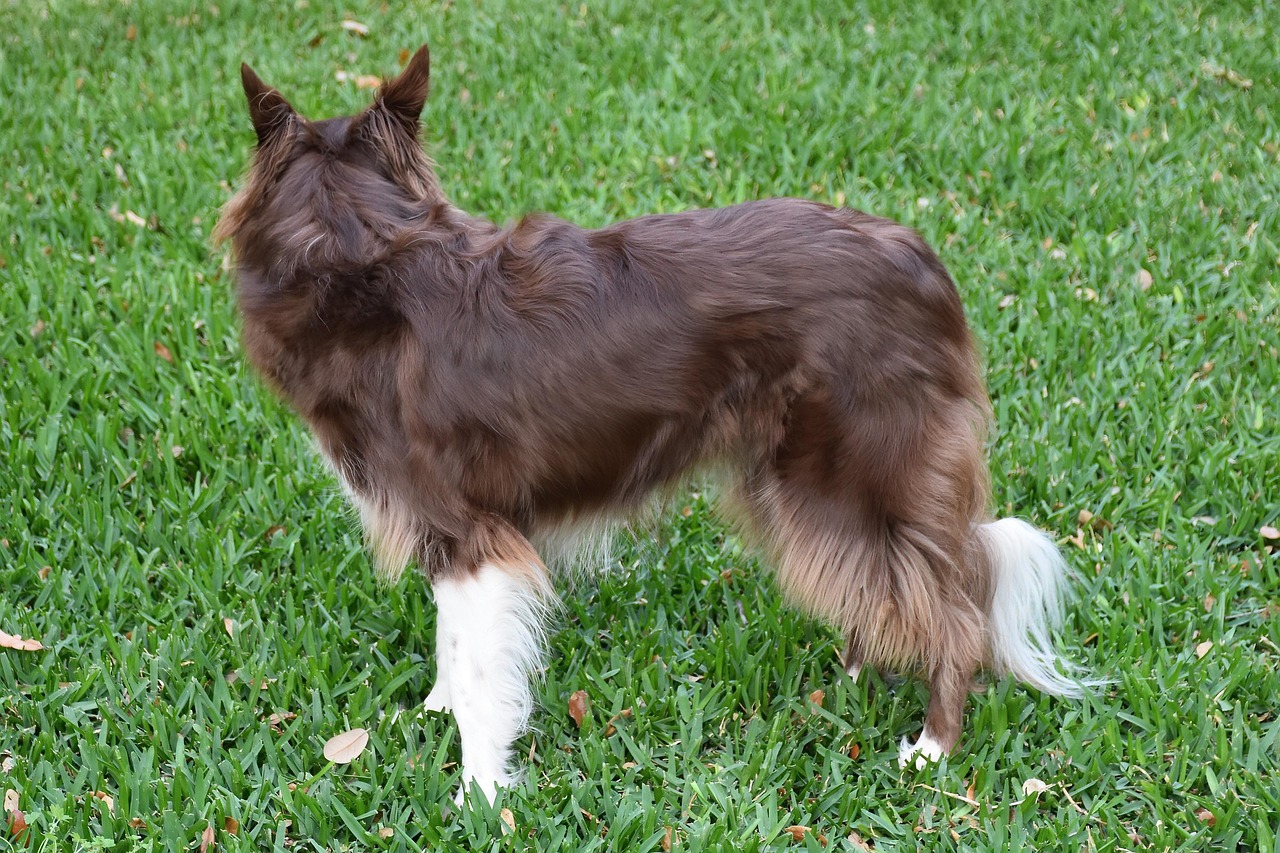

The Role of Nutrition in Your Dog’s Coat Health
Understanding the role of nutrition in maintaining a healthy coat for your dog is essential. Just like us, dogs require a balanced diet to thrive, and their skin and coat health greatly reflect the quality of their nutrition. A well-fed dog typically has a shiny, soft coat, while deficiencies may lead to dullness and shedding. Key nutrients such as proteins, fatty acids, vitamins, and minerals contribute significantly to coat vitality. Protein sources like chicken, lamb, and fish are vital for hair growth and strength. Omega fatty acids, found in fish oil or flaxseed oil, help keep the coat moisturized. It’s also crucial to include sufficient vitamins, like A, E, and B complex, to support skin and fur health. Regular vet check-ups can help determine if your dog’s diet meets their specific needs based on breed, age, and health status. Consulting a veterinary nutritionist further ensures meals align with preventing skin issues. Choosing high-quality dog food and possibly supplements can contribute positively, nurturing not just the coat but overall wellness, leading to a happier, healthier companion.
The nutritional requirements may vary based on your dog’s breed and age. Puppies, for instance, require more calories and specific nutrients to promote growth and a healthy coat. Senior dogs, on the other hand, may need diets tailored to maintain healthy skin and fur while helping manage weight. One of the keys to choosing the right dog food is reading labels carefully. Look for foods listing whole meats as first ingredients, avoiding fillers and artificial additives. Adding fresh fruits and vegetables, like carrots or blueberries, offers additional vitamins and antioxidants. Moreover, hydration plays a crucial role in skin health; always ensure your dog has access to fresh water. Dehydration can lead to dry skin and other health issues affecting coat condition. Supplements can also support coat health. Omega-3 and Omega-6 fatty acid supplements help combat dryness and flakiness. Probiotics may improve digestion, ensuring that nutrients are absorbed more effectively. Ultimately, a combination of high-quality diet, appropriate supplements, and fresh water will greatly assist in maintaining your dog’s coat and overall health.
Effects of Poor Nutrition
When dogs’ nutritional needs are unmet, various skin and coat issues may arise. Poor diet can lead to problems such as dryness, itchiness, and excessive shedding. For example, a lack of essential fatty acids often manifests in dry, flaky skin prone to irritation. Furthermore, vitamin deficiencies may weaken the coat structure, causing hair to become brittle and break easily. Allergies are also exacerbated by improper nutrition; inadequate diets may increase sensitivity to certain ingredients, leading to dermatitis and hair loss. Yeast infections or bacterial growth are more prevalent when the dog’s immune system is compromised due to poor nutrition. Additionally, low-quality commercial foods often contain ingredients that do not promote skin and coat health, leading to dull fur and unhealthy skin. Investing in high-quality pet food, specifically formulated for your dog’s breed and age, mitigates these risks. Identifying allergens in your dog’s diet can eliminate lingering coat issues as well. Nutritional changes should always be gradual, ensuring that your dog’s digestive system adapts effectively to new foods. Prompt attention to poor dietary habits can prevent significant health deterioration for your furry friend.
Moreover, regular grooming complements nutritional efforts, contributing to skin and coat health. Brushing your dog not only removes dead hair but also distributes natural oils across the coat. This action enhances the coat’s shine and prevents matting, particularly in breeds with longer fur. Dogs requiring frequent grooming, such as Poodles or Shih Tzus, benefit significantly from consistent maintenance. Bathing should be done appropriately; using a gentle dog shampoo prevents stripping natural oils from their skin. After bathing, it is crucial to thoroughly dry the coat to prevent skin infections. Healthy grooming practices combined with proper nutrition create synergy, fostering optimal coat condition. Visiting a professional groomer occasionally provides additional expertise, ensuring your dog’s coat receives specialized attention. Incorporating natural supplements, like coconut oil, can further enhance the grooming routine. Regular check-ups with the veterinarian can catch early signs of nutritional deficiency or skin problems, allowing for timely interventions. Additionally, fostering an overall healthy lifestyle, inclusive of exercise and routine vet visits, supports a strong immune system, which is essential for maintaining skin and coat health. Thus, grooming should not be overlooked in your dog’s overall health regimen.
Supplements That Foster Healthy Coats
Incorporating specific supplements into your dog’s diet can significantly promote coat health. Omega-3 and Omega-6 fatty acids are known for their ability to enhance coat luster, reduce shedding, and alleviate skin irritations. Fish oil is one of the most common supplements among dog owners, known for its anti-inflammatory properties. When selecting supplements, always consult with your veterinarian to ensure suitability for your dog’s unique needs. Vitamin E also benefits skin health, acting as an antioxidant that helps repair skin tissue. Additionally, biotin and other B-vitamins promote hair growth and prevent excessive hair loss, bolstering the overall coat condition. Zinc supplementation aids in skin health, particularly for dogs prone to dry skin. Probiotics can be beneficial as well, supporting digestive health, which plays a crucial role in nutrient absorption. Understanding and monitoring your dog’s dietary intake allows you to adjust supplements accordingly. Keeping an eye on coat condition and consulting professionals can help determine appropriate types and amounts of supplements. Tailoring your dog’s nutrition through both diet and supplementation ultimately contributes to a vibrant, healthy coat.
Environmental factors also play a crucial role in maintaining a healthy coat. Seasonal changes can cause shedding patterns to change, requiring adjustments in grooming and nutrition. Many dog owners notice increased shedding during spring and fall, indicating the need for more frequent brushing to remove loose hair. Weather conditions, such as hot summers or cold winters, can affect skin health as well. During winters, dry air can lead to moisture loss from the skin, necessitating additional Omega fatty acid intake. Conversely, during summer, proper hydration becomes vital, ensuring your dog does not suffer from dry skin or coat. Allergens in the environment, such as pollen or dust, can also irritate the skin and aggravate coat health. Bathing after exposure to such allergens can alleviate discomfort, while recognizing and mitigating exposure can support coat integrity. Creating a comfortable living environment that minimizes stress will also have a positive impact on coat health. A properly cared-for coat not only looks good but also contributes to your dog’s overall well-being, enhancing their quality of life and happiness.
Conclusion: Commit to Your Dog’s Coat Health
Ultimately, committing to your dog’s nutritional needs encompasses evaluating their diet, grooming habits, and overall well-being. A balanced diet rich in proteins, fats, vitamins, and minerals fosters a beautiful, healthy coat. Regular veterinary consultations and timely vaccinations should not be overlooked as they play pivotal roles in maintaining a dog’s health. Moreover, recognizing the signs of skin or coat issues early is tremendously beneficial. Improved skin health is often a direct reflection of an improved diet. Ensure you are providing high-quality dog food appropriate for your dog’s breed and lifestyle. Supplements might be considered as part of your efforts to promote skin and coat health, but only after consulting a veterinarian. Remember the significance of hydration and a comfortable living environment in your pet’s life. Establish grooming routines that are suitable for your dog’s coat type, potentially working with professionals when necessary. By prioritizing these elements, you will contribute positively to your dog’s happiness and longevity. A healthy coat is not merely aesthetic; it reflects your dog’s overall health, ensuring they live a long, fulfilling life.
In summary, nutrition profoundly influences your dog’s skin and coat health, representing a significant commitment to their overall wellness. Keeping a close eye on your dog’s dietary habits, grooming routines, and environmental factors ensures transparency in recognizing changes. Combining quality food, supplemented tailored diets, and proper grooming maximizes the chances of your dog enjoying a robust, shiny coat. Always remember that your dog relies on you to provide the best, making informed decisions vital to their health. Listening to professional guidance supports your efforts, enhancing your understanding of your dog’s unique needs.