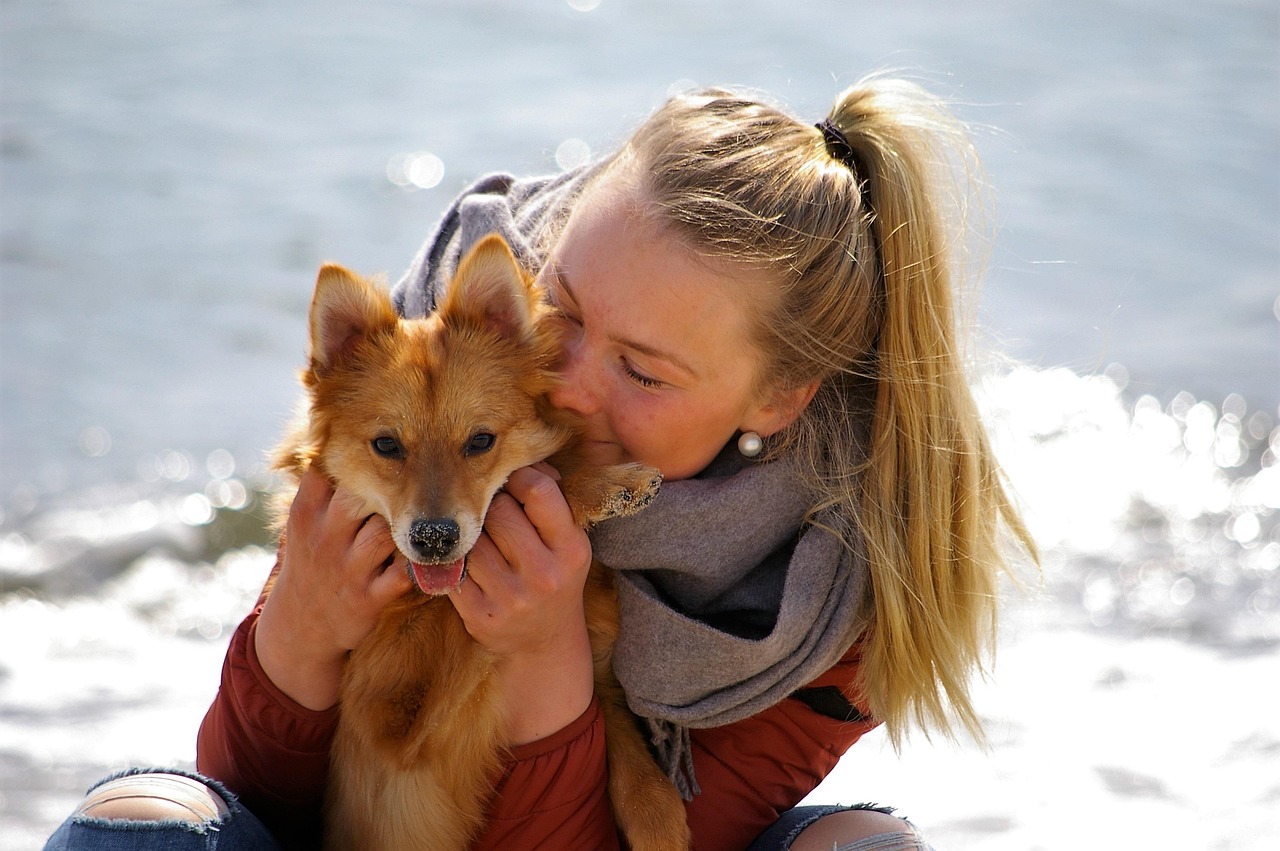

Tips for Integrating Pest Control into Your Dog’s Routine
As a dog parent, ensuring your furry friend’s health is paramount. One significant aspect is effective pest and flea control. Regularly check your dog’s fur for signs of irritation or pests. Brush your dog thoroughly each week to help remove any debris or pests. Use a flea comb to examine their coat closely. Sometimes fleas hide well, and a visual inspection might not suffice. Pay attention to problematic areas like the neck and behind the ears. Furthermore, maintain a clean living space. Regularly vacuum your home, removing pet hair and potential flea eggs. Wash dog bedding and any fabric your dog frequents at least once a week. Consider using a dehumidifier in damp areas; fleas thrive in moisture. Additionally, using preventative treatments like topical solutions and chewables can be beneficial. Consult your veterinarian to find a suitable option tailored to your dog’s needs. Moreover, an outdoor space requires attention. Keep your lawn trimmed and free from debris. Encourage your dog to avoid dense vegetation. Regular garden treatments can also help in controlling flea populations outdoors, creating a safer environment for your beloved pet.
Incorporating pest control into your dog’s routine includes making lifestyle adjustments. Regularly monitor dogs for signs of discomfort, such as biting or scratching excessively. These behaviors may indicate flea infestations. Understanding flea life cycles can also help. Fleas reproduce rapidly; thus, quick action is essential upon noticing any signs. Administering a comprehensive flea control method is vital. Use products as directed, understanding the correct dosage based on your dog’s weight. Avoid using human products, as they can be harmful to pets. Create a routine that includes regular treatments throughout the active flea season, typically spring through fall. Stay consistent; lapses in treatment can lead to new infestations. Training your dog to respond positively to grooming can enhance the check-up process. Reward your dog after grooming sessions to reinforce these behaviors positively. Additionally, talk to your veterinarian about potential allergens affecting your dog’s susceptibility to fleas. If your dog has allergies, these could attract pests. Remember that every dog is unique; therefore, what works for one might not suit another. Evaluate and adjust your pest control and care methods as needed to ensure your dog’s comfort and health.
Understanding the Importance of Regular Grooming
Regular grooming serves much more than aesthetic purposes; it’s an opportunity for discovering potential pest problems. Schedule a grooming routine at least once a week or more frequently if your dog enjoys it. During these grooming sessions, use a high-quality brush appropriate for your dog’s coat type. If your dog has long hair, invest in specialized tools to effectively remove knots and debris. While grooming, check for fleas or other parasites. Pay special attention to areas like the tail, armpits, and between the toes. Fleas and ticks often hide in these spots. If infested, seek veterinary advice for immediate treatment options. It’s crucial to keep your dog’s coat clean and healthy, as this deters pests. Bathing your dog with vet-approved flea control shampoo can eliminate or reduce pest populations. Ensure your grooming tools are clean to avoid transferring pests or allergens. After grooming, reward your dog, reinforcing their good behavior during these check-ups. Establishing a bond during grooming can also reduce anxiety and create a more pleasant experience for your dog. A well-groomed pet not only has fewer pests but also enjoys better overall health.
Another essential element in pest control is selecting the right pet-friendly pest control products. Always choose options specifically designed for dogs. Discuss available options with your veterinarian. They can recommend safe and effective products suitable for your dog’s age and health status. Read product labels carefully, ensuring that the treatment does not contain harmful chemicals. Natural treatments are also available, such as diatomaceous earth or essential oils; however, consult a vet for advice on safe usage. Applying these treatments in conjunction with grooming routines can create an effective line of defense against pests. Many dog owners find that combining topical treatments with oral medications offers comprehensive control. Flea collars can also serve as an additional preventive measure. Compare costs and effectiveness when selecting treatments. Established brands often have proven safety records. Furthermore, take your dog’s activity level and preferences into account; some dogs may tolerate certain treatments better than others. Conduct spot tests, particularly on sensitive skin before full application. Work to create a pest-free environment both indoors and outdoors; that offers comfort and joy for your dog to enjoy a carefree life.
Environmental Control for Effective Pest Management
Creating a pest-free home is crucial for safeguarding your pet’s health. Start with how you maintain your home and its surroundings. Regular outdoor lawn maintenance helps to prevent fleas and ticks. Trim grass, remove fallen leaves, and eliminate standing water to deter breeding. Consider using mulch in garden areas to hinder flea populations. Indoor flea prevention steps should include thorough vacuuming of carpets and furniture. Fleas can survive hidden in your carpet fibers; to avoid this, clean areas where your dog frequently relaxes. Take extra steps such as washing your dog’s bedding in hot water weekly. A consistent cleaning schedule breaks flea life cycles, helping to prevent infestations. Wash your dog’s toys and clean all areas they inhabit. Consider using flea traps around your home to assess the severity of infestations. Establish a barrier between your dog and potential problem areas whenever possible. For example, keep dogs away from dense wooded areas during peak flea seasons. Establishing a regular outdoor and indoor cleaning routine can significantly reduce flea populations and keep your dog safe, happy, and healthy throughout the year.
Train your dog early on to respond well to topical treatments and grooming. Reinforcing this behavior can take consistent practice, but it’s essential for your dog’s comfort. Use soothing verbal encouragement and treats to create a positive association with grooming and treatment. Practicing at a young age can help your dog acclimate to these routines, making them less anxious. Incorporating regular training and positive reinforcement is crucial for your dog’s compliance during pest control activities. Additionally, familiarization with different products can ease the application process. Some dogs may react negatively to treatment products; be prepared to change if your pet shows signs of discomfort. Never hesitate to seek a vet’s advice if unsure about which products suit your dog best. It’s vital to maintain a routine regardless of a pet’s age or size. Train older dogs patiently, allowing them to become comfortable with new procedures. Regular vet check-ups allow you to keep an eye on pest control effectiveness within the pet’s specific environment and living conditions. The more consistent your routine, the more effective pest control becomes, ensuring a long, healthy life for your dog.
Dealing with Common Flea and Pest Problems
Identifying common issues with fleas and pests is the starting point of a successful pest control routine. Recognize symptoms early. Some classic signs of flea infestations include excessive scratching, biting, or noticing tiny black specks in your pet’s fur. Blood-sucking parasites like fleas can cause anemia if left untreated. Ensure you understand how quickly fleas reproduce and develop into larvae. Treating a flea problem typically involves multiple steps to handle fleas’ lifecycle. Consult with your veterinarian for a comprehensive approach tailored to your dog’s specific needs. Additionally, maintaining a regular treatment schedule is vital for long-term control. Many pet owners opt for preventative measures as part of their routine, using topical and oral medications. Be patient, as visible results may take some time to show. These pest control measures not only eliminate current fleas but also tackle next generations. Recognizing the seriousness of flea control is essential; these pests can transfer tapeworms and cause allergic reactions. Ensure your dog receives regular health check-ups to rule out any pest-related health issues, thereby ensuring their comfort and well-being.
Lastly, don’t underestimate the importance of pet wellness programs regarding pest control. Many veterinary practices offer comprehensive health plans that include flea and pest treatments. Such programs often provide monetary savings while ensuring the best care for your pet. Prevention is typically cheaper than dealing with pest infestation aftermath. Additionally, maintain open communication with fellow dog owners about pest control techniques and experiences. Share successful methods and always be on the lookout for new developments in pest and flea management. Consider connecting with local canine groups or online forums for further tips and support. With the right knowledge and additional resources, you can enhance your effectiveness in pest control. It is vital for developing the best routine for taking care of your dog. Investing time into learning more about pest control ensures a healthier, happier companion for you and your family. Remember to celebrate small victories throughout this journey, understanding that consistency and a keen eye for detail lead to a safer home for you and your dog. Dedication to a pest-free lifestyle will vastly improve your dog’s quality of life.