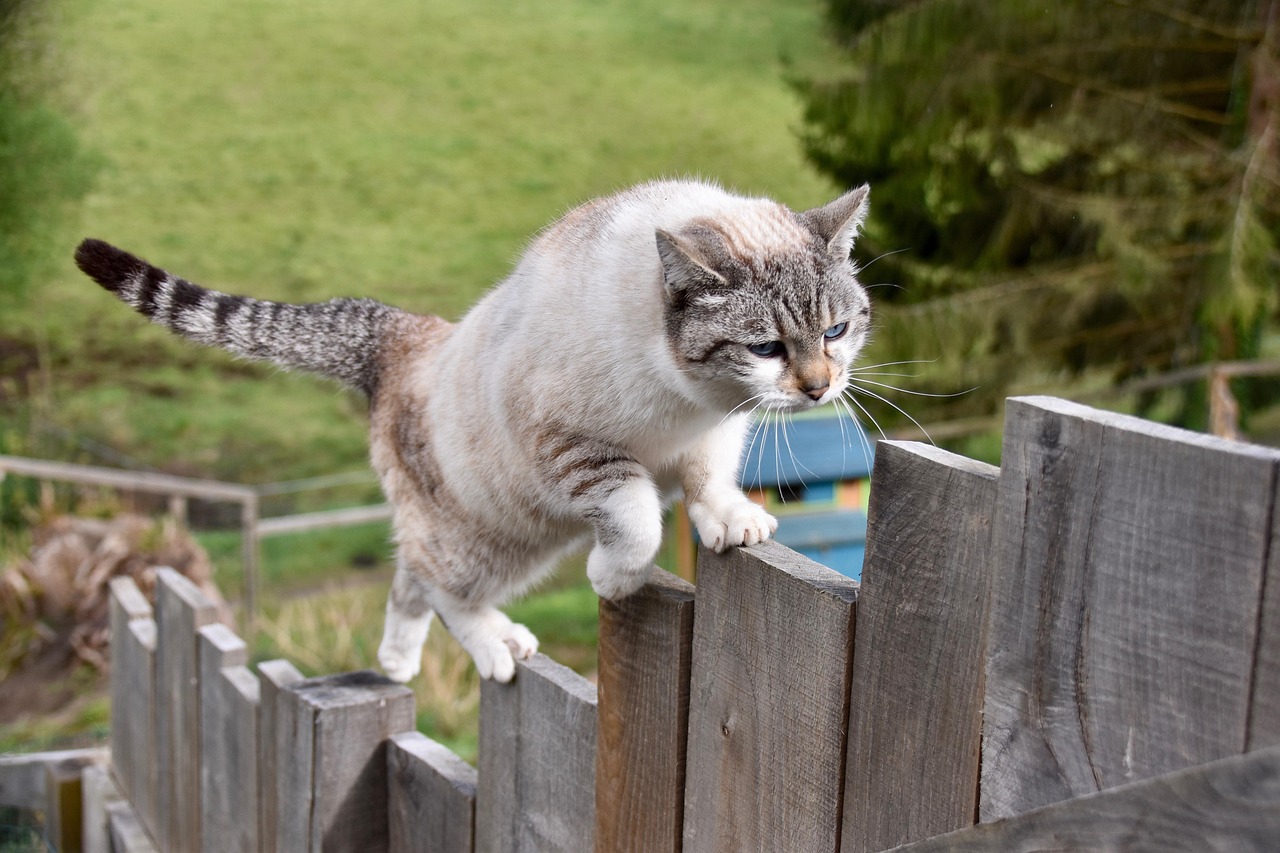

Understanding the Rules and Regulations of Cat Agility Competitions
Cat agility competitions are exciting events that showcase the speed and precision of our feline friends. Understanding the rules and regulations governing these competitions is essential for both competitors and spectators. Each competition is governed by specific guidelines to ensure fairness and safety. Participants are typically required to follow a standardized course consisting of various obstacles, such as tunnels, jumps, and weave poles. Each obstacle tests different physical and mental skills of the cat. Timing is crucial, as faster completion without faults often translates to a higher score. Additionally, handlers must skillfully direct their cats throughout the course, and communication is key. Another aspect to consider is the judging criteria; each judge assesses performance based on a set rubric that includes accuracy, speed, and overall presentation. A well-prepared competitor knows the score sheets and understands the penalties for errors. Always check the official rulebook for your specific competition beforehand to ensure compliance and enhance your chances of success. Knowledge of the regulations fosters a better understanding and appreciation of this engaging sport for all involved.
In cat agility competitions, safety measures are paramount to protect the well-being of both cats and handlers. Before entering a competition, it’s essential for cats to be in good health. Many competitions require a health certificate issued by a veterinarian. This certificate ensures that the competitor’s cat is up to date on vaccinations and free of communicable diseases. This health check not only protects the competitor’s own cat but also prevents any potential outbreaks among participant cats. Additionally, handlers should ensure that their cats are familiar with the competition environment. This involves exposing them to various settings and obstacles outside of the home. Practicing in a controlled environment while simulating competition conditions helps build confidence and reduces anxiety. Proper footing and surfaces are also significant considerations; agility courses typically use non-slip materials to prevent injuries. Handlers must keep an eye out for any hazards that might affect their cat. Injury prevention is crucial, as even slight injuries can lead to disqualification or withdrawal from future events. Overall, providing a safe and healthy environment enhances both performance and enjoyment for everyone involved.
The Importance of Training in Cat Agility
Training is fundamental to success in cat agility competitions and involves more than just basic commands. Successful training incorporates a mix of positive reinforcement techniques and an understanding of feline behavior. Many trainers begin by introducing cats to agility equipment in a low-pressure environment. This helps the cat to become familiar with the obstacles before being timed. Gradually increasing the complexity of courses builds confidence and skills over time. Short, consistent training sessions are often more effective than prolonged ones, as cats can become distracted easily. A variety of treats or toys can be used as rewards during training to maintain interest. Handlers should establish a steady routine, as predictability can reduce anxiety for the cat. It’s also crucial for handlers to learn to read their cats; understanding body language can indicate how a cat is feeling about the training challenges. Socialization with other cats and people is another vital component, as agility often involves competing in bustling environments. Engaging in group training sessions can provide exposure to distractions, helping cats become more resilient. Training ensures that both handler and cat are working as a cohesive team ready for competition.
Scoring systems in cat agility competitions vary depending on the organization hosting the event. Generally, a point-based system is utilized, where judges assign scores based on performance criteria. Common scoring criteria include time taken to complete the course, accuracy in navigation through obstacles, and handler guidance effectiveness. Any mistakes, such as refusals to jump or incorrect obstacle navigation, may incur penalties that affect the final score. Judges may also consider the cat’s attitude and willingness to perform tasks. A graceful, enthusiastic display often garners bonus points, elevating scores. Time penalties may apply for excessive pauses or sudden stops. Additionally, some competitions introduce a “clear round” concept, rewarding perfect runs where no faults were made. It’s important for competitors to memorize the competition’s specific rules regarding scoring and penalties. Familiarity with these systems equips handlers to guide their cats effectively, leading to optimal scoring strategies. Researching previous competitions can shed light on trends and common scoring patterns. Understanding the nuances of the scoring system allows competitors to strategize and adjust their approach during training and actual competitions, crucial for success in this dynamic sport.
Competition Etiquette
Understanding competition etiquette is crucial for creating a supportive atmosphere during cat agility competitions. Respect for fellow competitors and judges contributes significantly to the overall experience. Before the event, it’s important to familiarize oneself with the specific rules regarding competitor interactions and behavior. For example, handlers should always keep noise levels down and avoid distracting other competitors while they prepare for their runs. Additionally, respecting the judge’s decisions is vital; their role is to ensure fair play and safety during the competitions. If a dispute arises regarding a ruling, it’s best approached calmly and respectfully, ideally after the round has concluded. Handlers should also exhibit good sportsmanship by congratulating and encouraging fellow competitors, fostering a community spirit. Keeping your competition area tidy is another key point of etiquette. All belongings should be kept organized and out of the way to avoid accidents. Lastly, preparing your cat before their run—ensuring they are calm and focused—is a sign of respect towards both the animal and the event. Essentially, embodying good competition etiquette enhances the enjoyment of agility competitions for all involved.
Another essential component of cat agility competitions is the role of different organizations that host these events. Various national and international associations establish the rules, standards, and formats for competitions, ensuring consistency across events. Organizations like the International Cat Agility and Training Organization provide a framework for competitions, offering guidance on everything from obstacle design to judging criteria. Understanding the organization’s mission is helpful, as it can vary significantly. Some organizations prioritize educational components, focusing on teaching responsible cat training. Others might emphasize competitive aspects, organizing truly adrenaline-pumping competitions. Handlers should consider aligning themselves with an organization that resonates with their own values and goals. Additionally, organizational memberships often confer benefits like access to exclusive training materials, seminars, and community forums. Participating with established organizations can also afford opportunities for networking with other enthusiasts. This connectivity ideally fosters collaboration, growth, and sharing of best practices. Furthermore, these organizations often offer certifications for judges and trainers, promoting high standards within the cat agility community. Engaging with such organizations helps ensure that participating cats receive the best possible training and exposure.
Future Trends in Cat Agility Competitions
As the sport of cat agility competitions continues to grow, several emerging trends are shaping its future. One notable trend is the increasing incorporation of technology in training and competitions. Innovations like fitness trackers for cats can help handlers monitor their pets’ performance, health, and overall fitness levels. Virtual competitions, especially accelerated by recent global events, have opened up a new realm for cat agility. These online events allow competitive participants from around the world to showcase their skills without geographic limitations. The use of streaming platforms to broadcast live events also enhances visibility and interest in cat agility. Another trend is the expansion of agility courses, introducing new and interesting obstacles to challenge both cat and handler. This variety keeps the sport fresh and exciting, attracting new participants. Furthermore, educational initiatives and community building are gaining prominence, ensuring that both prospective and current competitors are well-informed about rules and best practices. As awareness increases, an emphasis on pet welfare and responsible handling practices is also becoming more pronounced within the community. These advancements ensure a vibrant and dynamic future for cat agility competitions.
In conclusion, understanding the rules and regulations surrounding cat agility competitions is vital for success and enjoyment for everyone involved. Navigating the complexities of health regulations, training techniques, and competition etiquette requires commitment and preparation from both cats and handlers. As these competitions grow in popularity, it remains essential for all participants to stay educated about evolving rules and organizations involved. Training not only enhances a cat’s ability to weave through obstacles but also strengthens the bond between the cat and its handler, fostering teamwork and mutual respect. Furthermore, recognizing the importance of safety precautions and ethical considerations ensures that the wellbeing of the cats remains paramount. As technology continues to integrate within the discipline, keeping an eye on best practices and innovative trends will benefit competitors in the long run. Ultimately, cat agility competitions serve not just as a competition but a celebration of the unique abilities of our feline companions. Enthusiasts contribute to a vibrant community that encourages and embraces shared learning experiences. This dynamic environment ultimately guarantees a future where both cats and their handlers thrive in agility competitions.