
Agility Training: Advanced Exercise Types for Competitive Cats
Agility training for cats is an exceptional way to enhance a feline’s natural abilities while fostering physical strengths. Unlike conventional exercises, agility training invites cats to navigate obstacles, climb surfaces, and leap distances. This type of mental and physical stimulation offers not only a workout but also a bonding experience between owners and pets. Equipment typically includes tunnels, jumps, and weave poles, designed to engage and challenge a cat’s skills. These exercises positively impact fitness and mental sharpness, significantly reducing stress levels. Gradually introducing your pet to agility obstacles earns your cat confidence. Setting up a structured course encourages enthusiasm while providing a fun atmosphere for bonding during practice sessions. Using treats and positive reinforcement during training can reinforce desired behaviors. It’s critical to cater the training intensity to your cat’s age and fitness level. Regular progress tracking is advantageous to showcase improvements. A digital app might assist in logging performance data, enhancing future training protocols. Incorporating agility training into your cat’s routine might lead not only to physical fitness but also to happier, healthier lifestyles. Each jump and dash becomes an opportunity for adventure and growth that you and your cat can share!
The training process complements the natural instincts that cats possess. As they prance over hurdles, it encourages agility, reflexes, and overall coordination. The blend of physical exercise and mental engagement encourages better focus and discipline. It’s essential to create a safe training environment to prevent accidents. Start with simple tasks and gradually introduce new challenges as your cat progresses. This pacing ensures that both you and your cat remain motivated throughout the training journey. Factors like proper warming up are crucial, as stretching helps to avoid injuries. Alongside agility training, consider integrating exercises that improve flexibility. Cats are inherently curious, so capturing that inquisitiveness can lead to joyful training sessions. Offer varied surfaces and heights for your cat to explore, making the tasks more intriguing for them. Fun and play are integral to successful practice, so continually gauge your feline friend’s interest levels. If enthusiasm wanes, switch up the routine with new equipment or techniques. Engaging in agility training together fosters a cooperative spirit, increasing the bond you share. Always observe your cat’s responses and ensure safety while you creatively challenge them with agility techniques.
Advanced Agility Techniques
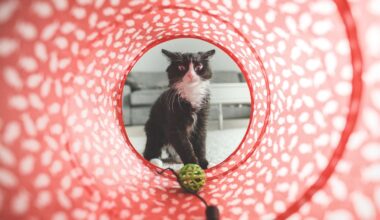
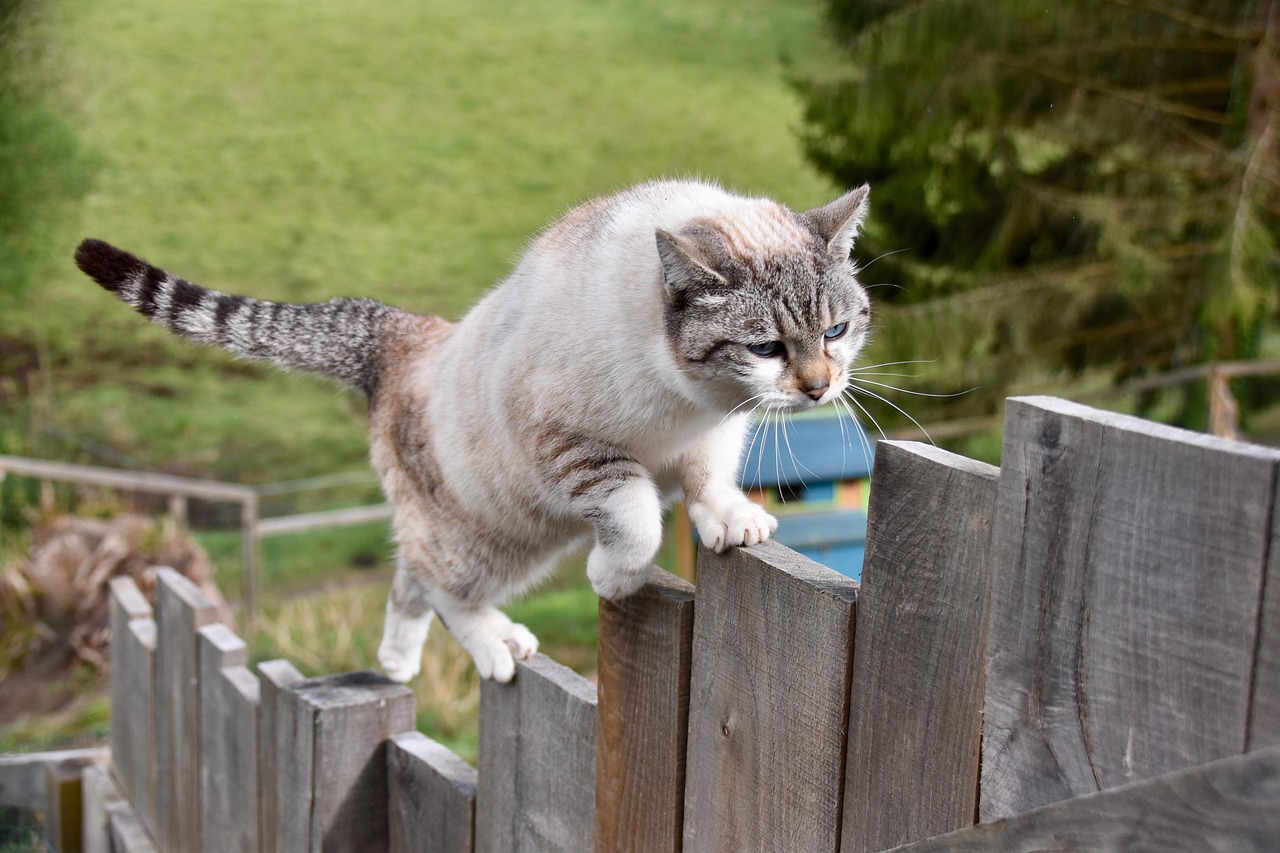
Advanced agility techniques encourage cats to refine their skills. One popular exercise involves weaving through poles, promoting balance and coordination. Begin with fewer poles, gradually increasing the number as proficiency develops. This creates a more exciting challenge that maintains your cat’s interest. Tunnels also offer fun training opportunities, aiding cats in developing speed and confidence when emerging from cramped spaces. Combine multiple elements like jumps and tunnels for a complete course that maximizes engagement. Another effective method emphasizes jumping over hurdles. Adjust hurdle heights based on your cat’s comfort level. Use visual cues, such as brightly colored markers, to attract your cat’s attention. Finger taps or directional commands train your cat to understand and respond to commands more easily. Whispering reinforces the kindness in training sessions while inviting your cat to become active participants. Monitoring your cat’s agility training occasionally ensures adherence to any required safety protocols. Construct fun challenges, such as timed courses, to assess overall improvement. Many cats thrive on structured tasks, but keeping sessions short is essential to avoid fatigue. This approach allows your competition-ready cat to enjoy engaging practices while remaining physically and mentally fit.
Equipment plays a crucial role in advancing agility exercises. Purchase or build various obstacles with safe materials that suit your cat’s skill level. Typically, options include sturdy tunnels, hurdle jumps, and balance beams constructed from solid wood or plastic that won’t tip over. Customizing equipment shapes and colors enhances visual stimulation, encouraging your cat’s engagement. The quality and durability of all materials impact the training experience positively. Ensure all surfaces are secure, providing a safe area to execute training maneuvers without hazardous risks. Regular inspections help maintain equipment security, prolonging its usability. While training, be mindful of the emotional response of your cat. A joyous training environment translates to a more enthusiastic feline. Therefore, laughter and light-heartedness should accompany these sessions, defying monotony in technique practice. Inspiring your cat to conquer agility competitions isn’t solely about speed but also nurturing mutual trust through bonding practices. Celebrate your cat’s milestones, whether small or significant. Simple rewards like treats, praise, or playtime strengthen their will and enthusiasm to try new things. In feline agility, the ultimate goal is to help your kitty stay fit and develop endless joy through adventurous activities.
Preparing for Competition
Preparing for agility competition requires dedication and strategy, ensuring your cat is well-conditioned and ready for the challenge. Prioritize practicing in environments simulating actual competition conditions, such as noise or audience presence. This approach conditions your feline to handle potential distractions during a real event. Consider conducting practice runs with timers to gauge speed and precision during the training process. Keep sessions varied to inspire continued interest and motivation for your cat. Connecting with local agility clubs can provide additional support, exposing your cat to professional techniques. Networking with fellow cat enthusiasts grants access to useful tips and practice opportunities, developed through shared experiences. Besides physical conditioning, focus on nutrition, ensuring your cat receives balanced meals fueling agility efforts. Consulting with a veterinarian can provide nutrition plans tailored specifically to your cat’s needs. Emotional support and relaxation techniques significantly ease pre-competition nerves, transforming stressful experiences into enjoyable ones. These techniques might include comforting routines, toys, or affection. By merging physical, mental, and nutritional strategies, your competitive cat will be prepared to thrive during agility events, leading to a fulfilling experience for both owner and feline.
Once you complete agility training sessions, always conclude with a cool-down routine. Gentle stretching and slow activities help your cat relax, decreasing muscle soreness and fatigue. Post-practice care is equally crucial as preparation efforts. Monitoring your cat’s health ensures you identify issues early on, enhancing recovery. Commit to regular veterinary check-ups to maintain your cat’s overall well-being and physical readiness for agility exercises. General care practices includes dental hygiene, parasite prevention, and maintaining an appropriate weight. Encouraging your cat to stay active daily supports longevity, which synergizes with agility. Remember to adapt strategies as your cat ages, shifting focus on low-impact exercises suitable for senior cats. Being flexible ensures continuous engagement without overstressing their bodies. Connecting agility training with socialization enhances experiences, making it enjoyable for your pet. Attending agility events promotes camaraderie among fellow participants and their cats. Sharing training stories propels inspiration and motivation towards friendly competition. Every accomplishment reinforces positive feelings associated with agility training, whether through simple tasks or complex maneuvers. Agility is not only about competition; it’s a way to enrich lives through fostering companionship and strengthening the owner-cat bond, transforming daily routines into playful adventures.
In summary, agility training forms an engaging framework that captivates feline instincts while fostering strength and elegance. By employing advanced exercise types, you can inspire competitive spirit in your cat, enhancing its capabilities and zest for life. Implementing agility techniques creates an exciting routine that strengthens your bond, driving mutual joy throughout your experiences. Make sure to prioritize safety, monitoring your cat’s progress and conditioning as essential elements for achievement. Training should also integrate proper nutrition and emotional support to foster a well-rounded approach. Keeping environments stimulating assures even the most demanding of cats maintain interest. As your cat improves through practice, consider sharing stories of success with other enthusiasts and local agility clubs. Fostering connections can provide helpful insights while encouraging continued commitment. In building a comprehensive agility program, remember to be flexible. Adjust your strategies with age, energy levels, and specific preferences your cat exhibits. Ultimately, agility training unveils hidden talents and delights both you and your feline friend, blending exercise with fun adventures filled with laughter and companionship. Enjoy the rewarding journey agility training offers, creating memories as irreplaceable milestones shared together!