
Avoiding Common Mistakes in Outdoor Dog Photography
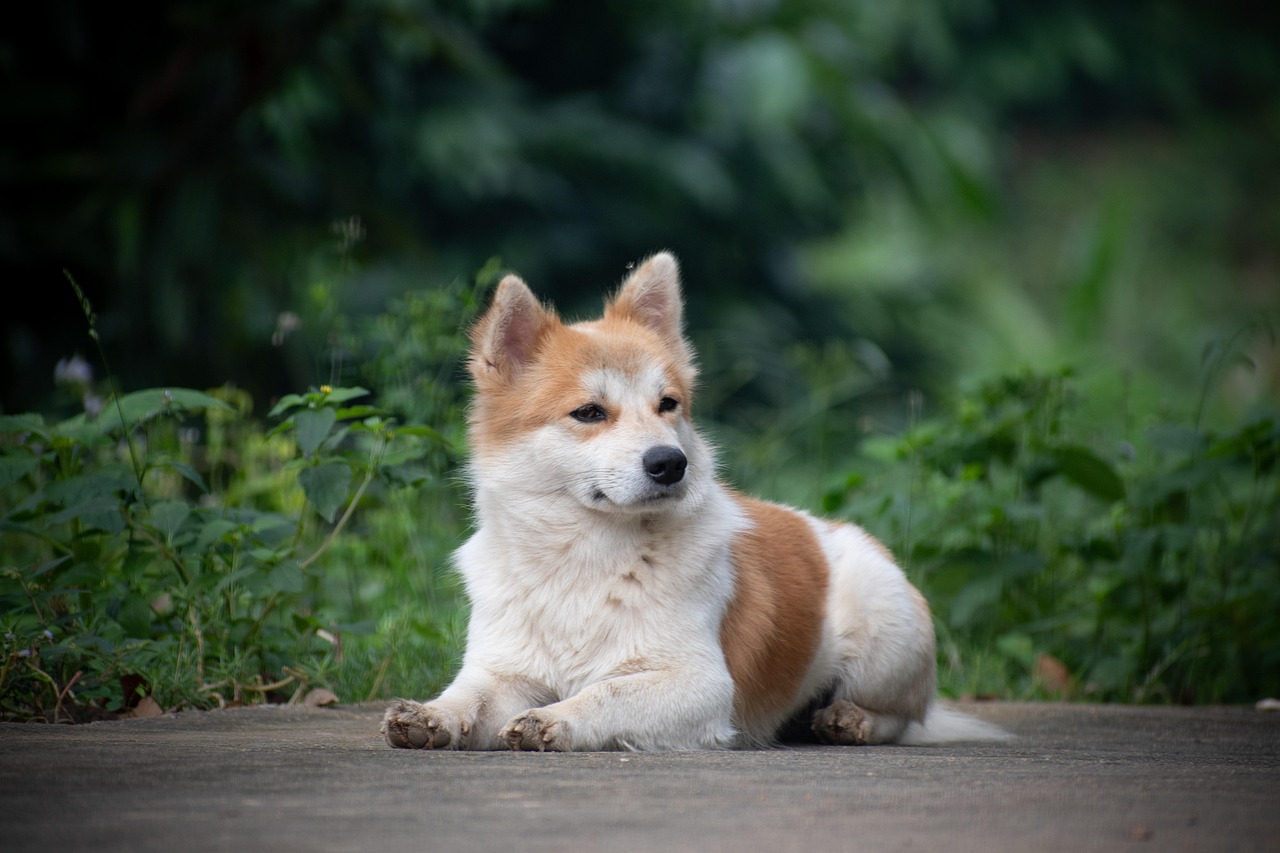
Outdoor dog photography is a delightful way to capture the essence and personality of your canine friend. However, many photographers overlook some key details that can make or break a shot. One common mistake is not taking advantage of the natural lighting present during outdoor sessions. Lighting plays a critical role in photography, especially when it comes to enhancing the dog’s fur texture and color. Early morning and late afternoon provide the best natural light, often dubbed the golden hour. Another factor to consider is the background of your shots. An overly cluttered or distracting background can detract from the subject. Aim for simple, clean backgrounds that accentuate your dog. Plan ahead by scouting locations that offer plenty of greenery or interesting textures that complement your canine friend. Additionally, using different angles can introduce dynamic perspectives, capturing your dog’s spirit joyfully. Experiment with various levels: get down low to the ground or shoot from an elevated position. By being mindful of these elements, you can create stunning outdoor dog photographs that highlight your pet’s individual personality and charm.
Choosing the Right Time and Place
Selecting the right location is vital when aiming for the perfect outdoor dog photograph. Parks, nature trails, and open fields provide ample space for your furry friend to roam freely, showcasing their natural behaviors. When selecting locations, consider your dog’s temperament. Some dogs might feel overwhelmed by busy environments. Choose spots that suit their comfort level. Timing your outing is equally important. Avoid the heat of midday sun, which can cause harsh light and create unflattering shadows. Early mornings or late afternoons often yield the most pleasing light for photography. Observe the weather, too. Ideal conditions include clear skies or soft cloud coverage that can filter sunlight gently. Wind can also play a role in a dog’s behavior. Windy days may result in restless or distracted dogs, so consider your dog’s natural environment. Additionally, ensure that the area is safe and free from hazards, such as loose dogs or sharp objects. Having a secure environment allows your pet to wander, relax, and express themselves more naturally, leading to classic candid moments that you’ll treasure forever.
Another critical mistake in outdoor dog photography is neglecting to engage with your dog during the shoot. Often, photographers become preoccupied with their camera settings or composition, which can result in unexciting shots. Instead, interact with your dog to elicit a range of expressions and positions. Using treats, toys, or even your voice can bring out your dog’s personality. Regularly changing your approach keeps your dog stimulated and engaged. Additionally, consider the dog’s favorite activities. If they love to fetch or explore, incorporating these elements can enhance your images while allowing your dog to be themselves. You might also try getting another person involved—a trusted friend can help distract your dog with toys or fun interactions, creating heartwarming moments. Capturing these genuine reactions often results in more compelling photographs that tell a story. Also, patience is crucial. Getting the perfect shot may require several attempts and some time, so allow your dog to adjust to the environment and your presence behind the lens. This way, you’ll not only create beautiful images but forge deeper connections with your furry companion.
Camera Settings and Equipment
To optimize your outdoor dog photographs, understanding your camera settings is essential. A common oversight is shooting in automatic mode. While this can yield decent shots, manual settings allow you to adjust exposure, shutter speed, and ISO to adapt to varying lighting conditions. For instance, adjusting the shutter speed is crucial when capturing fast-moving dogs. A fast shutter speed can freeze the action and retains clarity during active play. Experiment with varying aperture settings as well; a wider aperture results in a shallow depth of field, keeping your dog in focus while blurring the background. Using a zoom lens also offers flexibility in framing your shots without disturbing your dog’s activity. Props like leashes or toys can help guide your dog into desired frames, making composition much simpler. Additionally, consider using a polarizing filter to combat glare, especially in bright conditions. If you’re shooting in particularly bright sunlight, decreasing the exposure can preserve details in your dog’s fur. Ultimately, experimenting with various settings and equipment is key for taking breathtaking photographs that reveal your dog’s character in stunning detail.
Another common error is focusing solely on the dog while ignoring the surroundings. To create a more engaging composition, it is useful to include environmental elements in your shots. This can enhance the story within each image, providing context and depth. Foreground elements like wildflowers or grass can add dimension and engage viewers more effectively. Framing your subject with natural elements can also draw attention to your dog, guiding the eye towards them. Consider implementing techniques such as the rule of thirds or leading lines to enhance composition further. Instead of placing your dog directly in the center, try positioning them along one of the imaginary gridlines or intersections. When capturing multiple dogs, ensuring they are spaced appropriately helps to avoid chaos in your images. Therefore, plan each shot by considering how the elements interact before pressing the shutter. Achieving balance in your composition guarantees that your dog stands out without feeling lost in their environment. This attention to detail will elevate your photography and create images that are both captivating and beautifully composed.
Post-Processing Techniques
After capturing your outdoor dog photographs, the editing process can enhance your images significantly. Many photographers skip this crucial step, but basic adjustments make a world of difference. Utilizing software like Adobe Lightroom or Photoshop allows you to fine-tune various aspects of your photos. Start by cropping your images to remove distractions from the edges and focus on your subject. Adjusting brightness and contrast can help bring out details in your dog’s fur and eyes. Make use of the saturation and vibrance sliders to bring colors to life, but be cautious not to overdo it. A common mistake is oversaturation, which can make images appear unnatural. Also, sharpening your photos improves clarity, ensuring that every strand of fur is visible. Noise reduction is particularly important if you had to use a high ISO setting, ensuring your images look crisp and clean. Experimenting with filters can also create a unique look, but make sure it complements the photo’s mood. Post-processing, when done thoughtfully, can transform a good shot into a stunning piece of art that captures your dog’s spirit beautifully.
Finally, sharing your outdoor dog photographs is an exciting step that many photographers often underestimate. Social media platforms offer fantastic opportunities for showcasing your work and connecting with other dog lovers. Consider creating dedicated pages or profiles focused on your photography to attract a like-minded audience. Engage with your followers by sharing tips, behind-the-scenes shots, and stories about your photography experiences. Also, using relevant hashtags and location tags can improve your content’s visibility, reaching a larger audience who shares similar interests. Furthermore, entering dog photography contests or exhibitions can provide additional exposure and credibility. Be sure to maintain high-quality uploads to represent your work accurately and attract followers. Remember, building an online presence takes time; consistency is key. By actively participating in the community, you’ll find inspiration, gather insights, and possibly connect with potential clients. Lastly, don’t hesitate to collect feedback from viewers, as it can be beneficial for your growth as a photographer. Sharing your images becomes an opportunity to celebrate your dog and your journey together.