
Exploring Taurine’s Role in Cat Muscle Function
Taurine is an essential amino acid, particularly known for its significance in feline nutrition. Cats cannot synthesize taurine efficiently, making it crucial to incorporate this nutrient into their diets. This is especially important for maintaining optimal muscle function. Taurine’s primary role involves supporting heart health, vision, and muscle tissue function. It acts by helping to prevent muscle degeneration, which can occur in taurine-deficient cats. Inadequate taurine can lead to serious health issues, including dilated cardiomyopathy. Muscle fibers require taurine to maintain cellular integrity and efficient energy production. With proper taurine levels, cats display improved muscle contraction and recovery during physical activities. Sources of taurine include meat, fish, and some dairy products. High-quality commercial cat foods are designed to meet taurine requirements. It is vital to ensure your cat receives a consistent intake of taurine-rich foods. Understanding taurine’s role helps pet owners provide a balanced diet that promotes healthy muscle function in their beloved companions. Regular veterinary check-ups can support optimal taurine levels, contributing to overall health and wellness.
The role of taurine extends to various aspects of cat health, impacting not just muscles but also overall well-being. Taurine deficiency can lead to poor energy levels and decreased physical activity. Healthy muscles are necessary for everyday movements, grooming, and playing. Cats are naturally active creatures, requiring robust muscle function for their hunting instincts. An absence of taurine in their diet may inhibit agility and quick reflexes. Pet owners should observe their cats for signs of lethargy or reluctance to engage in play, as these may indicate a deficiency. It’s essential to assess the cat’s diet and ensure it meets specific nutritional needs. Regular feeding of tuna or chicken can support muscle health due to their higher taurine content. Other foods, such as turkey and lamb, also provide significant quantities of this essential amino acid. Cooking or processing food can sometimes reduce taurine levels. Therefore, providing raw or minimally processed options can ensure maximum nutrient intake. Maintaining proper taurine levels helps support the feline body’s muscle structures. This gives cats the energy required for daily activities and a quality life.
Taurine and Muscle Functionality
The interaction between taurine and muscle functionality is quite profound. Taurine helps maintain cellular fluid balance in the muscles, influencing muscle contraction and relaxation. This regulation is critical during physical activities. A deficiency in taurine can lead to impaired muscle function, affecting overall physical performance. Signs of decreased muscle functionality include reduced stamina, weakness, and cramps. Cats rely heavily on their muscles for all activities, from climbing to jumping. Adequate levels of taurine help ensure that their muscle tissues can respond effectively. Without sufficient taurine, muscle cells may struggle to manage calcium ions, leading to ineffective contractions. This situation can result in increased fatigue and decreased physical activity. Also, taurine supports the endurance of muscle fibers, enhancing a cat’s ability to engage in vigorous activities. Owners should monitor their cats for physical performance and consider consulting a veterinarian if there are noticeable changes. Providing a diet rich in taurine can help maintain normal muscle function and stamina. Scheduled diets that meet taurine needs will ensure the best overall health of the cat.
Understanding the metabolism of taurine in cats is essential in advocating for their diet. Taurine is unique among amino acids because it contains a sulfonic acid group rather than a carboxylic acid group. This structural difference influences taurine’s metabolic pathways and its biological roles in the feline body. Cats utilize taurine in various biochemical reactions, particularly in the heart and muscle tissues. The liver plays a crucial role in taurine metabolism; it can synthesize small amounts but cannot meet the overall requirement. Therefore, dietary supplementation is often necessary. The health of organs such as the heart is vital, given that taurine deficiency can lead to life-threatening conditions. When evaluating cat foods, seek those that specifically mention taurine on the label, usually found in meat-based products. Individual dietary needs can vary, so consulting a veterinarian regarding specific health conditions or dietary adjustments is advisable. Understanding taurine metabolism helps ensure that the necessary nutrients are provided, supporting muscle health and overall vitality. Cats depend on their owners to provide a balanced diet that adequately meets their specific nutritional requirements.
Signs of Taurine Deficiency
Awareness of taurine deficiency signs is crucial in maintaining optimal feline health. While taurine deficiency can occur gradually, the symptoms can become severely noticeable over time. Common signs include lethargy, lack of appetite, and abnormal posture while resting. Cats may exhibit muscle wasting and poor fur quality, indicating nutritional deficiencies. Owners may also notice changes in behavior, such as reluctance to engage in play or exercise. If left unaddressed, taurine deficiency can lead to heart disease, such as dilated cardiomyopathy. Regular veterinary check-ups can detect signs of nutrient imbalances. These checks can help guide dietary adjustments to include more taurine-rich foods. Cats at greater risk for deficiencies are those on strictly plant-based diets or homemade diets lacking essential nutrients. Understanding these signs enables pet owners to take early action. Educating oneself about taurine can lead to better health outcomes. Providing a well-rounded diet and addressing any observed symptoms promptly can improve overall quality of life. Additionally, taurine supplementation may be necessary, under veterinary guidance, for those at risk of deficiency.
In conclusion, taurine plays an integral role in a cat’s diet, influencing their muscle function significantly. Cats require this amino acid to support not only muscular health but also overall well-being. By ensuring a diet rich in taurine, pet owners can provide their feline companions the necessary nutrients to thrive. Poor muscle function often correlates with insufficient taurine intake, highlighting the importance of a balanced diet. Regular monitoring of a cat’s dietary consumption is essential to prevent deficiencies. Because taurine cannot be adequately synthesized by the feline liver, it is imperative to supply it through food. Selecting high-quality commercial cat food featuring ample taurine is a proactive step toward ensuring health. Furthermore, understanding the complexity of taurine’s role aids in appreciating the interconnectivity of nutrition and health. Educating yourselves about feline nutritional needs can lead to better health outcomes. By proactively addressing dietary requirements, pet owners can enhance their cats’ physical capabilities. Ultimately, a commitment to quality nutrition will yield long-term health benefits for cats, ensuring they live longer, healthier lives.
Maintaining Optimal Taurine Levels
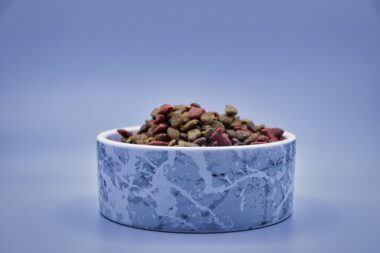
Keeping your cat’s taurine levels optimal is crucial. Ensuring they receive high-quality protein sources is a fundamental approach. Commercial cat foods—particularly those formulated by veterinary nutritionists—typically account for correct taurine amounts. It’s vital to follow feeding instructions based on your cat’s age and weight to avoid deficiencies. Cats require regular check-ins at the vet to assess their overall health and taurine status. Any changes in diet should be fabricated cautiously and under veterinary supervision. Always monitor any shifts in behavior or energy levels when changing diets, as these can signal changes in taurine intake. Additionally, consider age-related adjustments as cats mature, since their nutritional needs can evolve. It may be beneficial to mix two different food types for variety while ensuring each has sufficient taurine. Always opt for premium quality for the protein-rich foods you choose. This simple practice can help maintain optimal taurine levels, directly impacting muscle function and overall vigor. Staying attentive to your cat’s dietary patterns will promote a longer, healthier life. Taking such steps reinforces the importance of nutrition in your feline companion’s health.
Monitoring taurine levels helps maintain your cat’s health. Ensuring your feline companion receives a proper diet rich in the essential nutrient supports muscle health and general well-being. Involving your veterinarian ensures tailored dietary choices that suit individual health requirements. Being proactive in assessing diet helps identify the right balance of nutrients for optimal health. Incorporating diverse protein sources maintains engagement in meals, ensuring your cat gets enough taurine and other essential nutrients. High moisture content in food also supports hydration, indirectly improving muscle function. Offering a meal schedule rather than free feeding may allow for optimal nutrient uptake. Regularly conversing with your veterinarian about your cat’s dietary habits, including changes in behavior and appetite, can avert potential deficiencies. Tracking behaviors can also reveal any adverse reactions to changes in diet. Bringing awareness to taurine’s role aids in ensuring that our cats receive essential nutrients. Committing to a holistic approach will not only enhance their muscle function but also elevate their overall vitality. Thus, being informed about taurine and adhering to dietary guidelines continues to remain necessary for maintaining feline health.