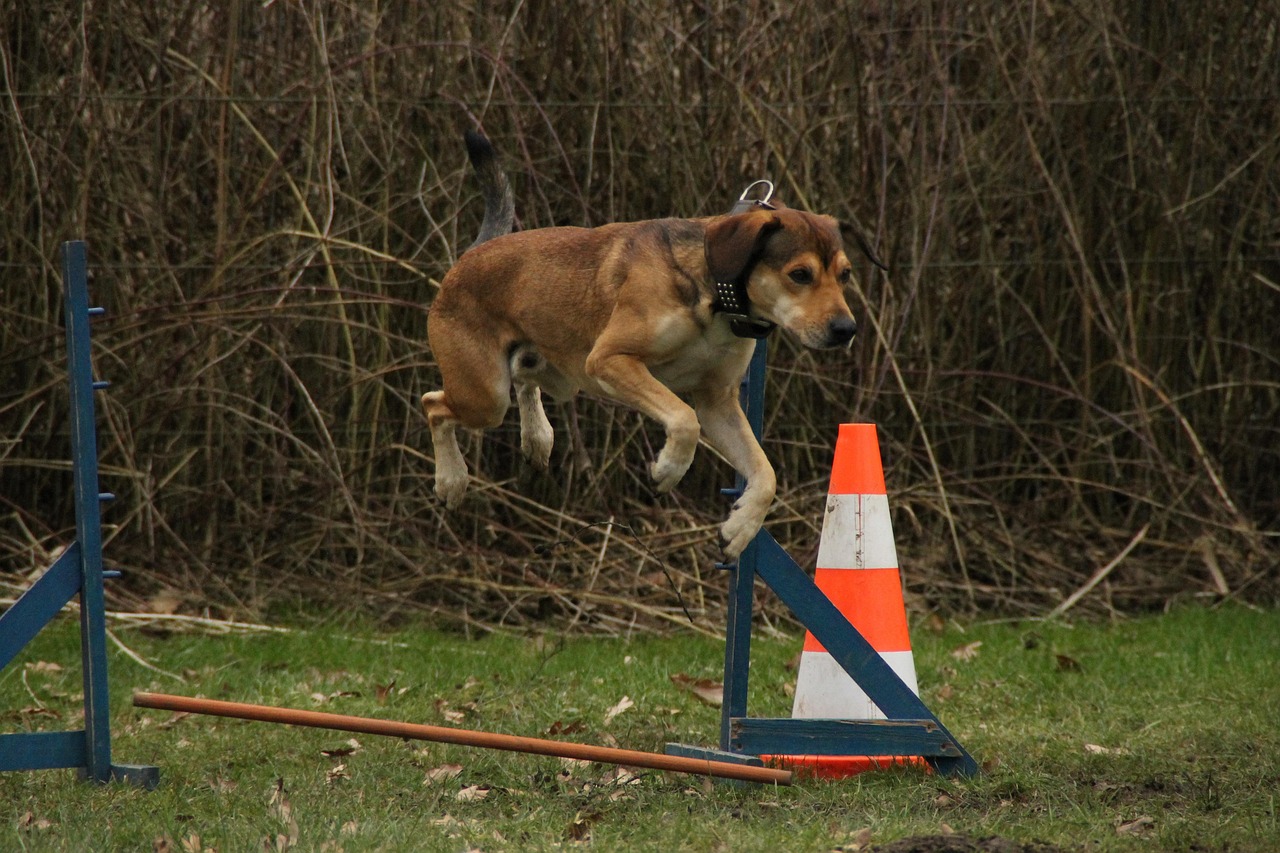

How Exercise Boosts Your Dog’s Learning Abilities
Exercise not only keeps your dog physically fit but also enhances their cognitive functions, making training more effective. Engaging in regular physical activities stimulates the brain, releasing endorphins and encouraging a positive mindset in dogs. When dogs are well-exercised, they tend to be calmer, which allows them to focus better during training sessions. Incorporating exercise into your dog’s routine can significantly increase their capacity to absorb new commands and behaviors. A well-balanced combination of exercise and mental challenges can create a well-adjusted dog, making it easier for training to take root. The benefits of routine exercise extend beyond muscle development; they promote overall mental health, boosting your dog’s ability to learn. Through engaging physical activities, dogs develop better social skills and the confidence needed to tackle training challenges. Thus, making exercise a consistent part of your dog’s day will lead not only to improved behavior but to an enhanced ability to learn. Always consider your dog’s specific needs regarding the type and amount of exercise offered to achieve optimal results effectively.
In addition to regular exercise, providing a nutritious diet is equally important for effective training. Dogs need balanced nutrition to support their physical activity levels and cognitive functions. A diet rich in proteins, vitamins, and minerals can enhance your dog’s energy levels and overall health. Ensuring your dog receives high-quality food will contribute positively to their mood and motivation, which is crucial when learning new commands. When dogs are well-fed, they are more likely to stay engaged and responsive during training sessions. Including healthy treats as rewards can also reinforce good behavior, as dogs often respond better to positive reinforcement. Be mindful of portion control to prevent obesity, which could hinder exercise and training capabilities. Additionally, consider using training methods that combine dietary management with exercise for maximum effect. Maintaining a healthy diet alongside regular physical activity can create a well-rounded approach to dog training. This strategy not only boosts your dog’s mental health but also fosters a stronger bond between you and your furry friend, making the training process enjoyable for both parties.
Types of Exercises for Effective Learning
Various types of exercises can help maximize your dog’s learning potential. Activities such as agility training, fetch, and interactive games challenge your dog’s body and brain, making learning more enjoyable. Agility training involves navigating through obstacles, which enhances coordination and sharpens concentration. Fetch provides physical exercise and builds the bond between dog and owner, encouraging teamwork during training. Interactive games, like puzzle toys, stimulate your dog mentally while also rewarding them for their problem-solving skills. These types of exercises not only keep your dog fit but also improve their attentiveness and eagerness to participate in training activities. Short, energetic bursts of playtime can help alleviate distractions, allowing dogs to focus on their learning tasks. Outings to new environments also serve as excellent learning experiences, exposing dogs to diverse stimuli. Regardless of the exercise type chosen, consistency remains key. Setting aside time each day ensures your dog receives the necessary physical and mental stimulation, ultimately enhancing their learning journey. Playtime combined with training can be a rewarding way to develop both mental acuity and obedience in your dog.
Beyond physical exercise, mental stimulation plays a crucial role in your dog’s ability to learn effectively. Engaging your dog in activities requiring critical thinking promotes a more active brain, which positively influences their training capabilities. Incorporating tasks such as scent detection games, hide-and-seek, or teaching new tricks can enhance your dog’s problem-solving skills. These activities promote cognitive stimulation, encouraging dogs to think through challenges presented during training. Moreover, mental exercises foster a strong connection between pet and owner, further enhancing the dog’s willingness to learn. Just as humans require a balance of physical activity and brain engagement, so do dogs. Providing a variety of enriching experiences helps prevent boredom and inattentiveness in dogs. Significantly, it’s essential to tailor these activities to your dog’s unique interests and abilities, accommodating their strengths and weaknesses. Mixing mental challenges with physical exercises can create a comprehensive training regimen that promotes all aspects of your dog’s learning capabilities. Keeping training sessions varied and exciting not only reinforces obedience but also nurtures your dog’s innate curiosity, leading to more effective learning outcomes.
Benefits of a Balanced Approach
Employing a balanced approach that integrates both diet and physical activity can yield remarkable improvements in your dog’s training outcomes. Physical exercise releases stress and pent-up energy, enabling dogs to focus better on learning commands. Alongside nutrition, adequate exercise cultivates mental clarity, allowing dogs to retain new skills. This synergy between exercising and providing well-rounded nutrition significantly enhances their capacity to absorb information and reinforces good behavior through positive associations. With consistent training in an engaging environment, your dog’s learning abilities flourish, establishing a solid foundation for obedience and manners. This holistic approach not only benefits training but also enriches your dog’s overall quality of life, promoting a healthy lifestyle. As you incorporate these practices, your bond with your dog will strengthen through shared activities, creating a harmonious training atmosphere. Furthermore, understanding your dog’s specific needs and limitations helps in customizing their exercise plan for optimal benefits. It is crucial to adjust various exercises according to age, breed, and activity level. This all-encompassing view should encourage a healthy lifestyle path that supports enhanced learning and exciting growth opportunities.
The consistency of applying these techniques plays a vital role in developing good lessons for your dog. Establishing a routine characterized by regular exercise and a proper diet leads to systematic growth in your dog’s learning experience. Dogs thrive on structure, and having an established routine fosters their sense of security and predictability. This stability allows them to feel comfortable and more receptive during training. Furthermore, consistency in commands and training methods reinforces learning outcomes, guiding your dog toward positive behavior. Conducting training sessions immediately after exercise can also yield better results, as dogs will have their focus sharpened from physical activity. Keep training sessions short yet frequent to prevent your dog from becoming bored or disengaged. Incorporating frequent breaks within these sessions can also optimize focus levels. Rewarding dogs after successful sessions encourages continued participation and makes learning more enjoyable. Therefore, combining a consistent routine with varied rewarding techniques fosters an encouraging atmosphere in which dogs eagerly engage in learning activities. Ultimately, this structured and consistent approach will lead to progressively improved behavior and obedience, enhancing your relationship with your loyal companion.
Conclusion
In summary, combining diet, exercise, and effective training techniques greatly enhances your dog’s learning abilities. Implementing a physical activity regime not only helps dogs release energy but also sharpens their focus, making training sessions more effective and rewarding. Proper nutrition complements this by ensuring dogs have the energy needed for both physical and cognitive tasks. Engaging your dog in varied exercises, along with mental challenges, creates an enriching environment that fosters their natural instincts for learning. The positive effects of a balanced approach cannot be overstated, as physical health ties directly to mental acuity, leading to enhanced obedience and behavior modifications. Dogs are social creatures who thrive on interaction, encouraging you to be involved and supportive during training. Structuring training sessions with consistency, rewarding good behavior, and maintaining an active lifestyle is essential in cultivating a strong bond with your furry friend. Lastly, always adjust your approach according to your dog’s individual needs and preferences to maximize success. By investing time and energy into these aspects, you are setting your dog up for a lifetime of joy, learning, and good behavior, significantly enriching the bond shared with them.
Remember that every dog is unique; observing individual responses to training methods will help you fine-tune your approach for success. }