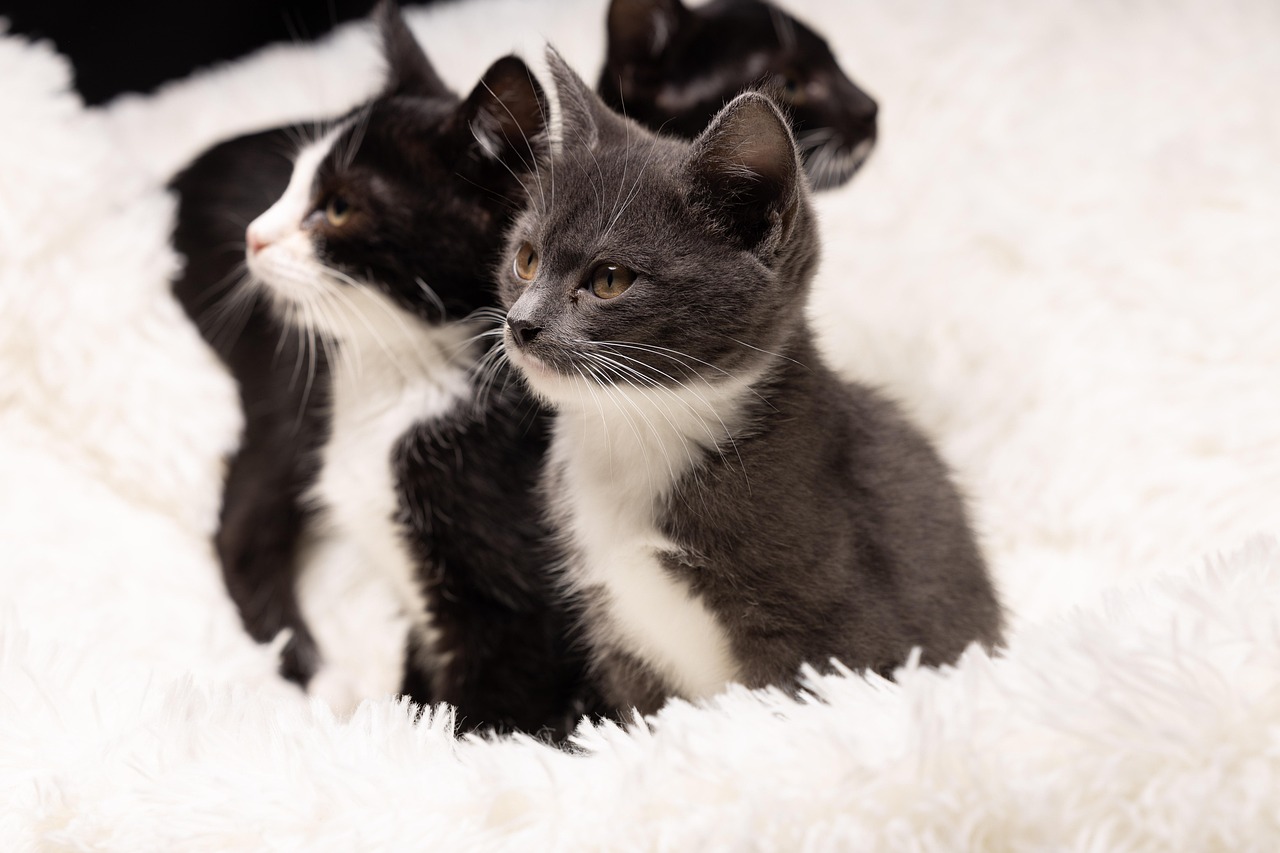

How to Monitor Your Rescued Cat’s Progress in Their New Home
Bringing a rescued cat into your home is an exciting process that can benefit both the cat and you significantly. Monitoring their progress during this adjustment period is crucial for both built emotional bonds and establishing a healthy environment. First, keep an eye on their eating habits; ensure they’re consuming enough food. A checklist can help track their daily consumption and any preferences:
- Wet foods or dry foods.
- Any special treats they enjoy.
- The frequency of meals.
Pay close attention to whether they seem stressed or anxious during mealtimes, as this can affect their overall health. Observing their litter box habits is just as essential; ensure that they are using it regularly, which indicates they are comfortable in their new surroundings. Utilizing a journal can help document all of these observations, ensuring that you look for patterns or changes over time. This written record becomes vital for understanding what adjustments may need to be made in your approach to their care. Maintain patience and openness as your new friend gets used to their surroundings and routines.
Another big part of monitoring your rescued cat is observing their behavior as they settle into your home. Watch for signs of stress or happiness in their actions. Cats express their preferences and feelings dynamically, so it’s vital to gauge how they respond to their new space. You might note your cat’s natural instincts—climbing to high places or hiding to feel safe. Create a comfortable environment with various secluded spots, such as:
- Cat trees for climbing.
- Soft blankets in quiet corners.
- Boxes or tunnels for exploration.
Encourage playtime using interactive toys, which help with their confidence and allow you to bond. It’s beneficial to modify your play activities in response to their reactions; this adaptation shows your cat that you respect their comfort zones and preferences. Consider introducing new toys one at a time, so your cat doesn’t feel overwhelmed. Providing options, though, helps keep their interest high, sparking curiosity and engagement. The focus should be on establishing a supportive routine that encompasses healthy play and rest to aid their adjustment.
Next, social interactions with your rescued cat should gradually increase. Start by spending short periods with them in a calm and controlled manner. This initial phase will allow them to become accustomed to your presence without feeling pressured. As trust builds, you can incorporate gentle petting and soothing voices that they may find comforting. Implement a strategy for socializing that includes:
- Short, positive interactions.
- Use of treats to reinforce good behavior.
- Respecting their desire for alone time.
These activities help foster a sense of security and normalcy in their new home. Gradually introduce family members or other pets, ensuring each interaction is monitored. You can watch their reactions and adjust interactions based on their comfort levels. This method creates an environment where your rescued cat feels that they have both secure boundaries and loving connections. Be consistent with your approach, and over time, you’ll develop a strong bond built on mutual respect and understanding, which is vital for your cat’s emotional well-being.
Preventing Stress and Anxiety
Creating an environment that minimizes stress is essential for monitoring your rescued cat’s progress. It is vital to establish a stress-free zone within your home—this specially designated space lets your new pet retreat when feeling overwhelmed. Ensure their safety and happiness through proper setup. Include items such as:
- A cozy bed for comfort.
- Scratching posts to relieve anxiety.
- Toys that encourage independent play.
Keeping noise levels low helps as well; avoid loud environments that might frighten them. Stick to your routine as much as possible; cats thrive on predictable schedules. Maintain regular feeding times, play sessions, and quiet periods during the day. If your rescued cat exhibits signs of stress—like hiding or aggressive behavior—document these occurrences. Keep track of potential triggers that may cause anxiety. Always respond respond with gentle reassurance to encourage confidence. Engaging your veterinarian for guidance or behavioral advice can also be beneficial, especially if you’re noticing persistent signs of unease. Altogether, staying attentive will enable you to promptly adapt your approach and keep their anxiety at bay.
Another essential aspect of monitoring your rescued cat is keeping up with regular health check-ups. Schedule vet appointments to ensure they are in optimal health as they adjust to their new environment. These checkups should not only focus on vaccinations and internal medications, but be comprehensive as well. Ask about any health concerns you may have noted, such as:
- Changes in appetite.
- Behavioral shifts.
- Weight management issues.
Monitoring their health allows you to spot potential issues early and ensures that your cat remains healthy and happy. Furthermore, observe their coat and dental health; regular grooming can help with both comfort and hygiene. Pay close attention to any signs of illness, like lethargy or unusual vocalization. If these symptoms arise, contact your veterinarian. It is essential to understand that each cat’s journey is unique. If your cat has specific medical needs, work with your vet to tailor a plan suited just for them. Doing so guarantees that your rescued feline can thrive in their new home while receiving the best care possible.
Positive Reinforcement Techniques
Utilizing positive reinforcement is a powerful way to monitor your rescued cat’s progress effectively. Create an environment where your cat feels rewarded for good behavior, which fosters trust and affection. Simple methods of reinforcement can include:
- Offering treats for specific actions.
- Using a soft voice to praise them.
- Engaging in play with toys they prefer.
Celebrate your cat’s successes, whether it is using the litter box correctly or exploring their surroundings comfortably. Create a positive atmosphere that encourages curiosity and exploration, avoiding pressure or punishment at all costs. Cat behaviorists recommend training sessions focused on rewarding specific behaviors with treats, which will enhance their learning experience. Over time, these positive experiences will encourage your cat to interact more freely with you and their environment. Ensure that you remain patient and consistent, as each cat will adjust at their own pace. Monitor the progress through careful observation, celebrating each milestone that showcases their growing comfort in their new home. Achieving this balance of play, praise, and respect is vital in monitoring your rescue cat’s emotional journey.
Lastly, consider documenting your cat’s progress regularly to keep track of their development. Maintain a journal where you can note down observations, including behavioral changes, health updates, and social interactions over time. This record will become invaluable for reflecting on how your cat is adjusting to their new home. You might find it helpful to categorize entries, such as:
- Eating habits and preferences.
- Frequency and type of play.
- Signs of affection shown: purring, cuddling, etc.
Additionally, taking pictures can show visual progress, allowing you to appreciate how far your rescued cat has come. Include timestamps to correlate changes with specific events or routines. Consult the journal during vet visits so that you can provide informed updates about your cat’s life. By engaging in this recording activity, you remain proactive and dedicated, establishing better communication with your feline. Celebrate shared victories big or small. Ultimately, your journey together is a rewarding experience tailored to understanding their behavior and needs.