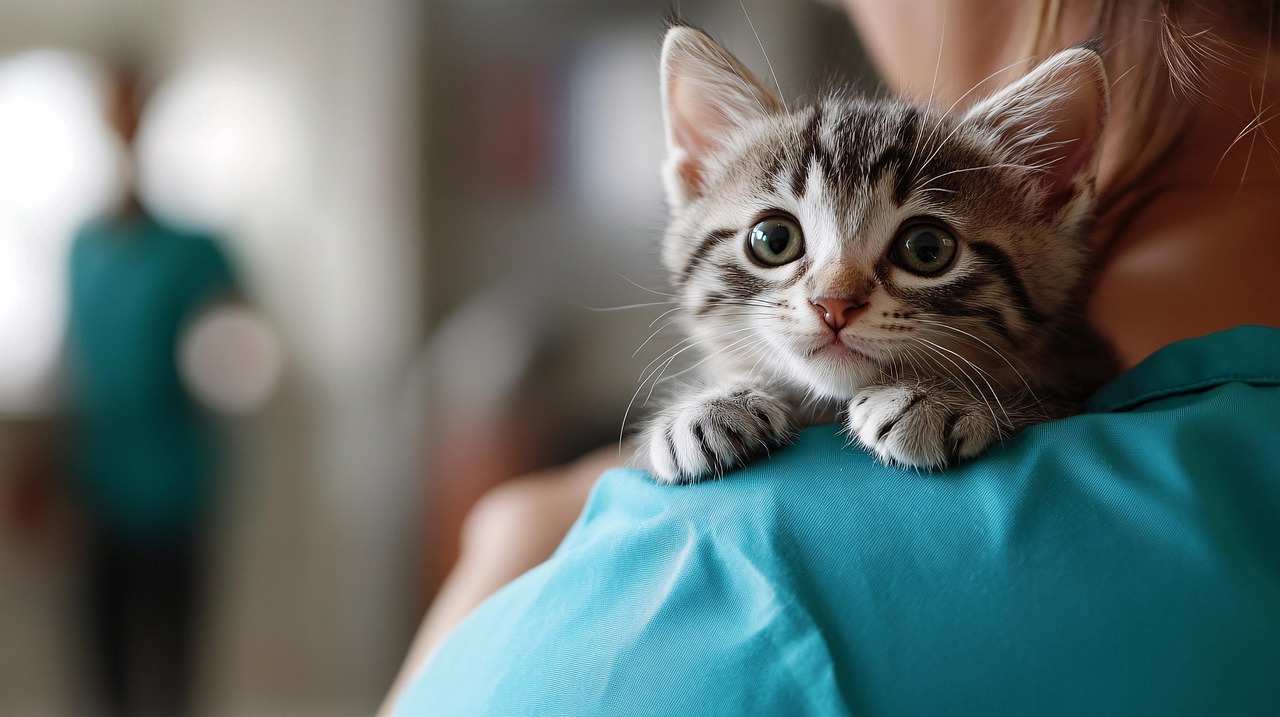

Teaching Your Cat to Respond Calmly to Vet Handling
Taking your feline friend to the veterinary clinic can be a stressful experience for both cats and their owners. Teaching your cat how to respond calmly during these visits is essential. Start by making handling a positive experience at home. Using treats and gentle petting can help your cat associate handling with positive feelings. Create a safe environment where your cat feels comfortable. Gradually introduce them to being touched, which can include handling their paws, checking their ears, or lifting their tail. This will mimic the vet’s examination, making it more familiar. Use a calm voice and soothing tones during these practices. Familiarizing your cat with different types of pet carriers also helps ease anxiety. Designate the carrier as a safe space by leaving it out at home with treats inside. Allow your cat to enter and exit freely so that it doesn’t feel trapped. Remember, repetition and patience are key elements in this learning process. Don’t rush through these steps; it may take time, but both you and your cat will benefit immensely from it in the long run.
When preparing for a vet visit, visiting beforehand can be incredibly beneficial for your cat. The aim is to help your feline associate the clinic with a safe place rather than a stressful one. Accompany your cat to the clinic when it is not appointment time. Allow them to explore the waiting room, letting them sniff, and observe their surroundings. This familiarity becomes essential during their first actual vet visit. Consider using a calming spray made specifically for pets, which can soothe anxiety levels associated with car rides and new environments. Another effective tip is to keep the vet visits short and simple initially. A minor check-up can reinforce positive behaviors without overwhelming your cat. After the exam, reward them with a favorite treat or toy to build positive associations. Be sure to maintain a gentle and reassuring demeanor throughout the process. Cats are highly sensitive to human emotions, so remain calm during these visits. It’s equally important for the vet staff to be understanding and gentle while handling. Your cat will respond positively when they sense a harmonious environment around them. This will lead to a much smoother experience for everyone.
Using Training Techniques to Enhance Comfort
Employing training techniques can minimize fear and stress during vet visits. Start by establishing a consistent routine that includes regular handling and socialization outside the vet context. Consider clicker training, which reinforces positive behavior through sound and treats. Begin training your cat to associate the click sound with good outcomes, such as receiving a treat. Gradually introduce clicker training during handling sessions to make them more enjoyable. This also boosts your cat’s confidence and helps them associate various elements of vet visits with positive responses. Always celebrate small achievements with lots of praise and treats. For example, if your cat allows you to check their teeth, click and treat! Mimic the vet process at home by checking their temperature or examining their ears. This practice can create familiarity with uncomfortable situations. Moreover, consider simulating the car ride before the actual vet visit. Allow your cat to become accustomed to entering the carrier without the stress of imminent vet visits. Over time, these consistent, pleasurable experiences will enhance your cat’s comfort level and reduce anxiety during actual visits, setting the stage for a successful outcome.
Another important factor is the relationship between your cat and the vet. Research local vet offices and find a veterinarian experienced in feline care. Not all vets are equally skilled at handling cats, which can seriously influence your cat’s experience during visits. When interacting with the vet, ensure they are familiar with calming techniques, such as gentle handling and positive reinforcement, while examining your cat. A good vet often understands that cats may react fearfully and uses techniques to help minimize the stress associated with examinations. Consider scheduling appointments during times when the clinic is less busy, so that your cat faces fewer stimuli. Try to remain calm during your visits and reinforce that tranquility through your body language and tone of voice. If your cat senses that you are relaxed, they will likely feel the same way. Moreover, don’t hesitate to advocate for your pet’s needs. Communicate your observations about any signs of fear or anxiety. A dedicated vet will listen and adapt the appointment to make it as stress-free as possible for your feline friend.
Post-Visit Rituals for Comfort and Reassurance
After the vet visit, it’s crucial to engage in reassuring practices that help your cat relax. Return home and immediately provide a calm environment where they can decompress. Consider creating a favorite spot in your house where your cat can retreat and feel safe after the vet experience. This can be a cozy bed, a designated corner with toys, or simply a quiet space away from whatever caused stress before. Engage in gentle playtime or quiet interaction, allowing your cat to feel the comfort of your presence. Offering treats or their favorite meal during this time can also help create positive reinforcement associated with the outing. You might even want to recreate the pleasant experiences at home, such as gentle brushing or petting. This routine can effectively transition them from the stress of a vet visit back to their normal serene self. Gradually, such rituals transform mundane vet visits into manageable experiences, significantly alleviating anxiety. Comforting your cat fosters a secure bond, ensuring they trust you and know they’ll feel safe following visits to the vet.
In addition to the practices outlined, keep in mind that each cat has its unique personality. Tailor your approach to fit the specific needs and behaviors of your cat. Some cats respond well to assertive training styles, while others thrive on a gentler approach. Pay attention to your pet’s signals and observe their reactions throughout the acclimatization process. Also, consult with professionals who offer behavioral training or enrichment tailored to specific feline needs. They can provide insights on effective strategies based on your cat’s behavioral traits. For example, some cats may require more extensive socialization, while others might benefit from gradually facing various stimuli. This journey is not just about getting your cat comfortable with vet handling; it’s also about promoting positive interactions overall. Building this foundation can lead to increased confidence and less resistance during necessary handling. Remember, patience prevails: if you encounter setbacks, don’t hesitate to slow down and revisit previous steps with your cat. Regular, confident interactions will make vet visits an easier task for both you and your feline friend.
Conclusion on Creating a Positive Vet Experience
In summary, teaching your cat to respond calmly to vet handling is a multifaceted process. It involves gradual training, creating positive associations, and ensuring that both your cat and veterinary staff work together harmoniously. Emphasizing comfort post-visit is equally vital in solidifying that trust and connection you want to develop with your feline. Always remain attuned to your pet’s individual responses and adapt your strategies to suit their needs effectively. This customized approach will yield the best results in reducing stress around veterinary visits. The ultimate goal is to foster an environment where your cat does not only tolerate vet visits but also recognizes them as part of a caring routine. Such efforts contribute to better overall health and welfare for your cat. Remember, while the journey may require time, the payoff is a cat that feels secure, content, and confident regarding vet visits. An enriching experience for both you and your pet creates a positive atmosphere that translates into a healthier relationship and ultimately improves their quality of life.