
The Art of Photographing Working Dogs in Their Element
Photographing working dogs can be a fulfilling yet challenging experience. These dogs, whether herding sheep, assisting police, or helping in search and rescue, display remarkable energy and focus. Capturing their essence requires knowledge of both photography and the unique personality traits of these breeds. To begin, familiarize yourself with the specific working dog breed you are photographing. Understanding their behavior and energy will help you plan your shots effectively. Before the shoot, spend time observing them in action. Look for dynamic moments that showcase their skills and essence. Patience is key; waiting for the perfect split second can yield stunning photographs. Additionally, consider the environment where these dogs work. A natural setting with good lighting will enhance the quality of your photos. Use natural sunlight whenever possible, as it provides better contrast and textures. Aim to capture wide shots that depict the dog in action within their space, as well as close-up shots that highlight their expressions. Always be prepared to adapt your approach as circumstances change during the shoot to ensure you catch those unique moments.
Once you start photographing working dogs, composition becomes critical. This refers to how elements in your photograph are arranged. A strong composition can turn a good image into a great one. Use the rule of thirds to create visually compelling images. For example, instead of placing the dog always in the center, position them off to one side. It can create a sense of movement and direction in your photograph. Whichever angle you choose, ensure you stay at the dog’s level; this perspective invites viewers into their world and can evoke emotions. In addition, using leading lines can guide the viewer’s eye towards the subject. Try to find paths, fences, or trails that lead towards the working dog. Not only does this technique enhance the composition, but it can also add depth to your photographs. Another aspect to consider is incorporating the dog’s surroundings into the narrative. Show elements of their work environment to provide context and tell a story in your images. Ultimately, the more thoughtfully you compose your shots, the more powerful the final images will be.
Utilizing the Right Equipment for Success
When it comes to photographing working dogs, having the right equipment is essential. A camera with fast autofocus capabilities helps capture fleeting moments of action. Besides a DSLR, a mirrorless camera is also excellent for its versatility and lightweight design. A lens with a fast aperture, such as f/2.8 or wider, is crucial for taking pictures in various lighting conditions. Telephoto lenses can be particularly beneficial, offering the ability to photograph from a distance without disturbing the dog. This distance allows you to capture more natural and authentic behaviors. A lens hood can also help reduce glare and lens flare in bright conditions. Furthermore, investing in a sturdy tripod can stabilize your shots during challenging lighting conditions. However, be prepared to shoot hand-held, as working dogs often require quick movements. Make sure you also bring extra batteries and memory cards, as photographing animals can lead to unexpectedly long sessions. Finally, experiment with different settings on your camera. Adjusting ISO, shutter speed, and aperture can lead to improved results, ensuring you are fully equipped to capture each action-packed moment.
Mastering Timing and Patience in Your Shots
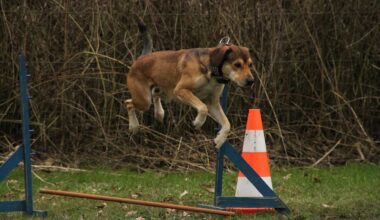
Mastering timing is one of the most crucial elements in photographing working dogs. These dogs are often on the move, making it essential to anticipate their actions. Watching their behavior closely allows you to identify patterns and plan your shots accordingly. For instance, if a dog is herding sheep, observe when they take off to chase them. This technique helps you press the shutter button at just the right moment. Continuous shooting mode is valuable in this regard, as it takes multiple images in quick succession, increasing your chances of getting that perfect shot. Additionally, patience is vital when capturing working dogs; they might be resting or playing before jumping back into action. Instead of forcing a capture right away, take a moment to breathe, observe, and wait for the right opportunity. Sometimes, the best photos happen while simply waiting for spontaneous moments. Employing bursts of action can help you achieve more fantastic images, as you will document their vibrant energy effectively. Ultimately, balancing timing, patience, and anticipation will enhance your photography skills significantly.
Another vital aspect of photographing working dogs is to become attuned to their unique personalities. Each working dog has its distinct traits shaped by their breed and role, and capturing these quirks in your photos can make your work stand out. Observe how a dog interacts with its handler or its surroundings. These interactions are often full of emotion and help convey stories through your images. Using a just a camera can miss out on these feelings. You can evoke joy, determination, and loyalty in your shots by focusing on moments that highlight their bond with handlers. Since working dogs thrive on their tasks, document their achievements, such as completing a rescue or herding sheep. Lord’s activities and achievements can be showcased in their best light through well-thought-out compositions. Look for genuine interactions that express their personalities. Additionally, capturing the dogs at various stages of their work can build visual narratives showcasing their impact. Overall, finding ways to showcase the connection between working dogs and their tasks through images significantly adds emotional depth to your photography.
Editing for the Perfect Finish
Editing is as crucial as capturing the images when photographing working dogs; it allows you to enhance your shots and bring out the best in your captured moments. Start by selecting the best photos from your shoot, focusing on those that showcase the dog’s energy and character. Use editing software, such as Adobe Lightroom or Photoshop, to adjust your shots comfortably. Begin with basic adjustments, like exposure and contrast, ensuring the details are clear. Cropping can further improve your composition and highlight your subject more effectively. Utilize sharpening tools to enhance the dog’s features, ensuring they stand out in the photo. Incorporating a slight vignette can also draw attention to the center of your image while subtly fading out distractions along the edges. Colors may benefit from adjustments to saturation and vibrancy to create a more eye-catching photograph. Consider applying filters or presets that align with your style, but avoid overusing them; authenticity is key. Ultimately, while editing improves your photos, ensure the final product remains true to the real-life energy of the working dogs.
In conclusion, photographing working dogs is a delightful challenge that requires a mixture of skill, patience, and understanding of the dogs themselves. You can turn ordinary images into extraordinary stories through thoughtful planning and observation. By becoming familiar with the working dog’s breed, behavior, and how they interact with their environment, you’re better equipped to capture their essence. Remember to concentrate on composition, ensuring the dog’s dynamic action and emotive moments shine through. Using the right equipment will greatly enhance your shots, while timing and patience play crucial roles in capturing these fleeting glimpses of energy. Don’t forget to explore their personalities through genuine interactions; this emotional element adds depth to your work. Finally, through careful editing, you can polish your photographs, enhancing their beauty without losing authenticity. As you practice and refine these skills, remember that the more time you spend around working dogs, the better you’ll become at capturing their extraordinary spirit through your lens.