
The Role of Toys in Puppy Socialization
When welcoming a puppy into your home, it’s crucial to understand the importance of toys in their development. Toys serve multiple purposes, including promoting socialization skills in your pup. Interacting with toys helps puppies learn how to engage with their environment and develop their motor skills. They also provide an outlet for energy and can alleviate the stress puppies might feel in a new setting. By providing various toys, you encourage your puppy to engage in imaginative play. A mix of squeaky toys, soft plushies, and chewable items caters to different needs. This variety ensures that your puppy doesn’t get bored easily and keeps their interest piqued. Furthermore, when puppies play with toys, they learn valuable lessons about sharing and interacting. They often learn to take turns, especially when playing with other pets or humans. As they grip and retrieve toys, puppies enhance their physical coordination. By using toys for these activities, you foster their growth while also establishing a comforting routine that can further ease their transition into a new home. Remember, choosing the right toys can significantly impact your puppy’s learning journey and social skills.
Toys promote safe exploration and mental stimulation for puppies. Engaging toys pique their natural curiosity and encourage them to explore their surroundings safely. When puppies have access to different types of toys, they develop problem-solving skills as they figure out how to manipulate them. Interactive toys, such as puzzle feeders, can enhance cognitive function by encouraging dogs to think critically about how to access rewards. Social interaction is another benefit. When you play with your puppy using toys, you strengthen your bond and formulate trust between you two. This shared experience builds confidence in the puppy, nurturing their behavior in social settings. Moreover, toys can provide comfort and reduce anxiety when left alone. A familiar toy can serve as a source of security for a puppy adapting to their environment. Offering these items during transitions or new experiences is important. Daily playtime is vital for healthy growth, so consistency is essential. Participate in their play to encourage social skills. Choose interactive play, such as fetch or tug-of-war, so your puppy learns essential skills in a supportive environment. Overall, toys are a key component in a puppy’s growth and emotional well-being.
Types of Toys That Promote Socialization
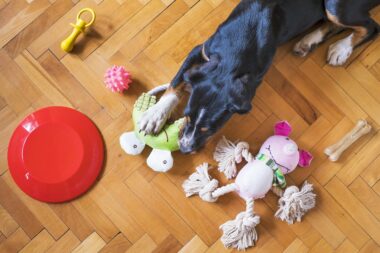
When selecting toys for your puppy, consider a variety of types to support socialization. Soft toys offer comfort, especially for new puppies in unfamiliar settings. They provide a sense of security as they cuddle and chew on them. Squeaky toys can stimulate excitement and encourage lively play. This triggers natural predatory instincts, where puppies chase and capture their toys like prey. Chew toys serve the dual purpose of satisfying teething urges while keeping your pup engaged and entertained. It is vital to monitor which toys are appropriate for their age and size. Rubber toys are ideal as they are durable and easy to clean. Tugging toys encourage interaction between dogs and humans, promoting teamwork and exercise. This also teaches your puppy the social cues needed for respectful play. Avoid toys with small parts that could pose choking hazards. Invest in different textures and shapes to explore tactile experiences. Rotate toys to create new challenges and keep your pup engaged. By providing varied experiences, you ensure your puppy’s mental stimulation is top-notch, assisting their growth in social behavior.
In addition, utilize toys to encourage positive reactions with other pets and people. When introducing your puppy to new experiences, use toys to establish a positive association. For example, when meeting other dogs, a toy can facilitate interaction and play without forcing it. This relaxed atmosphere encourages naturally friendly behaviors. Furthermore, interactive toys can be utilized when your puppy meets other pups in a controlled environment. Gradually introducing them while using toys ensures that associations are positive rather than overwhelming. This approach helps in assessing how your puppy interacts socially. Once your puppy understands social cues and boundaries, they will develop better communication skills with their peers. Toys act as social facilitators during these introductions, making the experience less intimidating. Always supervise play, especially during interactions with unfamiliar dogs. By observing body language, you can intervene as necessary to ensure safe and healthy interactions. This way, you can guide your puppy in their learning and encourage appropriate behaviors while building confidence. Ultimately, socialization through playtime is a rewarding journey that can lead to confident dogs ready to engage in various environments.
Conclusion: The Lasting Impact of Play on Development
In conclusion, toys play a critical role in a puppy’s socialization, emotional growth, and overall development. Providing a well-rounded selection of toys offers numerous benefits that impact their learning experience in positive ways. Engaging with different types of toys fosters creativity, comfort, and confidence within your puppy. Regular playtime can improve behavioral skills like sharing, patience, and turn-taking, creating a foundation for future social interactions. Taking the time to understand your puppy’s preferences allows you to select toys that align with their personality and interests. As their confidence grows through repeated interactions with engaging toys, your puppy will benefit from improved social skills, leading to balanced behavior in various settings. Toys not only serve the practical purpose of entertaining your puppy but also contribute significantly to their emotional resilience. Furthermore, actively engaging with your puppy during playtime reinforces your relationship and enhances their ability to trust humans and other animals alike. The investment you make in selecting quality puppy toys can yield lasting dividends in your dog’s future temperament and interactions with the world. Your role as a caregiver is to provide guidance through play learning experiences.
It’s essential to remember that socialization isn’t a one-time task, but rather an ongoing process that evolves as your puppy grows. Regularly introducing new toys, environments, and social situations is vital to refine your puppy’s interaction skills continually. Engage with your puppy using different toys to promote ongoing learning and flexibility in their social interactions. Keep in mind that patience is key during this journey. Some puppies may take longer to adapt to new experiences, so allowing them to explore at their own pace is crucial. You can encourage exploration through games, gradually introducing new toys or stimuli in a controlled manner. Observe your puppy’s responses and be ready to provide support when needed. Building a foundation of trust while emphasizing the importance of toys can result in well-adjusted, confident dogs ready for the challenges of life. The time invested in socialization through play will pay off immensely in the form of a happy, socially competent companion. So, make playtime a bonding experience and an opportunity for growth, and watch your puppy thrive!
Final Thoughts: Making the Most Out of Playtime
As you embark on this rewarding journey with your new puppy, always strive to create enriching and enjoyable environments through interactive play. The role of toys extends beyond mere fun; their influence on social skills, behavioral development, and emotional well-being is profound. In conclusion, ensuring you have a variety of toys available allows for the fulfillment of different aspects of your pup’s growth. Playtime is not just a leisure activity; it is an essential aspect of establishing a resilient and well-rounded puppy. In addition, frequently rotating toys, exploring new options, and conducting play sessions can keep your puppy engaged and entertained. Play also creates a space for bonding, which is vital for trust and companionship. Remember that through such experiences, your puppy learns essential lessons that shape their future social interactions. With the skills learned during these early days, they will grow to become positive members of their communities. Engaging with them not only bolsters their learning experience but also creates valuable memories. Enjoy the journey and embrace the joy that comes from nurturing and training your new furry friend!
Overall, incorporating thoughtful and suitable toys in your puppy’s life will foster social skills and encourage healthy interactions. Adequately engaging your puppy during playtime builds essential skills students learn in dog parks and social scenarios. From strengthening bonds to developing confidence, playtime is crucial in shaping their behavior. So, invest in good quality, fun, and stimulating toys that resonate with your puppy’s personality. By ensuring an assortment of toys, you create a conducive environment for ongoing learning and growth. Gradual exposure to varied experiences and interactions with other dogs helps them adjust more easily to social situations. Notably, always prioritize their safety by selecting age-appropriate toys deemed safe by manufacturers. Remember that the foundation you lay during this early stage significantly influences their adult behavior. Socialized dogs are happier, healthier, and live fulfilling lives. Above all, nurturing your puppy through thoughtful playtime experiences creates lasting bonds and confident companions. Regular interaction lays a strong groundwork for a well-behaved dog that brings joy into your life. Together, you and your pup can thrive as they explore and navigate the world with appropriate guidance.