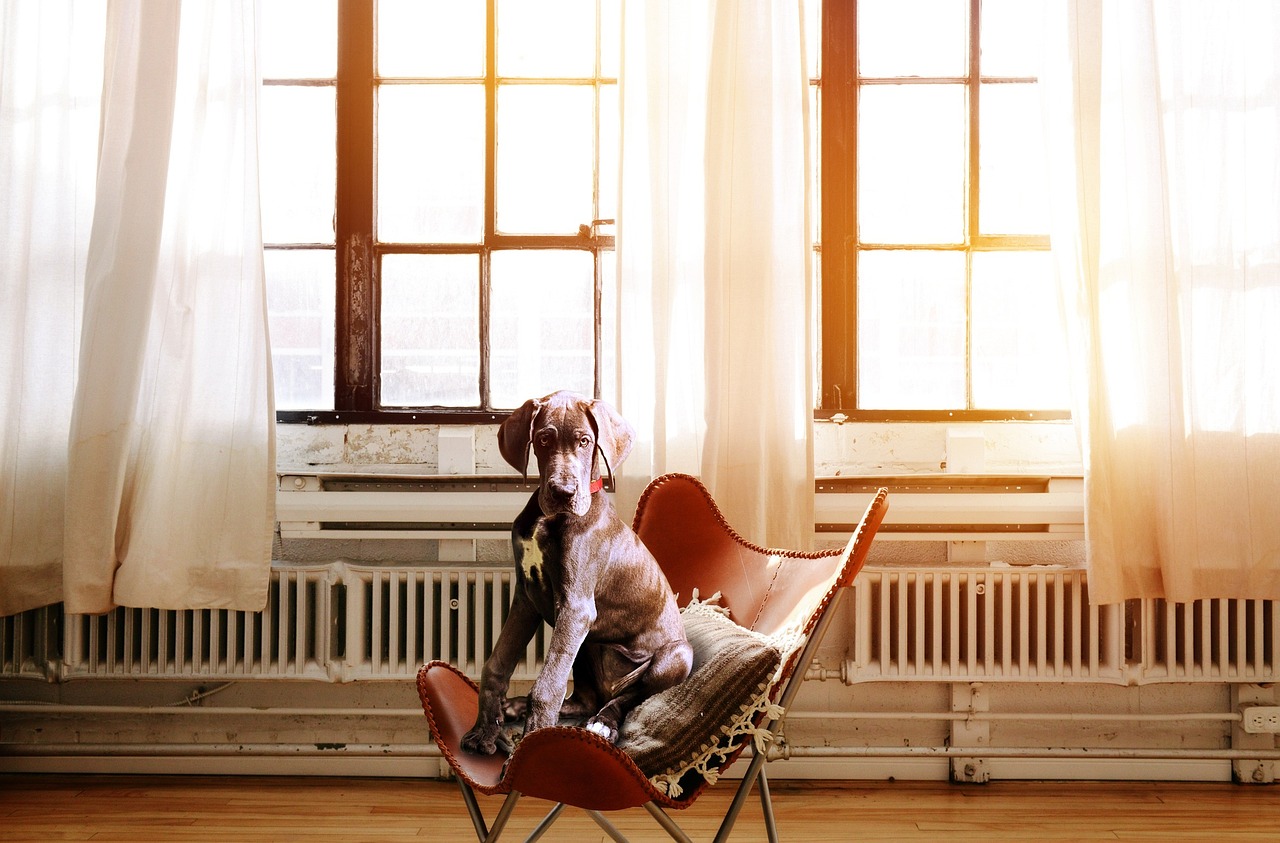

Training Your Great Dane: Effective Techniques and Tips
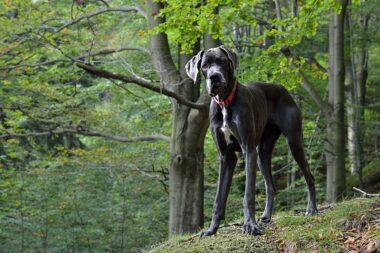
Training a Great Dane can be a rewarding experience for both the owner and the pet. These giant dogs are known for their gentle demeanor and intelligence. However, they need training to harness their energy effectively. The first step in successful training involves establishing clear boundaries. Dogs thrive when they understand what is expected of them. Consistency is crucial in this process. Commands should be the same every time you give them. Positive reinforcement is an effective training method for Great Danes. This involves rewarding your dog for good behavior rather than punishing them for bad behavior. Treats, praise, or playtime can encourage the desired action. Starting training early, ideally during puppyhood, is vital. This ensures that bad habits do not form. Regular, short training sessions can maintain their attention and interest. Additionally, socialization is necessary for Great Danes. Exposing your puppy to different environments, sounds, and people can help them grow into well-adjusted adults. Attending obedience classes may be beneficial, providing professional guidance on handling these large breeds.
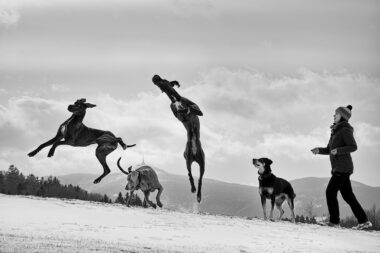
Understanding your Great Dane’s unique personality traits is essential for effective training. These dogs can exhibit stubbornness, which might challenge new owners. By recognizing their independent nature, you’ll be better prepared to adapt your training techniques appropriately. Routines are vital for a Great Dane. Bringing structure into their lives through set feeding and exercise times can help them feel secure. Ensure you provide ample daily exercise, as physical activity is crucial for their well-being and helps reduce behavioral issues. It’s also essential to keep training sessions engaging and fun. Using varied techniques and games can capture their interest. Regularly include new commands or tricks during these sessions to keep their minds active. Since Great Danes are large and powerful, teaching them proper leash manners is a must. This will prevent pulling or jumping when out for walks. Furthermore, socializing your Great Dane with other dogs can be an enjoyable activity. Arrange playdates with smaller, well-behaved dogs to ensure positive interactions. This helps build their confidence and teaches appropriate doggie communication.
Handling Behavioral Issues
Behavioral issues are common in many dog breeds, including Great Danes. Addressing these problems promptly can prevent them from escalating. One typical issue many owners face is separation anxiety. This can manifest through excessive barking, chewing, or destructive behavior when left alone. Gradual desensitization can help your Great Dane feel more comfortable when you’re not home. Start with short absences and slowly extend the time. Another common issue is jumping up on people. Great Danes might not realize their size and strength, which can be intimidating. To manage this behavior, it’s crucial to redirect them with an alternative behavior, such as sitting. Reward them when they comply. Excessive barking can also be a concern. Identifying triggers and curbing this behavior through commands and rewards will significantly reduce unnecessary barking. If your Great Dane is fearful or aggressive towards other dogs, consult a professional trainer who can guide you in addressing these issues effectively. Remember, patience and understanding are essential while working through behavioral issues. Each dog learns at their own pace, so celebrate even small victories.
Incorporating mental stimulation into your Great Dane’s routine is equally vital as physical exercise. Activities like puzzle toys, scent sniffing games, or basic agility courses can keep their minds sharp. Introducing these activities can also help alleviate boredom-related behaviors, which is especially important in a large breed that requires ample stimulation. Regular interactive playtime, such as fetch or tug-of-war, can strengthen your bond while also offering valuable exercise. As they master commands, you can introduce more advanced tricks that challenge their intellect. Varied activities will maintain their interest and promote active thinking. Additionally, consider enrolling your Great Dane in dog sports or classes to stimulate them and socialize them with other canines. Obedience training, agility, or even therapy dog training can provide productive outlets for their energy. A mentally engaged dog is often a well-behaved dog. Rewarding them with affection or special treats when they complete tasks will encourage them to continue learning. Provide routines that include both physical and mental exercises, as balance is key for the overall well-being of your Great Dane.
Importance of Diet and Nutrition
Nutrition plays a significant role in your Great Dane’s training and overall health. Proper diet maintains their energy levels and supports muscle growth, which can directly influence their ability to learn. Consult your veterinarian for recommendations on the best quality dog food suited to their specific needs. Monitor their weight and adjust their food intake accordingly, as obesity can lead to various health issues in giant breeds. Feeding your Great Dane in intervals can help regulate their energy and prevent overeating. Offer healthy treats during training sessions, as these can motivate them to learn more quickly. Consider homemade treats using quality ingredients, which can be healthier than standard store-bought options. Hydration is another essential factor; always ensure your dog has access to fresh water, especially after physical activities. Incorporating supplements like omega fatty acids and glucosamine may benefit their joint health as they mature. Regularly check their body condition to ensure they remain at a healthy weight. Your commitment to providing the right nutrition will contribute significantly to your Great Dane’s training success and overall quality of life.
To maintain your Great Dane’s mental and physical health, consider regular veterinary check-ups and vaccinations. Preventive care can help identify potential health problems before they become serious. Input from veterinarians can guide you through necessary dietary adjustments or alterations to a training plan, ensuring your dog remains in optimal shape. Additionally, dental care should not be overlooked. Proper dental hygiene promotes overall health and well-being. Recognize the importance of regular brushing or dental chews specifically designed for dogs. Neglecting oral health can lead to further complications down the road. As your Great Dane ages, regular monitoring of their physical capabilities becomes essential. Adapt your training methods and expectations to accommodate changing energy levels or mobility issues. Tracking your dog’s progress throughout its training helps identify what methods work best. Always be prepared to adjust your approach, depending on your Great Dane’s unique needs and preferences. The relationship you build through training and routine life will ensure a strong bond between you and your Great Dane. Staying attuned to their needs will pave the way for a fulfilling and happy life together.
Final Tips for Success
In summary, effective training for your Great Dane requires patience, consistency, and an understanding of their unique temperament. Building a strong foundation early on in their lives will undoubtedly lead to better results as they grow. Engaging your dog in regular training sessions will reinforce essential commands while also providing mental stimulation. Make sure to celebrate their achievements, no matter how small, as positive reinforcement fosters a loving environment. Remember that training should always be an enjoyable experience for both you and your furry companion. Utilize various rewards to keep their motivation high, including treats, praise, or playtime. Be mindful of your dog’s energy levels and adjust training durations accordingly. In fostering an open line of communication, you enable your Great Dane to understand your expectations. Join local dog training clubs or online forums to learn more effective techniques from other Great Dane owners. Their experiences can provide valuable insights and success stories to inspire your training efforts. Ultimately, investing time and effort into your Great Dane’s training will lead to an incredibly rewarding partnership.
Enjoying the journey of training your Great Dane can be immensely fulfilling. Each stage in your dog’s life presents new opportunities for growth and bonding. Consequently, embracing patience and flexibility throughout your interactions will yield meaningful training experiences, ensuring a happier, more balanced home. Establishing yourself as a consistent leader can significantly influence your dog’s behavior and receptiveness to training commands. Great Danes thrive with their families and, when properly trained, can become wonderful companions. Finally, remember that the goal of training extends beyond mere obedience. It is about establishing a connection built on trust and mutual respect. Through training, you can cultivate a lifelong bond that promotes understanding, cooperation, and love. Revel in the moments of successes and remember to equip your Great Dane with the tools they need to navigate through life. The satisfaction of watching your dog learn and grow will be immensely gratifying. Take the time to enjoy training alongside your Great Dane, capturing the joy of those shared moments. In doing so, you solidify your relationship and gift your dog the skills they need to thrive.