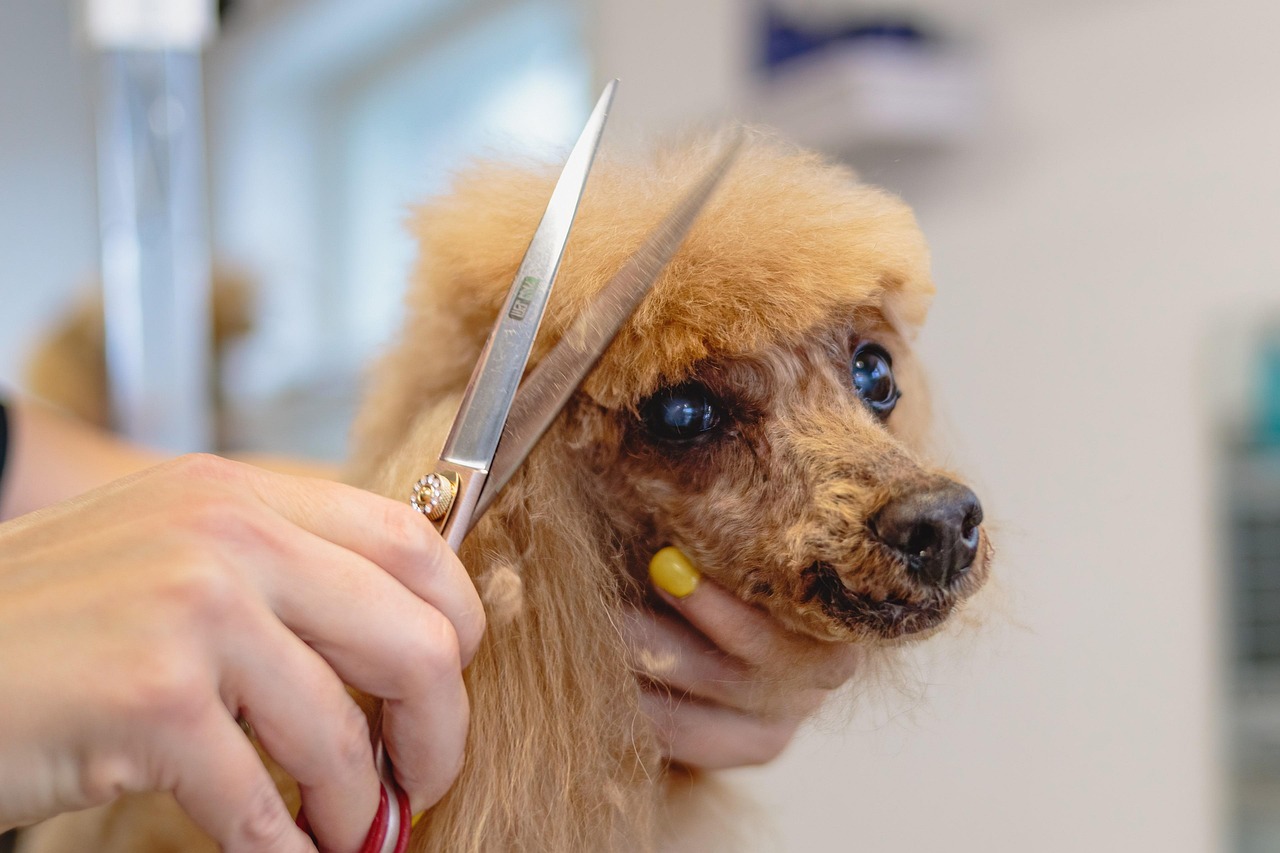

How to Achieve a Professional Finish Using Grooming Scissors
Grooming your dog is an essential part of their care and well-being. However, knowing how to use clippers and scissors effectively can make a significant difference in the final appearance of your dog. Start by investing in high-quality grooming scissors specifically designed for dogs; these scissors will ensure a smoother, more professional finish. Before beginning your groom, it’s vital to have a good understanding of the breed’s grooming standards and styles. Different breeds have unique coat textures, lengths, and cuts that are preferable for their specific look. Prior to using any tools, ensure your dog is comfortably positioned. Keeping them calm is crucial; use treats or a comforting tone while grooming to help. Regularly brushing your pet before using scissors can also help eliminate loose hair and tangles, making the grooming process more manageable. Take your time as you work through the coat, using various scissors for different areas. For example, blending scissors can give a more natural look. Having the right grooming equipment will drastically improve your grooming skills and your pet’s appearance.
Next, it’s important to choose the right scissor types for your grooming tasks. There are many types of grooming scissors available. Each type serves a specific purpose, influencing the final result. For instance, straight scissors are ideal for basic trimming and finishing touches, while curved scissors can help shape your dog’s coat around the head and legs. Thinning shears are great for blending and decreasing bulk in thick coats, which can lead to a more polished finish. Understanding how to hold scissors properly is essential; maintain a firm grip while also being gentle. Positioning the scissors at the correct angle is necessary to achieve precise cuts. Avoid cutting too much at once. Instead, focus on small sections to create a more controlled appearance. Gradually build up length to match the desired style. Remember to frequently step back and assess your work from different angles; this practice can prevent uneven cuts. If you’re unsure, consider practicing on a stuffed animal first. This way, you can build your confidence and perfect your technique before working on your dog’s coat.
Preparation and Safety in Grooming
Before grooming your dog, preparation is key to ensuring a smooth process. Start by gathering all necessary tools, which should include grooming scissors, clippers, a slicker brush, and possibly a comb. It’s also wise to set up a clean, well-lit workspace where you can both see and access everything required during the grooming session. Ensure the area is free of distractions for your pet to help maintain their focus. It’s also crucial to check your dog’s health and comfort levels before starting. Ensure they are not stressed or anxious. Having a familiar environment can greatly aid in reducing any nervousness that your dog may feel about grooming. Always ensure to keep your dog secure during the grooming process, especially when using sharp tools. You can use a grooming table with a noose to keep your pet steady and to prevent excessive movement. Keeping a gentle hand and speaking reassuringly to your pet can help create a more pleasant experience for them. This preparation contributes to a more successful grooming session and encourages a relaxed attitude in your furry friend.
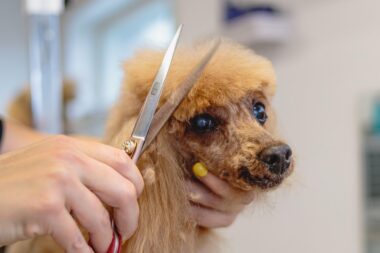
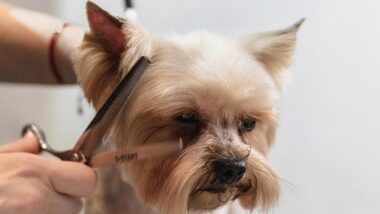
When using clippers and scissors, mastering the right techniques is essential. Holding scissors correctly can affect the cut’s precision and safety. Use your thumb and ring finger in the loops of the scissors, allowing you to control them with your index finger. This grip promotes better balance. Begin by ensuring your dog’s coat is clean and completely dry before working with scissors. Wet fur can stick together and create uneven cuts. Begin trimming in small sections, using gentle movements to reduce the risk of accidental cuts. Maintain an even pace; rushing can result in mistakes. For the best results, constantly comb your dog’s fur as you cut, ensuring you can see the final shape you’re creating. Use blending scissors for a natural look around the edges rather than directly trimming all the fur short. Invest time in learning basic grooming techniques, as this will enhance your efficiency and improve your grooming outcomes. With practice, you’ll become adept at maneuvering scissors through the coat, achieving a beautifully finished appearance that will leave your dog looking fantastic.
Post-Grooming Care
Finally, post-grooming care is just as crucial as the actual grooming itself. After you finish, take the time to clean your grooming tools thoroughly. Regular maintenance of your equipment will prolong its life and effectiveness. Ensure you wash the scissors and clippers to remove any hair and debris. Keep them lubricated to maintain their sharpness and function. After the grooming session, check your dog for any cuts, irritations, or discomfort caused during grooming. If you find any, treat them appropriately. A gently moisturized coat can also aid in maintaining health. It’s essential to brush your dog daily after a grooming session to help maintain the sleek and polished look you’ve created. Also, consider introducing your dog to positive reinforcement after grooming by providing treats or extra playtime; this helps them associate grooming with positive experiences. In addition, baths should be scheduled regularly, as a clean coat can help you achieve better results at each grooming session. Remember, a well-groomed dog is not just visually appealing but is also healthier and happier.
The grooming environment is another aspect that often gets overlooked but plays a significant role in how your grooming session progresses. It’s advisable to work in a calm and quiet space, free from loud noises and distractions during grooming. This atmosphere can significantly reduce anxiety for both you and your dog. To further enhance comfort, consider using a non-slip mat under your dog’s feet to keep them stable. Giving your dog breaks during the session is beneficial too, allowing them to relax and reset in between trimming different areas. Pay attention to your dog’s body language; if they’re becoming anxious or agitated, it may be time to take a pause. Regular grooming at home can also foster a positive relationship between you and your pet. Start with short sessions and gradually increase the duration as they become more accustomed to the process. This familiarity will ease their anxieties over time. Overall, a soothing environment combined with patience and understanding will not only improve your dog’s grooming experiences but also your performance as a groomer, ultimately resulting in a wonderfully groomed pet.
Conclusion
In conclusion, achieving a professional finish with grooming scissors requires both practice and knowledge. As you become familiar with your tools and techniques, your confidence will grow. By properly preparing for the grooming session and understanding your dog’s unique needs, you can achieve fantastic results. The right positioning, gentle approach, and attention to technique will allow you to work safely and effectively. Always keep in mind the essential role that post-grooming care plays in maintaining the quality of your dog’s coat. Additionally, creating a calm environment can significantly improve the grooming experience for both you and your pet. Remember that every groom is an opportunity for bonding. Celebrate your successes and be patient with any struggles. With consistent practice, you will hone your skills to become proficient in dog grooming using scissors and clippers. Embrace the art of grooming as a rewarding journey that benefits not just the pet’s appearance but also enhances your bond. Your dog will appreciate the love and care that goes into every grooming session, resulting in a happy and healthy companion.