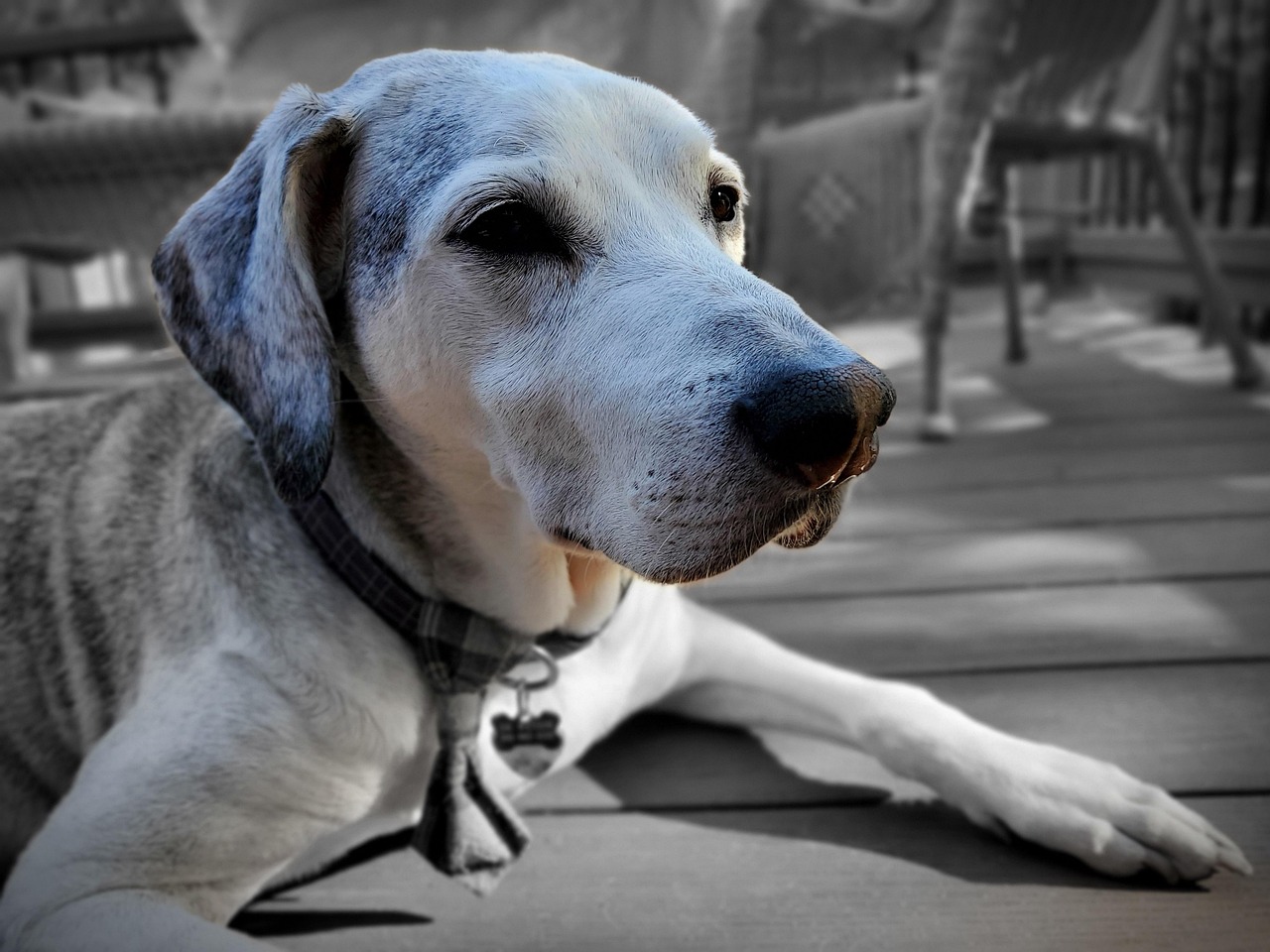

How to Comfort Your Senior Dog During Dental Treatment
Dental health is crucial for your senior dog’s overall well-being. As dogs age, they may experience various dental issues that require treatment. This can be a painful and stressful journey for them, so being attentive to their comfort is essential. Begin by creating a calm environment at home beforehand. You can play soft music, make a cozy space with their favorite blanket, or use calming pheromone sprays. All these can help ease their anxiety. It’s also wise to maintain a routine that involves gentle handling of their mouth to prepare them for potential procedures. This allows them to become accustomed to you touching their gums and teeth, which can help alleviate fear during dental visits. Additionally, engage in positive reinforcement, offering treats or praise to build a positive association with dental care. A senior dog’s dental treatment may include anesthesia, which can heighten anxiety levels, so it’s crucial to have a support system at your vet’s office. Ensure that the vet is experienced in handling senior dogs.
After scheduling dental treatment, ensure to discuss any health concerns your senior dog may have with the veterinarian. This includes medications they may be on, medical history, and any specific anxieties or fears they exhibit. If your dog has mobility issues, for example, the vet can consider this before the treatment. Preparing for the day involves limiting your dog’s food intake as advised by your vet, especially if anesthesia is required. Following the vet’s instructions is paramount for safety. On the day of the procedure, keep your dog calm and hydrated, offering comforting interactions. Bring a favorite toy or blanket to help soothe their nerves while at the clinic. It can be reassuring for them to have a piece of home during such a stressful time. If your vet allows it, stay with your dog until they are sedated, as your presence can be a source of comfort and support. Moreover, talk to your dog in soothing tones. This connection can help make the visit less intimidating. Be patient with your dog during recovery.
Post dental treatment care is vital for ensuring a smooth transition back to normalcy. After anesthesia, your senior dog might feel groggy or confused, which is completely normal. Create a quiet, secure space for them to rest as they recover from the procedure. Offer them soft, easily digestible food as their mouth may be sensitive. Gradually reintroducing regular food can help them regain their appetite. Moreover, ensure they have access to plenty of water while avoiding hard kibble or treats that could cause discomfort. Keep an eye on their behavior for any signs of pain or excessive drooling, which could indicate a problem post-treatment or the need for pain relief medication prescribed by the veterinarian. Maintain regular follow-ups with your vet to monitor their dental health as well as their overall health. Make sure you follow your vet’s recommendations regarding oral hygiene for senior dogs. This is essential for preventing future dental problems and ensuring their comfort during subsequent treatments. Being proactive will go a long way in maintaining your dog’s smile and comfort in the long term.
Routine Oral Care
Implementing a daily oral care routine is essential to your senior dog’s comfort and health. Regular brushing can help prevent dental disease, which is common in older dogs. Invest in dog-specific toothpaste and toothbrushes designed for their comfort. Regular brushing can also foster trust and comfort between you and your pup. If your senior dog is resistant to brushing, consider dental wipes or water additives designed to reduce plaque and tartar buildup. Consulting with your veterinarian can provide guidance tailored specifically for your dog’s needs. They may recommend dental chew toys or specific treats that can supplement a home care regimen. Routine check-ups will allow your vet to monitor your senior dog for signs of dental issues proactively. Promptly addressing dental concerns can make a substantial difference in your dog’s quality of life. Ensure that your home environment is favorable for these habits, considering training techniques that encourage positive responses. Consistently praising or treating your dog can help build a more trusting relationship toward dental care, especially after stressful treatments.
Dental treatments for senior dogs can be costly, making it important to plan and budget properly. Check to see if your veterinarian offers payment plans or financing options for dental care. Additionally, consider pet insurance that covers dental emergencies, as the annual cost can pile up quickly. Investing in preventive care can save significant expenses in the long run. Furthermore, don’t underestimate the value of DIY oral care at home that can stave off major dental issues. Yet, even the best home regimen can’t replace professional dental check-ups and cleanings. Understanding common senior dog dental issues can also help you prioritize care effectively. Diseases like periodontal disease can lead to significant health issues if untreated, necessitating increased vigilance. Foster healthy eating habits and regular exercise to support your dog’s dental and overall health as well. It’s essential to keep an eye on any changes in their diet or chewing habits that may indicate dental pain. This proactive approach can ease both your concerns and your senior dog’s discomfort.
The Emotional Aspect
The emotional connection between you and your senior dog plays a crucial role in their comfort during dental treatments. Aging can bring feelings of discomfort or anxiety, making your supportive presence even more important. Spend quality time with them leading up to the appointment to reinforce feelings of safety and love. Engaging in gentle play or simply cuddling can help ease their nerves. Additionally, observe their body language during these moments; know what calms them or heightens their stress. Professional offices may use calming music or anxiety-relief treatments, but having your comforting presence is irreplaceable. When in the vet’s waiting room, keep your dog close and establish a relaxed maneuver. Ensure they don’t pick up on your own anxieties; your calm demeanor will influence theirs. Afterward, snuggle or cuddle with them to share a comforting moment. Reassure them with soft-spoken words, and reward them afterward for their bravery. A well-planned, emotional approach can make all the difference in how your senior dog copes.
In summary, the comprehensive care of senior dogs during dental treatment requires thoughtful planning and emotional support. Taking preventive measures can ensure your dog’s dental health remains intact and reduce the need for difficult future treatments. Therefore, schedule regular vet visits, be attentive to their needs, and develop a consistent dental care routine. Be proactive in discussing dental health concerns with your vet, ensuring that any underlying health conditions are managed. Remember to create an environment that fosters comfort and tranquility. As the health and happiness of your senior dog are intertwined, prioritize both while navigating their dental treatments. Adjusting care to meet their evolving needs can pay off tremendously in their quality of life. In the end, your love and support will go a long way toward maintaining their well-being as they age gracefully. Cherishing their companionship means taking strategies that cater to their comfort. After all, a healthy smile is essential for your senior dog’s happiness, allowing your cherished friend to thrive in their golden years.