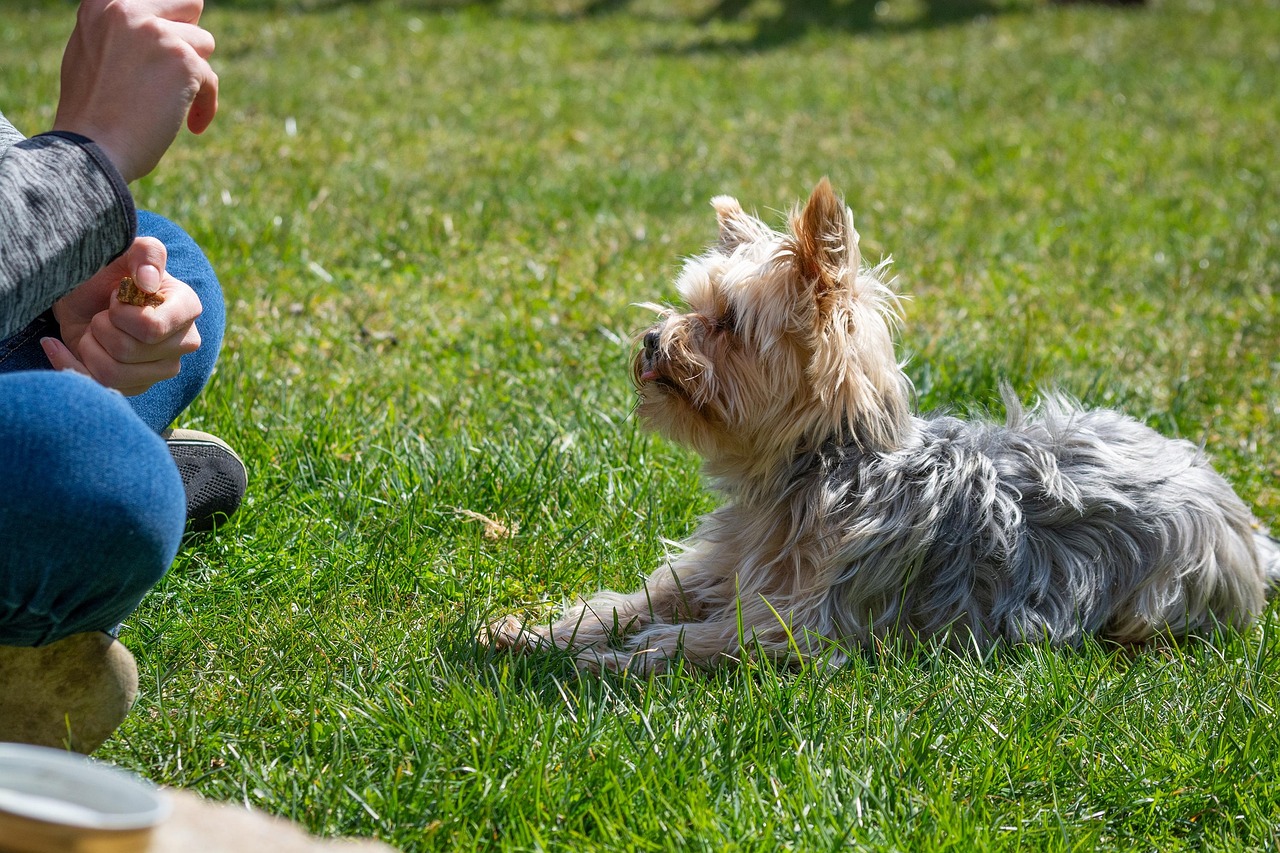

Recognizing Signs of Stress in Your Dog During Training
Understanding your dog’s stress signals is essential for effective training. While dogs can be resilient, they are not immune to stress, especially during challenging training sessions. Common signs of stress include excessive panting, pacing, and yawning. Additionally, you might observe your dog trying to hide or avoiding eye contact. Recognizing these signs can help you adjust your training methods to better suit your dog’s emotional state. It is important to create a positive training environment, as this leads to enhanced learning. Training should be a balance of challenge and comfort. Always pay attention to your dog’s body language. Ears pinned back or a low tail can indicate discomfort. Furthermore, if your dog is frequently looking away, it may need a break. Stress can lead to behavioral issues if not addressed, so early recognition is key. Socialization also plays a significant role in stress management, as exposure to various situations can help build a dog’s confidence. Lastly, consider using positive reinforcement to encourage desired behaviors, which ensures a more enjoyable training experience for both you and your furry friend.
One effective method to mitigate stress during a training session is to incorporate regular breaks. These breaks allow your dog to relax and process what they’ve learned. Frequent short sessions, rather than extended periods, can be more beneficial. This approach not only keeps your dog engaged but also reduces the chance of overwhelming them. Whenever you notice signs of fatigue or stress, pause the training session. Offering praise and rewards during breaks will provide your dog with positive reinforcement. Alongside breaks, try to use high-value treats to encourage desired behaviors. For instance, if your dog follows a command successfully, reward them immediately. This creates a strong association between the command and receiving a reward. Moreover, maintain a calm and encouraging demeanor throughout the training process. Your attitude influences your dog’s mood significantly. If you remain patient and positive, your dog will likely feel more comfortable. Additionally, consider varying the training location to introduce new stimuli gradually. Changing the environment can make training sessions exciting. With time and effort, you will develop a better understanding of your dog’s individual needs, further enhancing their training experience.
Body Language Cues Indicating Stress
Every dog communicates through body language, and being attuned to these signals is essential. Signs of stress can vary among individual dogs. For example, a dog may exhibit signs such as lip licking, which indicates discomfort. Additionally, if your dog displays a tight body posture or has their tail tucked, these are clear signs of anxiety. Paying attention to ears can also be telling; ears pulled back often indicate fear or stress. Barking or growling may mark frustration or a need to retreat from the training exercise. Sometimes, a dog may engage in self-soothing behaviors, such as scratching or chewing their paws. These actions are unique cues indicating that your dog could be overwhelmed. Furthermore, understanding the context of the training environment is vital. Loud noises or unfamiliar surroundings can contribute to the dog’s stress levels. Keeping training sessions in familiar and quiet areas can help alleviate these stressors. Each dog’s experience is unique and individual differences should always be taken into account during training. Observing your dog’s reactions through consistent engagement will refine your understanding and assists in tailoring effective strategies.
After identifying signs of stress in your dog, it’s vital to adapt your training techniques accordingly. Adjusting your approach can make a significant difference in your dog’s overall experience. For instance, if your dog shows signs of anxiety when faced with a specific command, consider breaking it down into smaller steps. This method allows your dog to feel more accomplished while learning at their pace. Gradually reintroducing the command after a period of positive reinforcement can lead to a better response. Additionally, always monitor your dog’s energy level during sessions. If they seem tired or unwilling, it might be best to shorten the session and conclude on a positive note. Favorable closure reinforces a successful lesson. Emphasizing a variety of training techniques can foster better engagement. This could include using play as a reward or incorporating agility tasks—fun can drive motivation. Always consider your dog’s mood; changing tactics according to it shows that you value their emotional health. This nurturing approach not only builds confidence but also strengthens the bond between you and your furry companion. This makes training pleasurable and rewarding for both parties.
Importance of Positive Reinforcement
Positive reinforcement is a cornerstone of effective training strategies. When dogs receive rewards for good behavior, they are more likely to repeat those actions in the future. Treats, praise, or playtime can be highly motivating for dogs during training. Employing a consistent reward system creates an expectation for your dog, which leads to better cooperation. Always offer rewards immediately after your dog successfully performs a command; this timing reinforces the link between the command and the action. Moreover, when your dog exhibits signs of stress, temporarily abandoning commands allows them to relax helps. Instead, focus on simple tricks or behaviors your dog enjoys. Changing the focus can reduce pressure significantly, helping to alleviate anxiety. Allowing your dog to gradually build confidence helps foster a more positive training atmosphere overall. Creating a safe and enjoyable environment will keep your dog eager to learn. Always remember that patience plays a key role; maintaining a calm demeanor encourages your dog to be relaxed. Ending each session on a high note with positive reinforcement establishes a lasting association with training sessions—a core goal in any successful dog training effort.
As you progress with training, it’s crucial to evaluate your dog’s progress regularly. This assessment allows you to identify any lingering stress signals and make necessary adjustments. Taking notes on your dog’s behavior can offer insights into how they react to specific commands or environments. Documenting this information enables you to refine your training techniques consistently. Additionally, consider involving a skilled dog trainer to provide an expert perspective. A trainer can offer professional advice to help determine whether a more intensive approach is needed. Socialization classes are another excellent way to expose your dog to new environments. The increase in exposure can help them become more adaptable and confident. Take note; familiarity breeds comfort, so reinforcing these experiences strengthens your training efforts. Also, ensuring that your dog’s health is taken care of is essential. Pain or discomfort can manifest as stress during training. Regular check-ups with your veterinarian will help identify any underlying health concerns. Overall, a collaborative approach integrating health considerations, regular evaluations, and skilled advice will greatly improve your dog’s learning experience.
Conclusion: Building a Healthy Training Relationship
Overall, recognizing signs of stress in your dog is crucial for effective and enjoyable training. Understanding your dog’s individual behavior, adjusting methodologies accordingly, and implementing positive reinforcement will create a supportive atmosphere. This approach fosters trust between trainer and pup. Successful training is a journey that requires patience, dedication, and attentiveness. By focusing on your dog’s well-being throughout the learning process, you can minimize anxiety and improve overall performance. A dog that feels safe and secure is more likely to engage with enthusiasm during training sessions. Consistency in reinforcing positive behaviors not only aids training effectiveness but also strengthens your bond. Prioritizing your dog’s health and emotional state is essential in this journey. Customizing your training techniques, considering breaks, varying locations, and ensuring regular assessments will create a healthier training relationship. Remember, successful dog training is a blend of understanding, respect, and patience. Building this foundation benefits not only your dog but also enhances your lives together. Keep striving for progress and maintain a positive approach through challenging moments. Embrace the journey, and celebrate achievements, big or small, along the way.