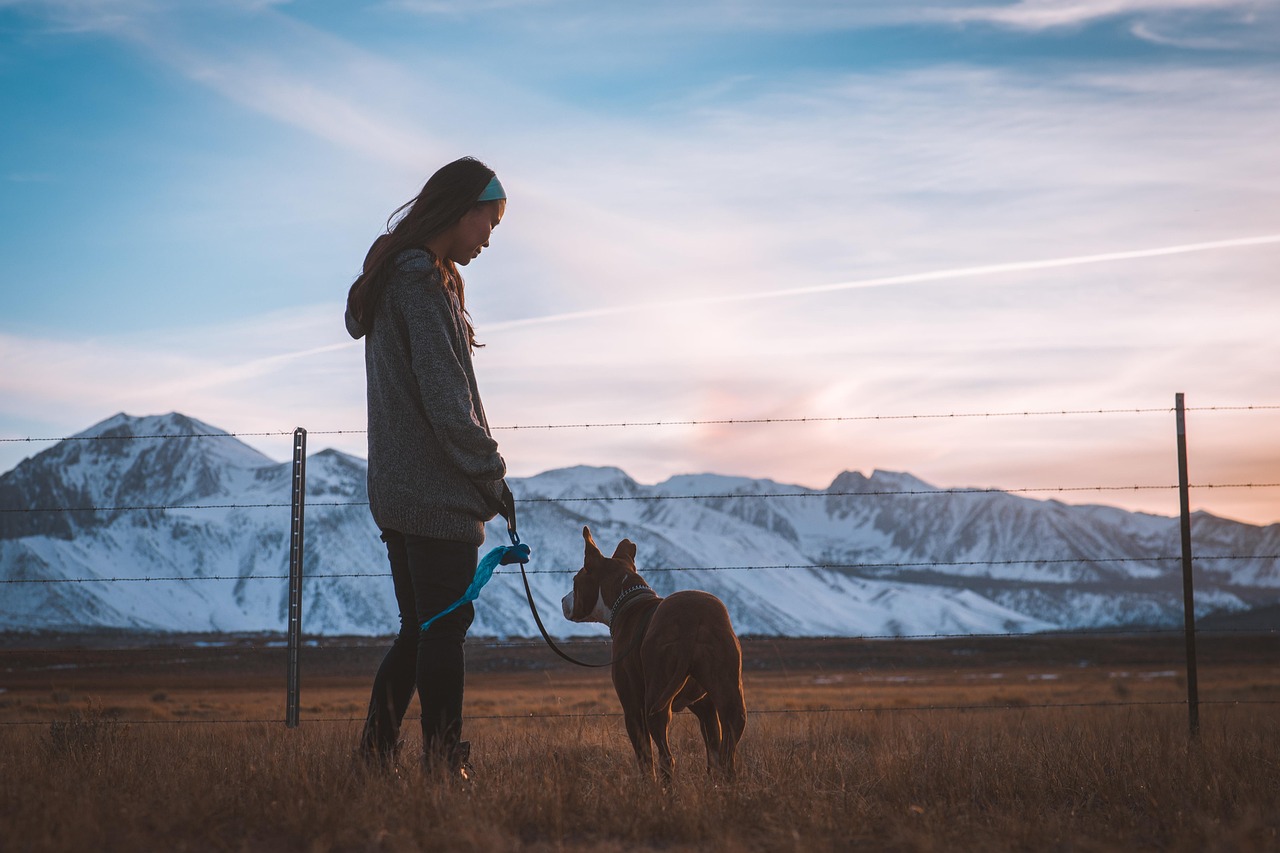

Safe Walking Practices for Puppies and Elderly Dogs
Walking your dog is a crucial part of its daily routine, contributing to exercise and mental stimulation. However, it is essential to prioritize safety during these walks, especially for puppies and elderly dogs. Puppies are still developing their physical and social skills. They can be prone to overexertion or sudden distractions, which may cause accidents. Elderly dogs, on the other hand, may experience mobility issues or health problems that can make walking more challenging. To ensure their safety, choosing an appropriate walking route is essential. Opt for quiet streets or parks rather than busy areas filled with distractions. Always keep your dog on a leash to prevent them from running into traffic or getting into mischief. For extra safety, consider using reflective gear during early morning or late evening walks. Additionally, use a harness rather than a collar for better control, especially with larger or stronger dogs. Be attentive to your dog’s cues while walking; signs such as slowing down or panting can indicate fatigue. Frequent breaks enable both puppies and elderly dogs to rest and hydrate, ensuring a pleasant walking experience without overstraining them.
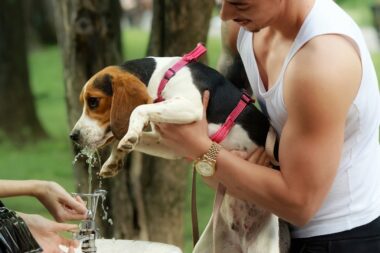
Understanding your dog’s specific needs is crucial when walking, particularly for puppies and elderly dogs. Puppies have shorter attention spans and require a different approach to leash training. Begin with shorter walks, progressively increasing the distance as your puppy becomes more accustomed to the activity. Frequent stops allow them to explore their surroundings and learn essential cues without overwhelming them. For elderly dogs, avoid long trips and choose a leisurely pace that matches their energy level. Consult with your veterinarian to establish a walking schedule that fits their mobility limitations. If your elderly dog has joint issues, consider using dog boots, which can protect their paws from harsh surfaces while offering added traction. Be mindful of the ground temperature as well; hot pavement can burn sensitive paws, while cold surfaces may cause discomfort. Regardless of age, always carry a portable water dish to keep your dog hydrated. Make sure to reward good behavior during walks; this reinforces positive obedience training. Engaging your dog with treats or praise during the walk helps create a pleasant association with going outside, encouraging them to enjoy the experience and remain calm.
Adapting Your Walking Environment
Choosing the right environment for walks can significantly enhance safety and comfort for your furry friend. Select well-lit areas for evening strolls, reducing potential risks associated with poor visibility. Park trails or nature paths often offer a safer environment away from traffic, providing more opportunities for exploration. However, always check for local regulations related to pets in parks, ensuring you’re compliant with any leash laws. Avoid high-traffic streets where noise and commotion can startle your dog, impacting their behavior. Introducing your puppy or elderly dog gradually to busy environments can help acclimatize them, making future walks smoother. For puppies, socialization is crucial, but this should be done in a controlled manner to avoid overwhelming them. Use distractions judiciously to keep their focus on you and not on any sudden noises or movements. In the case of elderly dogs, listening to their body language becomes vital; they may need more rest and reassurance during stressful outings. Remember that the comfort of your dog should always be a priority, ensuring they have enjoyable experiences outside every time you go for a walk together.
When walking a puppy or elderly dog, it is vital to remain vigilant about their environment and interactions with other animals. Puppies are naturally curious and may not recognize the boundaries of other dogs, which could lead to unwanted confrontations. Socializing them with friendly, well-behaved dogs is essential, but this should be introduced gradually while ensuring the encounters are positive. Reward your puppy for calm and appropriate responses during these meetings. In contrast, elderly dogs may become more anxious or protective as they age. Being prepared for any sudden social interactions is crucial; allow your dog to engage at their comfort level. Carry essential items such as poop bags, a first aid kit, and your contact information in case of emergencies. Additionally, always monitor your dog’s energy levels, as they may get tired quicker than younger dogs. Rest areas or benches along the walking route can provide necessary breaks. Avoid overcrowded areas or dog parks if your elderly dog appears particularly anxious. Keeping walks enjoyable and stress-free enhances their overall experience and keeps them excited for future outings.
Health Considerations During Walks
Health considerations are crucial when strolling with dogs, especially puppies and elderly dogs, as their needs differ significantly. Puppies need routine veterinary checkups to ensure they are healthy enough for regular walks. Ensure they are up to date with vaccinations and parasite preventatives as outdoor exposure increases. Exercise should be balanced with their developing joints and bones in mind to prevent injuries. In contrast, with elderly dogs, pay attention to any existing health issues, such as arthritis or heart conditions. These conditions can limit their physical capacity; therefore, it’s essential to tailor walk lengths and intensity accordingly. Observe for any signs of fatigue, excessive panting, or limping. If you notice any unusual behavior, consult your veterinarian for guidance. Additionally, keeping a health record for both puppies and elderly dogs can help track changes over time, allowing you to adapt their exercise routine as needed. Always consult with professionals regarding suitable types of exercise that can promote healthy joints and overall wellness while ensuring their safety. Walking should be about creating a pleasant routine that supports your dog’s physical and mental health through regular activity.
Using proper equipment during walks can improve the safety and effectiveness of your outings. For puppies, using a lightweight leash makes handling easier as they learn. Harnesses are excellent for teaching good leash manners and do not strain a puppy’s delicate neck. Choose reflective leashes or collars to ensure visibility during walks in dim conditions. Adapting equipment for elderly dogs is equally important; some may benefit from padded harnesses designed to support their joints. Ensure their collar is secure but comfortable, allowing for easy breathing. When walking in colder conditions, consider dog jackets to keep them warm while protecting sensitive areas from the elements. Smart equipment options, like GPS trackers or activity monitors, can provide valuable insights into your dog’s walking habits and ensure they remain safe during outings. Consider training them to use voice commands or hand signals to navigate pooling distractions. Remember, investing in good quality equipment goes a long way toward enhancing safety and comfort, making your walking experience enjoyable for both you and your dog. Always choose safety first when engaging in outdoor activities with your precious companions.
Conclusion: Enjoying Safe Walks Together
In conclusion, safe walking practices for puppies and elderly dogs revolve around preparation, awareness, and adaptability. By choosing the right environments and employing proper equipment, you can ensure enjoyable experiences during walks. Remember that both puppies and elderly dogs may have unique challenges, but with patience and love, you can create positive associations with daily strolls. Prioritizing hydration, rest, and health considerations not only enhances your dog’s safety but also makes your walks much more exciting. Regular exercise is essential for a dog’s physical and mental health, allowing for exploration of their surroundings, learning, and socializing. You’ll foster a stronger bond with your furry companion by making every walk an opportunity for joy and discovery. Always be prepared for any sudden turns during your walks, and be attentive to your dog’s changing needs as they progress through different life stages. Encouraging them to enjoy these moments will solidify a lifetime of happiness, healthy adventures, and cherished memories. Together, you and your dog can explore the world safely and confidently, enriching both of your lives while staying active and engaged.
Please remember that every dog is unique and may require different considerations. Adapt your walking style and routine to suit their individual needs. Being observant and responsive leads to safer and more rewarding walks together. Good luck!