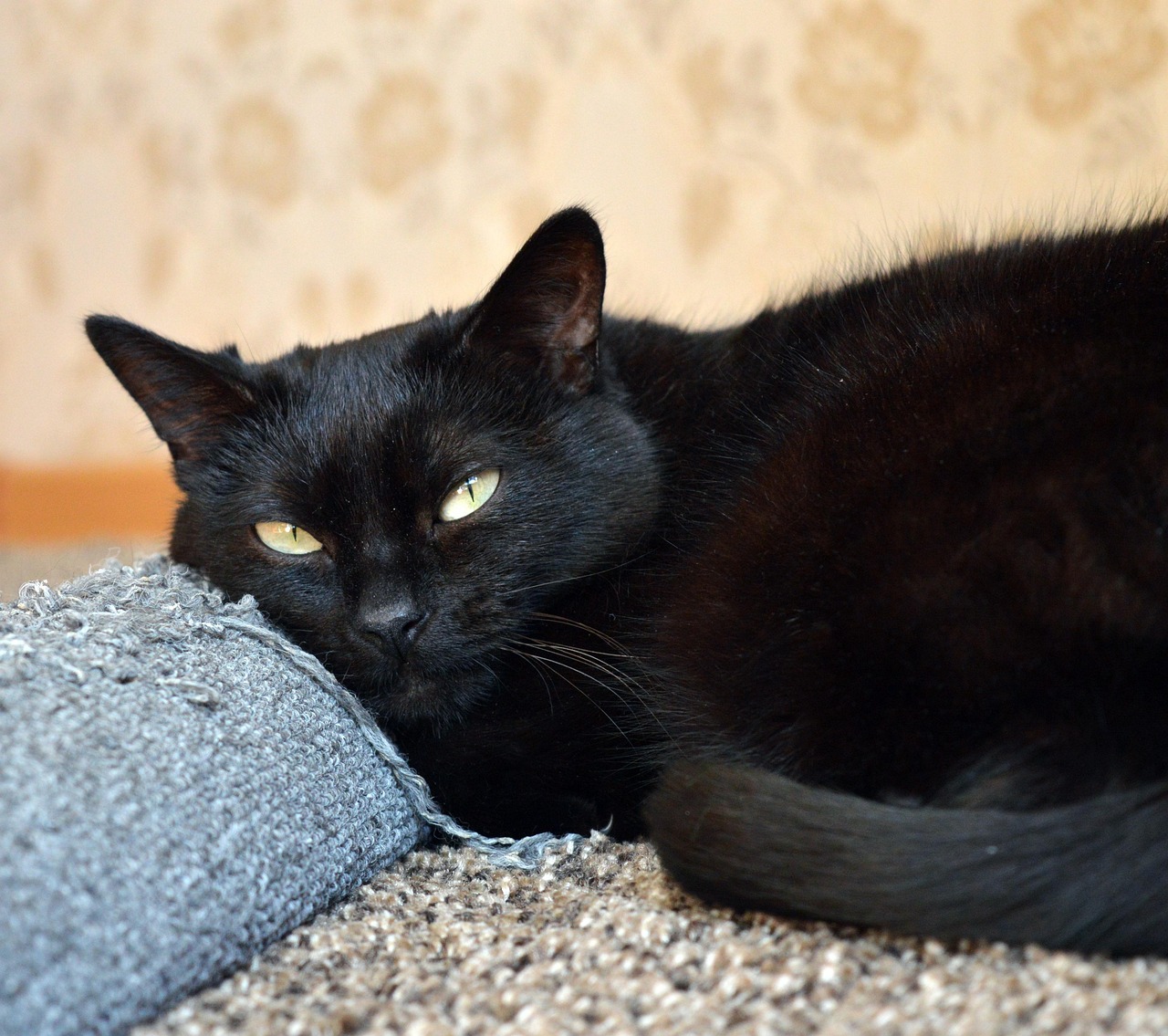

The Psychology Behind Cats Scratching Furniture
Scratching furniture is a common problem for cat owners, and understanding the psychology behind this behavior is crucial. Cats have an innate need to scratch, which serves several purposes. They scratch to mark their territory, as they have scent glands in their paws. This act not only leaves a visual mark but also a scent mark, signaling to other cats that this is their territory. Furthermore, scratching helps cats keep their claws healthy, allowing them to shed the outer sheath of their claws. Many people might misunderstand this behavior as a sign of aggression or disobedience, but it is essentially a natural instinct. Providing suitable scratching alternatives is essential to reduce the likelihood of cats using furniture as their scratching post. Options include scratchers made from various materials like cardboard, sisal, or carpet. Therefore, understanding the underlying reasons for this behavior can lead to better solutions that accommodate both the cat’s needs and the owner’s furniture. Relying solely on punishment or negative reinforcement is ineffective, often leading to stress in the cat. Instead, encouraging appropriate scratching behavior can strengthen the bond between pet and owner.
Cats are highly territorial animals, and scratching provides not only a physical outlet for their energy but also a psychological comfort. When cats scratch, they’re sharpening their claws, but they’re also stretching their bodies and relieving stress. This stretching is essential for their wellbeing. The act of scratching releases endorphins, which can help alleviate stress and anxiety for the cat. In multi-cat households, scratching behavior can communicate social dynamics among them. Cats often engage in scratching when they feel safe and secure, helping them to establish their space within the household. It is vital to create a suitable environment that promotes their natural behaviors. Owners can easily redirect their cats’ tendencies by providing appropriate scratching furniture in various locations throughout the home. Experimenting with different types of scratchers may lead to finding one that your cat prefers, thus minimizing the likelihood of them targeting your furniture. Some scratchers even come in the form of amusing shapes or integrated designs for the home. Cat trees or wall-mounted options may also encourage them to scratch while exploring their environment. Understanding your cat’s unique preferences can make a difference in keeping both them and your furniture happy.
Household Dynamics and Scratching Behavior
The dynamics of any household can significantly influence a cat’s scratching behavior. For instance, changes like moving homes, new pets, or new people can cause stress, prompting a cat to scratch more as a response. Cats experience stress similarly to humans, and scratching provides them an outlet to combat this emotion. When a cat feels insecure in its environment, it may resort to scratching furniture more often than usual. Therefore, addressing these environmental factors can aid in mitigating problematic scratching. Regular playtime can alleviate stress, while interaction with the cat reassures it. Choosing to adopt a second cat should be approached with caution since they may have social competition. Monitoring and ensuring harmony between pets will limit stress on both cats, which can lead to more acceptable scratching behaviors. Additionally, owners should be vigilant about signs of anxiety in their cats. Changes in appetite, litter box habits, or excessive vocalization can indicate that the cat may require more comfort behaviors or play. All these elements combine to create an environment where a cat feels surrounding support and contentment, fostering better behavior overall.
Another essential aspect to consider is the role of age in scratching behavior. Kittens may scratch more frequently as they learn and explore their environment, developing their adult instincts. Providing kittens with appropriate scratching surfaces helps shape their behavior as they grow. Additionally, senior cats may experience physical discomfort or joint issues, leading to increased scratching as a means of comfort. As cats age, they might also become less active, and scratching helps them maintain both physical and mental stimulation. Owners should be attentive to signs of discomfort or changes in scratching patterns in senior cats, as it could indicate other underlying health issues. Regular vet checkups can ensure that any health concerns are promptly addressed, allowing for better management of their scratching needs. Preventing scratching problems before they arise is often easier than re-training older cats entrenched in their behaviors. Providing elderly cats with stable scratching surfaces, low-stress environments, and stimulating toys can greatly enhance their quality of life. Targeting their unique needs based on age can provide long-term solutions for both scratching and overall wellbeing.
Benefits of Providing Alternatives
In understanding cat scratching behavior, the focus should also be on the solutions we provide as owners. Giving your cat alternative scratching options can help redirect their urges away from furniture. Various scratching posts, pads, and boards can serve as effective distractions, but choosing options that match your cat’s preferences is vital. The material, height, and placement are significant factors that contribute to their inclination to use alternative scratchers. For instance, many cats prefer vertical scratchers, while others may favor horizontal surfaces. Testing different styles will provide insight into your cat’s preferences. You may enhance their interest by sprinkling catnip on the scratchers or using toys to attract them to the designated edges. Additionally, consider relocating the scratchers to areas where your cat likes to lounge or play. Regularly praising your cat when they use these alternatives can also reinforce positive scratching habits. Redirecting their natural instinct to scratch into appropriate venues decreases frustration for both the cat and the owner. Providing engaging options can strengthen your cat’s habits, ensuring they feel more comfortable within their home while preserving your furniture from scratches.
Another essential practice for managing scratching behavior includes the strategic positioning of furniture and scratchers. Sometimes, cats may seem interested in specific pieces of furniture because of their location or the environment surrounding them. For example, if a cat tends to scratch the edge of a couch, it may be beneficial to place a scratching post nearby. This placement allows the cat to easily transition from scratching furniture to designated scratchers, creating a multi-cat environment that encourages good behavior. Over time, positive reinforcement and the gradual removal of the furniture from prominent locations can teach the cat that there are acceptable alternatives. Boundary training is also effective, where owners can introduce physical barriers to keep cats from their favorite scratching spots. Building a holistic approach is essential in providing consistent guidance and relief from scratching challenges. By creating an enriched environment that focuses on fulfilling their instinctual needs, owners can successfully redirect their cats to appropriate scratching surfaces. Working together through this direction enhances the overall relationship between pet and owner. Finding common ground can foster a harmonious atmosphere where furniture stays unscathed.
Understanding Your Cat’s Unique Needs
To resolve scratching issues effectively, understanding your cat’s unique disposition is crucial. Each cat possesses distinct preferences, including personality traits, age-related needs, and energy levels. For instance, more active cats require enriching environments to expend their energy, while less active cats might appreciate cuddling and interactive playtime. Recognizing and catering to these specific needs allows owners to tailor their approach to scratching behaviors. Moreover, environmental enrichment can play a significant role in behavioral management. Creating opportunities for climbing, hiding, and exploration can divert attention from scratching to more stimulating pursuits. Cats thrive on stimulation; hence, engaging in regular interactive play can also reduce tension. Playtime helps to redirect their focus away from unwanted behaviors while strengthening the owner-cat bond. The choice of toys and furnishings can facilitate healthier habits, as these encourage creative engagement. Ultimately, understanding the personality, needs, and preferences of your cat cultivates an environment where they feel valued and understood. When a cat feels secure and stimulated in its surroundings, it is less likely to exhibit problematic scratching behavior, leading to a peaceful living experience.
Overall, managing scratching behavior takes a comprehensive approach that incorporates understanding, the environment, and communication. By equipping the home with appropriate alternatives and fostering a supportive atmosphere, owners can address the deeper psychological needs of their cats. It is paramount to remember that scratching is not merely destructive behavior. It’s a natural part of their life, serving multiple functions. Creating a vibrant environment that encourages satisfying scratching habits minimizes conflict between cat instincts and household furniture. Ongoing observation and adaptation to the changing dynamics of a household can ensure that scratching behavior remains manageable. While it requires effort and patience to cultivate these behaviors, the rewards are substantial. A well-adjusted cat will enhance its owner’s life significantly. Owners are encouraged to consult with veterinarians or animal behaviorists if scratching becomes uncontrollable, as they can provide valuable insights or tailored strategies. Developing a mutual understanding and open communication with your pet nurtures a bond that lessens the chances of destructive habits and enhances companionship and trust. Ultimately, the goal is to transform scratching from a problem into an opportunity for growth and shared joy.