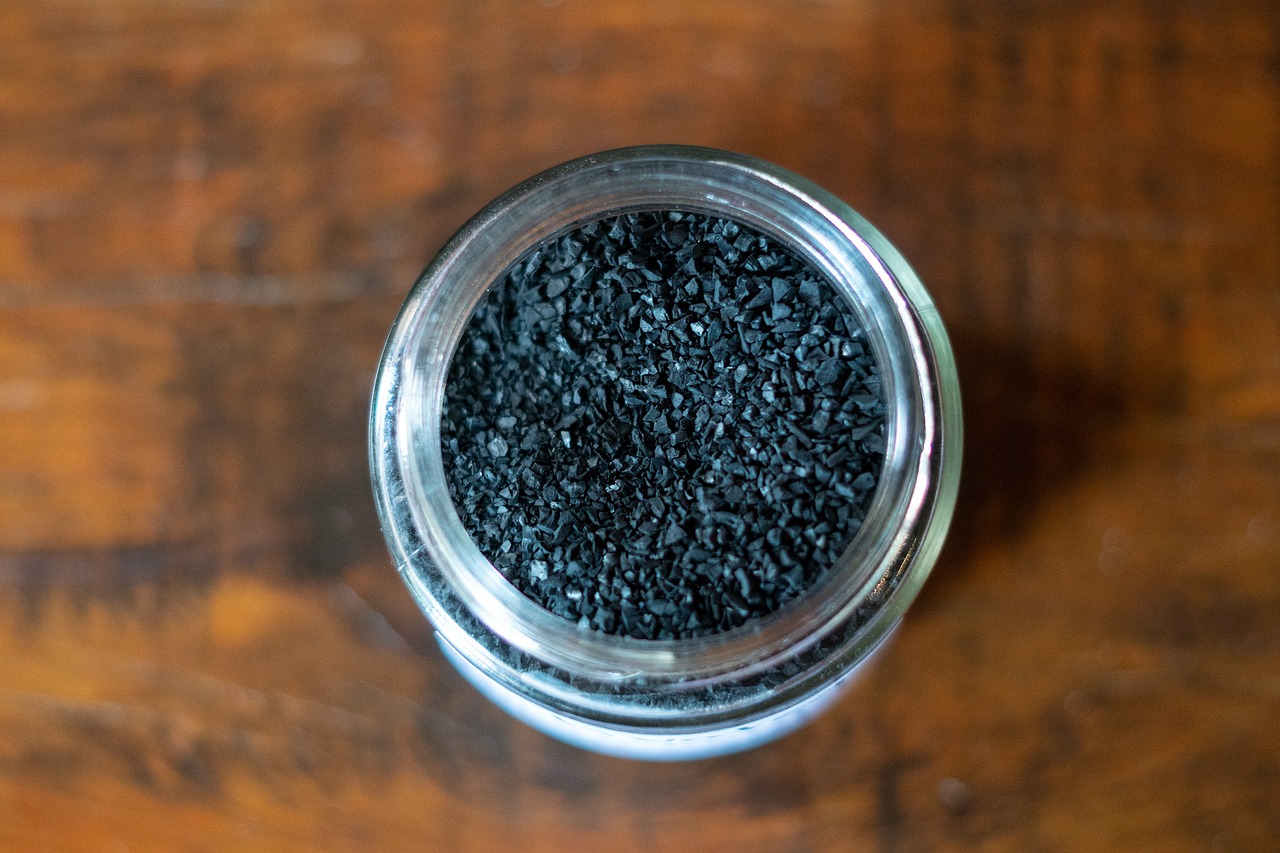

The Role of Activated Charcoal in Treating Cat Poisoning
Understanding the role of activated charcoal in treating cat poisoning is crucial for any pet owner. Activated charcoal acts as a potent absorbent, effectively binding toxins within a cat’s digestive system. This mechanism helps prevent further absorption into the bloodstream, thus mitigating the potential impacts of poison. The swift administration of activated charcoal can significantly enhance the chances of recovery for a poisoned cat. When a cat ingests poison, it is vital to act quickly and consult a veterinarian about using activated charcoal as part of the treatment. Keep in mind that not all poisonous substances are affected by activated charcoal, so proper identification of the toxin is critical. Cats that have ingested certain substances may require specialized care, including intravenous fluids and additional medications. The dosage of activated charcoal generally depends on the cat’s weight and the specifics of the toxin involved. Having this treatment on hand can provide peace of mind for feline caregivers. However, it should be emphasized that activated charcoal should be administered under veterinary supervision whenever possible. This ensures that the treatment aligns accurately with the type of poison present.
Activated charcoal is effective because of its unique structure that allows it to adsorb various toxic substances. This means the toxins adhere to the charcoal particles, making it less likely for these harmful agents to enter the cat’s system. Typically, the administration occurs within two hours of ingestion, as this is when the toxins are most effectively absorbed. If you suspect a cat has ingested a toxic substance, don’t waste time—take immediate action. Always read the specific guidelines and recommendations for use provided by your veterinarian. Additionally, cats may not always readily consume activated charcoal placed in their food, necessitating creative solutions for administration. Sometimes it may be effective to mix the charcoal with a small amount of tasty food to encourage acceptance. However, cats may be less keen on this than dogs, so patience and creativity are required from pet owners. Regular monitoring following the administration is also essential because side effects can occasionally occur, ranging from vomiting to diarrhea. Being aware of these possibilities can help you follow up with your vet if the situation worsens.
When Not to Use Activated Charcoal
Despite its many benefits, there are specific scenarios where activated charcoal should not be utilized. When a cat has ingested a corrosive substance, such as strong acids or alkalis, using activated charcoal can worsen the situation. This can lead to further gastrointestinal damage, adversely affecting the cat’s health. In these cases, immediate medical attention is required to ensure the cat’s safety. Additionally, activated charcoal is not advised for use if a cat is unconscious, having seizures, or unable to protect their airway. The risk of choking or aspiration of the charcoal into the lungs increases significantly under such conditions. Combining activated charcoal with other medications can also interfere with their effectiveness, making it essential to consult with a veterinarian before its administration. This consultation is vital to ensure that toxin identification is correctly addressed and determined. Careful consideration must also be given regarding the timing of treatment, as waiting too long could decrease effectiveness. Always prioritize a vet’s assessment over home treatment whenever poisoning occurs.
The veterinarian will also evaluate the need for additional tests or treatments after administering activated charcoal. In some instances, further decontamination may be necessary, such as vomiting induction or intravenous therapy. Another crucial aspect is hydration, as poisoned cats may become dehydrated and require fluids. Understanding how to manage a poisoning emergency can be overwhelming; not knowing what toxins your cat may encounter is stressful. Therefore, pet owners should familiarize themselves with common cat poisons. Many household items and even certain plants pose dangerous risks to cats. For example, lilies, chocolate, and some medications are highly toxic. Prevention is always the best medicine; it’s wise to safeguard your property by eliminating or securing these hazardous items. Regularly reviewing updated lists of toxic substances can assist you in taking the necessary precautions. Awareness, preparation, and prompt intervention are your main tools in combating potential poisoning scenarios. The more knowledge you have, the better equipped you will be to protect your beloved feline companion and respond effectively during emergencies.
Monitoring Recovery After Treatment
Once activated charcoal is administered, continuous monitoring of the cat’s condition is vital. Observing for signs of improvement or deterioration will allow you to determine the treatment’s effectiveness. Common signs of recovery might include increased energy levels and a return to normal appetite. However, some cats may experience delayed reactions, so it’s essential to stay vigilant. Monitoring should also include evaluating bowel movements, as changes can indicate side effects or complications from the poisoning event. If a cat experiences a significant change in behavior, appetite, or litter box habits, such as black stools, these can indicate gastrointestinal bleeding and need immediate attention. Setting up a recovery environment that offers comfort can significantly aid the healing process. Provide a quiet, cozy space away from stressors and distractions to lessen anxiety during recovery. Ensure access to fresh water and food should they express interest. It’s also prudent to follow up with your veterinarian regarding the need for check-up visits. They can provide additional support and evaluate any long-term effects of the poisoning or the treatment.
Pet owners should also take this opportunity to educate themselves on preventive measures. Understanding the specific types of toxins that can affect cats is an important part of responsible pet ownership. This knowledge will empower you to create an environment that minimizes risk. Keeping harmful substances securely stored and away from your cat’s reach is essential in avoiding accidental exposures. Regularly re-evaluating the safety of your home regarding potential hazards is necessary. This includes thoroughly assessing areas where your cat roams, such as garden spaces where toxic plants may be growing. Additionally, ensure any human medications are adequately secured to limit access. Establishing a routine check for household items that could pose a threat can also help reduce risk. Being proactive is critical, as prevention is always better than reaction. Familiarizing yourself with emergency procedures and knowing how to act during a poisoning crisis can also save precious time. Having the contact information of your local veterinary clinic or poison control hotline readily available can further aid in efficient decision-making.
Conclusion
The role of activated charcoal in treating cat poisoning cannot be overstated, acting as a key element in many poisoning protocols. By understanding its function, limitations, and the broader context of cat toxins, pet owners can better equip themselves for emergencies. It is imperative to track new information and updates regarding cat poisons, as recommendations may evolve. Further, collaborating with your veterinarian on emergency treatment plans can help prepare you for unexpected situations. Maintaining an alert attitude towards household hazards and knowing what steps to take in a crisis can save lives. Ultimately, your pet’s health depends on a combination of preventative measures, timely action, and knowledgeable care during emergencies. Be proactive, stay informed, and ensure your beloved feline remains safe from the dangers of poisoning. Their well-being should always be paramount. Remember, good pet care involves being prepared for the unexpected and understanding that knowledge is the most powerful tool you have as a loving pet owner. With the right precautions, the risks can be significantly minimized, allowing you to create a safe environment for your cat.
In summary, activated charcoal is an invaluable tool for treating cat poisoning when used correctly and in appropriate situations. This article underscores the importance of understanding its role while emphasizing careful monitoring and prevention efforts. When faced with a possible poisoning incident, prompt and informed decisions can play a pivotal role in recovery. With a solid foundation of knowledge, cat owners can be better prepared to manage a crisis effectively. Evaluate the specific details of each situation and maintain awareness of your cat’s habits. By integrating safety into daily routines, you create a nurturing space for your cherished feline companion. The love and care shown in these moments can benefit your cat’s overall health and longevity. Keep open communication channels with your vet to discuss any queries about your cat’s health and safety. Together, proactive pet ownership involves advocating for your cat’s welfare while being equipped to handle emergencies responsibly. Finally, recognizing activated charcoal’s place in cat first aid enhances your ability to safeguard your furry friend, ensuring they lead a safe and happy life.