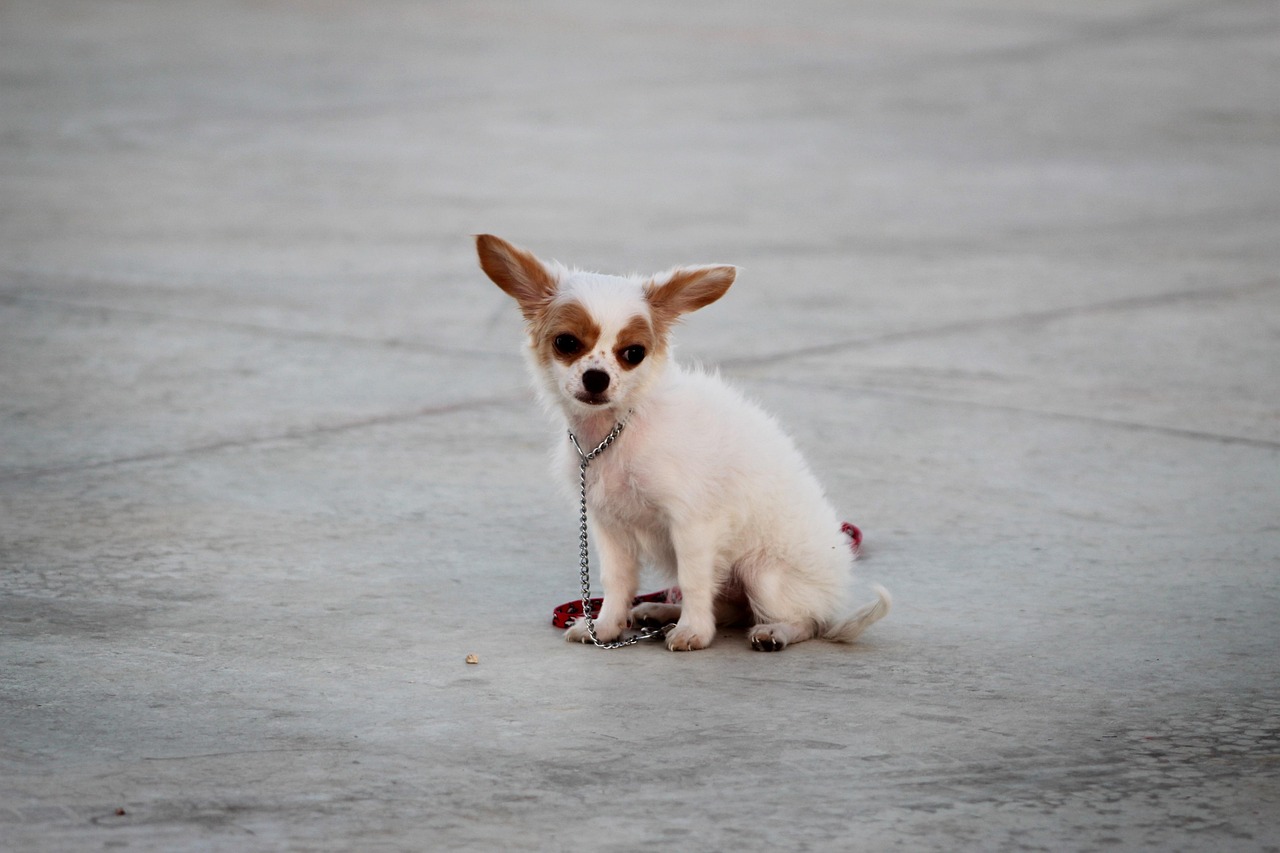

The Role of Nutrition in Puppy Training and Behavior
Nutrition plays a vital role in the overall development of puppies, influencing their behavior and ease of training. Just as with humans, proper nutrition aids in cognitive function, energy levels, and mood regulation. Puppies that receive balanced diets rich in essential nutrients are more likely to be focused, responsive, and eager to learn during training sessions. Nutrient deficiency can lead to lethargy, irritability, and disinterest, making training a challenge. Essential nutrients like proteins, fats, vitamins, and minerals support healthy brain development, which is crucial during the early stages of a puppy’s life. When training a puppy, ensuring they consume quality food that meets their specific needs is essential for long-term success. Moreover, hydration is equally important; lack of water can lead to decreased energy and concentration. It’s beneficial to monitor your puppy’s diet closely, adjusting it as they grow. Research indicates that puppies with nutritious diets display fewer behavioral issues, allowing for smoother training sessions. Linguistic cues can be more readily accepted when puppies are in peak physical and mental condition, which can facilitate a lasting bond between the trainer and the dog.
A vital aspect of puppy training is establishing a routine that corresponds with their nutritional intake. Feeding scheduled meals rather than free feeding fosters better behavioral patterns in puppies. By maintaining mealtimes, dogs learn to associate specific activities, like training, with the reward of food, enhancing their motivation to participate. Selecting high-quality puppy food that meets their dietary requirements is also crucial. Puppy food tailored to their developmental stage ensures that they receive the right balance of nutrients needed for proper growth. This, in turn, influences their ability to focus during training. Additionally, using food as a reward can be a powerful training tool. When puppies perform desired behaviors, food rewards strengthen the association between the behavior and positive outcomes. However, moderation is key to prevent overfeeding or obesity, which can hamper their training altogether. Incorporating a variety of small and healthy treats can help maintain motivation without compromising their nutrition. Remember that while food is effective, it’s also essential to combine tangible rewards like praise, affection, and play for a well-rounded training approach that maintains enthusiasm and engagement in your puppy.
The Impact of Diet on Behavioral Problems
Puppies are susceptible to developing behavioral issues if their nutritional needs are not met. A poor diet can lead to health complications, which then manifest as behavioral regressions, such as aggression or anxiety. For instance, a lack of specific fatty acids, like Omega-3, can result in mood disorders. Dogs may display signs of restlessness or hyperactivity as a byproduct of an unbalanced diet. Whenever behavioral problems arise, it is crucial to examine dietary habits as a potential contributing factor. Proper nutrition fosters a calmer mind, aiding in better receptiveness during training. Puppies that exhibit signs of stress or anxiety may respond poorly to training commands, leading to frustration for both the trainer and the dog. Maintaining optimal conditions through gradual diet adjustments can alleviate such issues. Additionally, dogs with food sensitivities may display abnormal behaviors, possibly resulting from discomfort or pain caused by specific ingredients in their diet. Consulting with a veterinarian for dietary adjustments can ensure your puppy’s food is holistic and appropriate for their well-being, thereby positively influencing their behavior and trainability. Each puppy is unique, and their dietary needs may vary significantly based on breed, age, and activity level.
Involvement in training not only strengthens the bond between a puppy and its owner but also incorporates nutritional considerations for lasting effects. Understanding which nutrients support mental processes can significantly impact a puppy’s training outcomes. For instance, ingredients rich in antioxidants can help enhance cognitive function, promoting better retention of learned commands and reducing the likelihood of behavioral regression. Puppies thrive on routine, and establishing meal times in conjunction with training establishes a system of predictability they can count on. Furthermore, the role of social interaction during feeding times, incorporated within training sessions, fosters better behavior through positive reinforcement. Socializing with other puppies during meal times can bolster their confidence and help regulate their interactions with people or dogs during training activities. Implementing feeding as part of a regular training methodology positions it as an integral tool, influencing not only behavior but also energy levels and focus. Engaging in positive meals alongside training routines promotes much-needed discipline and predictability, vital for a successful training regimen. Thus, every training session can seamlessly integrate nutritional engagement, reinforcing connection and communication between owner and puppy.
Convenience of Treats in Training
Using treats effectively during training sessions can amplify the learning experience while ensuring that puppies maintain a healthy diet. Selecting the right types of treats is vital in this learning process. Opting for small, soft, and palatable treats can keep puppies motivated without overwhelming their intake. Natural and nutritious options like freeze-dried meat or fruit can deliver essential nutrients while serving as incentives. Additionally, incorporating homemade treats can be a rewarding experience for owners, as they have complete control over the ingredients used, ensuring they align with the puppy’s dietary requirements. Treats should complement meals, fostering a positive relationship with food rather than creating dependency. Over-relying on treats can have adverse effects on a dog’s diet; thus, being mindful of their caloric intake is essential. Tracking the number of treats given during training sessions helps maintain proper nutrition levels. Balancing treats with verbal praise or affection can also enhance behavioral outcomes, as dogs often appreciate the affection just as much as the food. Structuring treat usage within training efficiently ensures that puppies receive proper nutrition while staying focused and engaged throughout the training process.
Puppy training also benefits significantly from the educational aspect of nutrition. Owners with a solid understanding of canine dietary needs can better cater to their puppies, shaping behavior indirectly. Knowledge about what constitutes a balanced diet can help prevent behavioral problems linked to deficiencies. Nutrition education extends to recognizing harmful ingredients commonly found in commercial dog foods. Being able to read and understand labels effectively means selecting higher-quality products that cater to specific needs. For instance, some breeds might require more protein or specific vitamins for optimal development. This insight can enhance training strategies by providing puppies with the fuel they need during sessions. Awareness also extends to observing puppies’ reactions and preferences towards particular foods, allowing adjustments for maximum engagement. Maintaining an ongoing dialogue with veterinarians can offer updated nutritional information, helping owners make informed choices that reflect their puppies’ developing needs. The knowledge gained can influence training approaches, ensuring they remain relevant and effective. Thus, an informed owner can set a strong foundation for desired behaviors while making nutrition a central part of their training strategy.
Conclusion: The Fusion of Nutrition and Training
Ultimately, the successful fusion of proper nutrition and puppy training can lead to significantly improved behavior and a stronger bond. By understanding the intricate connections between what puppies consume and how they behave, owners can promote more effective training outcomes. This holistic approach fosters a well-rounded puppy that is not only obedient but also healthy and happy. Nutrition is not merely about fulfilling dietary needs but creating an environment where puppies can thrive. Recognizing individual puppy requirements—based on breed, age, and temperament—allows The tailored approach is essential for meeting their needs while enhancing training efforts. Adequate hydration should not be ignored, as it plays a key role in maintaining energy levels necessary for both play and learning. Developing a menu that is nutritionally balanced sets up a strong foundation for a puppy’s development. To ensure successful training, food should be viewed as a multifaceted tool. This includes its role in behavior modification, cognitive enhancement, and fostering a trust-based relationship between owner and dog. Caring for a puppy encompasses a commitment to both proper nourishment and consistent training practices, promoting a lifetime of cooperation and companionship.
In summary, the melding of diet and puppy training is undeniably significant in fostering desired behaviors and a fruitful relationship. Nutrition doesn’t merely serve its purpose on the physical level but extends to emotional, mental, and behavioral aspects of a puppy’s development. Ensuring that your puppy experiences a well-balanced diet packed with proteins, vitamins, and essential minerals is crucial in enhancing their ability to learn commands and concepts. Carefully considering nutritional choices while integrating them into training routines can lead to a smoother learning experience, laced with encouragement from healthy eating habits. Engaging with an active, well-nourished puppy promotes better focus and retention during training, making sessions both enjoyable and fruitful. As owners, investing time in mastering nutritional knowledge prioritizes the well-being of your puppy, further solidifying the bond through positive reinforcement. Additionally, creating mindful dining experiences around puppy training can reinforce behavioral patterns positively. A healthy diet should cater to individual preferences, while still ensuring each meal supports their growth and development. In conclusion, combining effective training techniques with a sound understanding of puppy nutrition serves as a dual strategy for happier pets and more harmonious lives.