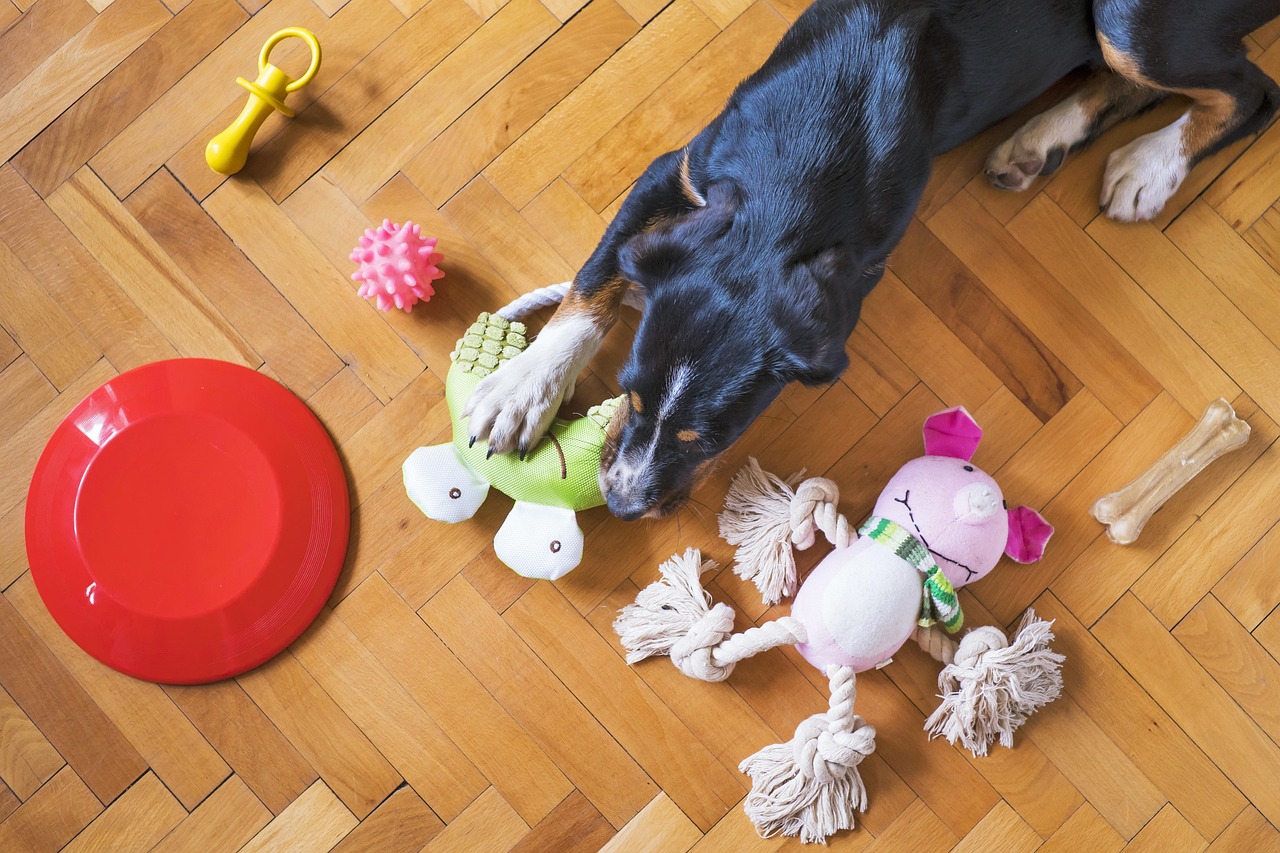

The Science Behind Toy Motivation in Canine Training
Understanding how toys can serve as effective motivators in canine training is pivotal. Toys stimulate a dog’s natural instincts, making them more engaged during training sessions. By incorporating toys into training, handlers can foster a fun environment that encourages dogs to participate actively. Effective use of toys not only enhances focus but also strengthens the bond between the trainer and the dog. The excitement that toys bring can change a dog’s perception of training from a chore to an enjoyable activity. When using toys effectively, it’s crucial to pair the toy with positive reinforcement such as treats or praise to solidify the behavior being taught. This method promotes a deeper connection, increasing the likelihood of success in training. Always ensure the toys are safe and appropriate for your dog’s size and breed to prevent choking or injury. Additionally, alternate toys to maintain interest and excitement. Remember, an engaged dog is a teachable dog; utilizing toys creatively can lay a solid foundation for communication and cooperation in training. Make training sessions memorable and effective by integrating toys that pique your dog’s curiosity and drive for play.
Toys can also be classified into several categories based on their purpose and design. Each type serves distinct roles in training and play dynamics. For instance, chew toys can help with teething in puppies while fetching toys appeal to a dog’s instinct to chase and retrieve. Common types include:
- Interactive Toys: Designed for problem-solving and engagement.
- Fetch Toys: Encourage physical activity and command recall.
- Chew Toys: Promote dental health and alleviate boredom.
- Soft Toys: Provide comfort and security for anxious dogs.
Understanding the right toy for each dog is crucial. Not all toys suit every dog’s personality or energy level. Some dogs may thrive on interactive toys that challenge their minds, while others may need toys that allow for physical exertion. Moreover, rotating toys keeps interest high and prevents boredom. By knowing your dog’s preferences, you can harness the psychological thrill of play, merging it actively into your training sessions, thus enhancing overall learning.
Timing is another essential factor when using toys as motivators in training. Presenting the toy at the right moment can significantly enhance the training process. When a dog demonstrates a desired behavior, introducing a toy immediately reinforces that action, creating a positive association in the dog’s mind. This timing helps to create a conditioned response, where the dog connects specific cues or commands with the joy of access to toys. It’s vital that rewards come promptly after the correct behavior occurs. Additionally, adjusting the frequency of toy rewards can keep dogs eager to learn. For consistent results, gradually reducing toy rewards as behaviors become habitual can help maintain motivation. It’s essential to observe the dog’s response to ensure they remain excited but not overwhelmed during training sessions. Always be aware of their enthusiasm levels; adjusting your approach accordingly will help sustain their interest. Remember, each dog is unique, adapting your technique to fit their individual personality traits will yield the best outcomes. By fine-tuning your timing, you will cultivate a more fruitful learning environment that engages and inspires your canine partner.
The Role of Play in Learning
Incorporating play into training offers numerous benefits, particularly with toy motivation. Dogs are naturally playful creatures, and integrating toys into training can lead to more effective learning outcomes. Play infuses training sessions with an element of enjoyment, allowing dogs to engage with the process rather than view it as mere obedience. Not only does this foster stronger behavioral retention, but it also generates a higher level of enthusiasm from your dog. Studies show that dogs who participate in play-based training tend to learn commands quicker and perform tasks more reliably compared to traditional methods. The simple act of tossing a toy can invoke instinctual chasing behaviors, aiding physical release as well as mental stimulation. It’s important to balance play with structure, ensuring that the sessions maintain focus while allowing freedom for play. Regularly incorporating elements of fun helps build a positive association with training itself, reinforcing loyalty and communication between you and your dog throughout the learning experience. Ultimately, the synergy of instruction and play can unlock your dog’s full potential, transforming training into a bonding experience that lays the groundwork for lifelong companionship.
Using toys as training aids not only enhances engagement but also allows for enhanced socialization. Toys can facilitate interactions among dogs during group training sessions, encouraging play and camaraderie. Knowing how to manage these interactions is key, fostering a safe, enjoyable environment. When dogs play together with toys, they experience a natural setting for learning about boundaries and appropriate social behaviors. For instance, observing toy possession and sharing dynamics can teach dogs how to establish hierarchies and recognize social cues. This learning extends beyond just toy motivation to encompass various training and behavioral concepts. As dogs engage in cooperative play, they develop communication skills that positively affect their relationship with other dogs and humans. Moreover, incorporating toys during social encounters provides a controlled means to introduce new dogs to each other. This can alleviate anxiety while encouraging friendly interactions. Be mindful of supervising these play sessions to ensure safety and mitigate any conflicts that may arise. Ultimately, toys can serve as valuable tools for promoting not only training success but also enriching your dog’s social experiences, creating a well-rounded canine companion.
As dogs become accustomed to toys as training aids, it’s vital to monitor their preferences and responses over time. Constancy in excitement can dwindle when they become desensitized to specific toys or methods. Thus, periodically evaluating which toys stimulate engagement is crucial. Regular changes in toys or the way they are used can rejuvenate interest and motivation. New textures, shapes, or the introduction of squeakers can bring a fresh aspect to existing toys, increasing their appeal. Additionally, observing your dog’s behavior can provide insights into their preferences, allowing for tailored training approaches. Rotating training tools prevents boredom, ensuring dogs remain intrigued and focused. Encourage experimentation with various toys to find the strongest motivators. Some dogs may respond best to squeaky toys, while others might prefer plush or rope options. Always prioritize their safety by selecting high-quality toys devoid of harmful elements. Taking a moment to introduce novelty could lead to remarkable breakthroughs in behavior and learning. Furthermore, linking toy-based rewards to specific behavior cues creates a structured incentive that promotes enhanced results in training sessions.
Conclusion: Enhancing Training with Toys
In conclusion, the integration of toys in canine training offers a dynamic approach to behavior modification. The motivational aspect of toys elevates the training experience for both dogs and their handlers by injecting fun and excitement into learning. When employed strategically, toys can lead to a more engaged partner, fostering a collaborative atmosphere that enriches the training process. Additionally, this methodology cultivates a deeper bond, laying a foundation for trust and effective communication. It’s imperative to remain vigilant and adaptable, utilizing observational skills to select the optimal toys for each dog’s unique personality and training needs. By aligning the training process with the joys of play, trainers can unlock their dog’s full potential, create lasting memories, and cultivate an environment where learning thrives. Each session becomes an opportunity to strengthen the human-canine connection and encourage positive behaviors. Emphasizing play as part of the training paradigm serves to remind us that learning doesn’t have to be mundane. Strive to make training enjoyable. With the right balance of play, toys, and instruction, training can transform into a rewarding journey, enriching the lives of both dogs and their owners.