
The Ultimate Guide to International Dog Shows: What You Need to Know
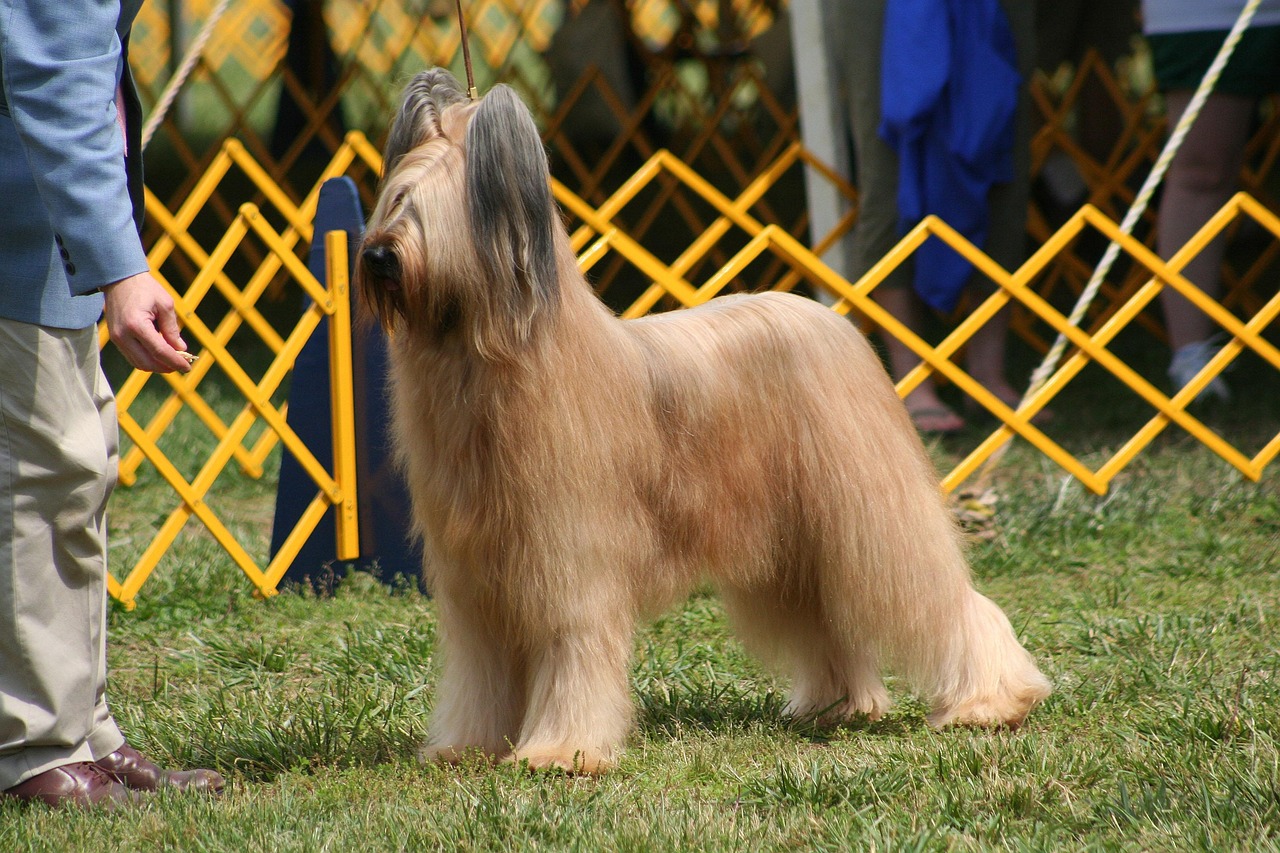
International dog shows are events showcasing various breeds, emphasizing their characteristics and temperaments. These shows offer a platform for breeders and handlers, allowing them to compete for prestigious titles and recognition. If you’re considering entering your dog into an international show, understanding the rules and regulations is crucial. Different countries have specific criteria and judges, ensuring a consistent standard is maintained. Additionally, each breed has designated categories, tailored for evaluation. Attendees will see an incredible array of breeds, from the magnificent Great Danes to the tiny Chihuahuas. Exhibitors go to great lengths to prepare their dogs, focusing on grooming, training, and presentation techniques. The atmosphere can be electric, filled with excitement from both participants and spectators. Many shows also include agility competitions and obedience trials, showcasing the dogs’ skills beyond their looks. Keeping abreast of the local and international dog show calendars is beneficial. Various organizations, such as the FCI and AKC, regularly update their event listings, ensuring potential participants have timely information. Engaging with local breed clubs can also enhance your knowledge and provide crucial support.
Requirements for Participating
Before participating in an international dog show, owners must understand specific requirements needed for entry. Firstly, dogs typically must possess pedigree documentation proving their breed lineage, ensuring they meet standards outlined by recognized organizations. Health screenings are also essential; dogs should be free from common genetic issues, and be up-to-date on vaccinations. Many shows require health certificates issued by licensed veterinarians, ensuring the safety of all participants. Furthermore, dogs must be a certain age; most categories allow dogs starting at six months but may vary by class. It’s also significant to consider entry fees, which can vary depending on the show’s prestige and location. Additional costs may also apply, such as travel and accommodation for both dog and handler. Training is another vital aspect; handlers typically spend months preparing their dogs through training sessions and practice shows. This preparation ensures the dogs can perform at their best during the event. Finally, handlers may need to familiarize themselves with particular judging criteria to know what earn points and favor during evaluations, which enhances their chances of winning.
One of the exciting aspects of international dog shows is the extensive array of breeds showcased, each presenting unique traits. Breeds such as the elegant Afghan Hound or the distinctive Shar Pei have captivated audiences worldwide. Attending these shows is not just about competition, but also about education. Spectators can learn much about different breeds, their histories, and how to care for them. Many dog shows host breed-specific seminars or workshops where judges and breeders share valuable insights. Additionally, networking with other dog enthusiasts can pave the way for lifelong friendships and connections. Many participants find support in online forums and groups dedicated to dog showing, where they share tips and experiences. These gatherings can provide newbies with advice on grooming, nutrition, and optimal training techniques. International dog shows also emphasize responsible breeding practices, promoting ethical standards while discouraging puppy mills. The importance of ethical breeding is frequently addressed in these venues, underlining the responsibility of breeders. Visitors often leave with a deeper appreciation of the canine world and enhanced knowledge on how to ensure their pets live happy, fulfilled lives.
The Judging Process
Understanding the judging process at international dog shows is vital for competitors. Judges assess dogs based on specific criteria defined by breed standards, evaluating aspects such as structure, coat condition, and temperament. For points, the judge will examine the dog’s movement, looking for agility and grace, vital in demonstrating the dog’s overall fitness. During the evaluation, handlers need to present their dogs correctly, showcasing their best features while maintaining composure under pressure. The importance of a well-practiced ‘gait’ cannot be overstated, as smooth transitions reflect breeding quality. Many seasoned handlers recommend that new participants study previous shows to understand judging styles and any common mistakes. Judges’ decisions can vary, leading to discussions among spectators, often passionately critiquing the performances. However, it’s essential for participants not to take criticism personally, as each judge has preferences based on experience and perspective. Following the show, award ceremonies often celebrate both winners and participants. The accolades can help boost a dog’s becoming a champion, which enhances their breeding value. Winning brings recognition to the breed, encouraging responsible breeding practices, while the knowledgeable audience broadens engagement within the dog show community.
The experience of participating in international dog shows can be rewarding, creating lifelong memories for both dog and owner. From the preparation stages, like grooming and practicing routines, to the thrill of walking on the show floor; every moment contributes to the journey. Many owners emphasize the bond created with their dogs during this intensive training process. Additionally, newcomers should understand the importance of attending a few shows as observers before competing. This observation allows aspirants to grasp the atmosphere, what to expect, and how to handle unexpected situations. Engaging with experienced handlers can provide insights on minimizing stress for both the dog and the owner. Those involved in dog shows often share stories of mishaps and triumphs, making it clear these experiences are for enjoyment as well as competition. Furthermore, taking photographs and videos during these events can create lasting memories. For many families, dog shows become an annual tradition, celebrating each year’s event with friends made along the way. Sharing experiences on social media helps to create a community around international dog shows. As a result, both new and seasoned handlers can learn to navigate the rigors of competition more effectively.
Beyond the Show Ring
International dog shows provide immense value beyond the competition. These events serve as a platform for discussing trends in dog training, grooming techniques, and health care. Speakers at seminars often cover innovative training strategies brought to light by recent research. Attendees can interact with experts, gaining invaluable insights to improve their practices. Additionally, many events feature vendors showcasing the latest products in canine nutrition, grooming tools, and training equipment. Networking opportunities abound; participants can forge connections that lead to collaborations or mentorships. Many seasoned handlers and breeders eagerly share their knowledge with those starting their journey into this competitive realm. Social media offers a great way for participants to stay connected after events, sharing tips, triumphs, and challenges. This approach fosters an ongoing dialogue about the various aspects of dog ownership. Furthermore, some organizations offer scholarships and funding for research, helping to advance canine health and welfare practices. These initiatives contribute to elevating the standards of breeding and training, ultimately benefiting the dogs’ quality of life. The legacy of these events extends beyond the show ring, fostering a community committed to canine excellence.
The future of international dog shows looks promising, adapting to the evolving landscape of breed standards and exhibitor expectations. Increasingly, shows are incorporating technologies such as virtual competitions and online judging, creating accessibility for participants worldwide. These developments help democratize dog showing, encouraging a broader range of entries regardless of geographical limits. Additionally, organizations are now focusing on diversity in breeds showcased, giving lesser-known breeds opportunities to shine and attracting varied audiences. The emphasis on health and the welfare of participant dogs remains crucial, encouraging responsible ownership and breeding practices. Upcoming shows are likely to emphasize education, providing workshops and seminars focused on health, nutrition, and training. Expect to see more collaborations between organizations and dog institutes to address pressing issues impacting the canine world. As trends shift, the number of spectators is anticipated to rise, leading to enhanced sponsorship opportunities that can elevate the quality of shows. Furthermore, active engagement in social issues such as puppy mills shows an evolution in awareness amongst participants and organizers. This collective commitment aims to champion responsible breeding, ultimately advocating for a better future for all breeds showcased in international dog shows.