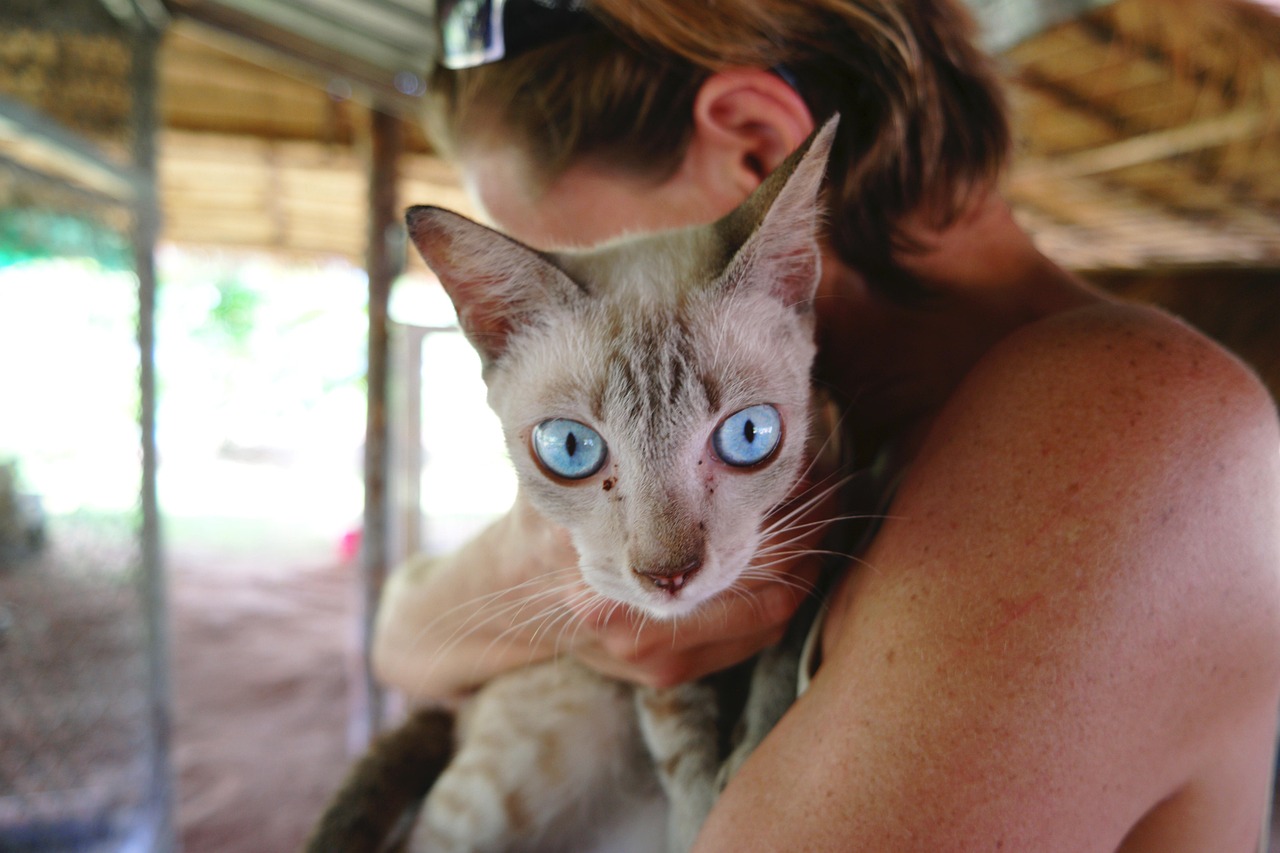

Training Staff on Disease Prevention Protocols in Cat Rescue Shelters
Effective disease prevention protocols are vital to the health of cats in rescue shelters. Training staff on these protocols ensures that they are equipped to handle various diseases, promote feline health, and ensure the safety of both cats and staff. First, it is essential to establish regular training sessions that focus on the common diseases affecting cats, such as upper respiratory infections and feline panleukopenia. Highlight the importance of recognizing early symptoms and implementing immediate response measures. Staff should learn about sanitation practices, including proper cleaning of cages and equipment using approved disinfectants, to minimize disease spread. Furthermore, knowledge of vaccination schedules is crucial. Ensure that team members are up-to-date with both their own knowledge and treatment protocols. This should include understanding the vaccination needs of incoming cats and how to document their medical status effectively. Performance checks and refresher courses can enhance retention of this critical information. Overall, continuous education fosters a knowledgeable environment conducive to preventing disease outbreaks and promotes a healthier cat population in rescue shelters. Adequate funding should also prioritize continued staff education as an essential aspect of effective shelter management.
The Role of Communication in Disease Prevention
Effective communication among staff plays a crucial role in disease prevention within cat rescue shelters. Establishing a solid communication framework allows for the seamless exchange of information regarding any potential health issues observed among the cats. Encourage open dialogue during staff meetings where team members can report any signs of illness they have noticed, share best practices, and discuss ongoing training sessions. Additionally, creating a shared document where health concerns, treatment history, and vaccination status are recorded enables quick access to vital information. This fosters a collaborative effort in managing cat health and identifying disease patterns early. Managers should lead by example, showing openness about health challenges in the shelter. Offering training on communication strategies can further improve this exchange, allowing team members to feel confident and comfortable discussing any issues that arise. Utilize visual aids, such as charts and infographics, to educate staff on disease symptoms and prevention measures. Regular updates on disease outbreaks or preventive measures should also be a priority in communication efforts, ensuring that every team member is aligned with the protocols. Ultimately, fostering an environment where communication thrives can significantly reduce the risk of disease spread, creating a healthier shelter atmosphere.
To effectively implement disease prevention protocols in rescue shelters, incorporating science and research is essential. Staff should be educated about the latest research findings regarding feline health and infectious diseases. By emphasizing evidence-based practices, decision-making becomes more reliable and impactful. Activities can include presenting research articles during training sessions or inviting guest speakers specializing in feline medicine to share insights. Encourage staff to stay updated on advances in veterinary medicine by subscribing to relevant journals and newsletters. To further enhance knowledge, have discussions on case studies that illustrate the importance of adhering to disease prevention protocols. Providing resources, such as access to veterinary advice and literature on preventing common feline diseases, enriches staff members’ understanding. Direct involvement in veterinary discussions about shelter health also fosters a sense of ownership and responsibility among the team. Regular strategy sessions that assess the current protocols and incorporate the latest research can elevate the shelter’s health standards. Additionally, engaging in community outreach programs educating the public on disease prevention promotes overall cat welfare. Overall, investing in learning opportunities fosters a culture dedicated to feline health and wellbeing while supporting efforts to mitigate potential disease outbreaks in shelters.
The Importance of Standard Operating Procedures
Establishing clear standard operating procedures (SOPs) for disease prevention is key to a successful cat rescue operation. SOPs help create a consistent approach for staff, enabling them to understand their responsibilities and actions to minimize disease spread effectively. Begin by developing comprehensive manuals that detail procedures for intake, health screening, sanitation, and quarantine measures. Training sessions should emphasize the application of these SOPs in daily routines, exploring real-life scenarios and how to respond appropriately. By breaking down each process into manageable steps, staff can better grasp their implementation. Creating visual reminders, such as checklists and infographics in common areas, reinforces the importance of these protocols and helps maintain high standards. Encourage staff to contribute by providing feedback or suggesting improvements to SOPs based on their experiences. Routine evaluations of these procedures allow for necessary updates in response to new threats or changing environments. Additionally, facilitate discussions on the barriers employees face in adhering to SOPs and collaboratively seek solutions. Standardizing disease prevention efforts promotes a unified front in protecting the health of both shelter cats and staff, creating a shelter culture that prioritizes safety and wellbeing.
Monitoring the effectiveness of disease prevention protocols is imperative in shelter management. Assuring that protocols remain functional and relevant requires ongoing assessment and evaluation. Forming a dedicated team responsible for tracking health trends and outbreaks can provide insight into which areas of care may need adjustments. This team could use data collection methods to monitor health status changes in the shelter population, thereby identifying specific diseases requiring additional focus. Regular review meetings should be held to discuss findings and suggest appropriate course corrections. Engage team members in this process to foster a sense of ownership over the protocols and their efficacy. Notably, maintaining a well-documented health record not only aids in monitoring success but helps new staff quickly get accustomed to shelter practices. Consider implementing a centralized digital system that tracks health and preventative measures, which can simplify information retrieval and facilitate base comparisons over time. This technology will broaden the understanding of patterns in disease occurrence, leading to more responsive adjustments of protocols as necessary. Ultimately, ongoing monitoring enhances the structure of disease prevention initiatives, ensuring that cat rescue shelters remain effective in keeping cats healthy and seeking improvement.
Creating a Healthy Environment
Establishing a healthy environment in rescue shelters is crucial for disease prevention, and this involves several integral factors. A clean environment significantly reduces the chances of disease transmission among the shelter cats. Regularly scheduled cleaning routines for all areas, including feeding areas and litter boxes, are vital. Staff should be well-informed about which cleaning products are safe and effective for cat health. Additionally, proper ventilation in the shelter space plays an important role. Adequate airflow helps minimize airborne pathogens that may contribute to illness. Staff training should incorporate information about environmental health, focusing on the importance of maintaining a habitat conducive to feline health. Furthermore, having a well-thought-out layout of the shelter can limit stress in cats, which can influence their susceptibility to disease. Consider spacing housing significantly to keep stress levels low and separate sick cats from healthy ones. Implementing enrichment programs that allow cats to engage in natural behaviors can also strengthen their overall immune system. Lastly, collaborating with veterinarians to regularly evaluate the shelter environment ensures that any potential issues are identified and addressed promptly, creating a proactive approach against disease outbreaks.
Engaging the community in disease prevention efforts not only supports the shelter but also enhances the overall health of local feline populations. Establish outreach programs that educate cat owners on the necessity of vaccination and regular check-ups. Disseminate resources, such as brochures or digital content through social media, to raise awareness of common diseases and prevention measures. Collaborating with local veterinary clinics to offer low-cost vaccination events can create positive relationships while addressing the community’s needs. Additionally, hosting workshops at the shelter invites local cat owners to learn about responsible pet ownership and disease prevention practices. Creating community support networks allows for information sharing and encourages responsible cat ownership. Consider developing partnerships with local animal welfare organizations to expand outreach efforts and coordinate community-wide initiatives focused on disease prevention. Promoting the importance of spaying and neutering further contributes to a healthier community by reducing the risk of overpopulation and the spread of diseases. Engaging the community in these initiatives fosters a collaborative spirit, increasing awareness and taking shared responsibility for feline health. Ultimately, when the community is informed and engaged, the efforts of cat rescue shelters are amplified, resulting in a healthier cat population overall.
Understanding the legal protocols surrounding disease prevention in cat shelters is critical for ensuring compliance and overall integrity. Staff members must be familiar with laws concerning animal welfare and health regulations to provide adequate care. Regular training programs should include information about the implications of neglecting disease protocols, potentially leading to legal consequences. Encourage staff to understand the shelter’s responsibilities regarding the notification of diseases affecting cats in their care. Knowledge about state and federal laws surrounding vaccinations, quarantines, and reporting is essential. Maintaining proper documentation of veterinary care and health status for each incoming cat is also important for legal compliance. Implementing a system that ensures documentation is regularly updated and accessible to staff can mitigate legal risks. Compliance training ensures staff members adhere to protocols that protect the welfare of the cats and fulfill the shelter’s obligations. Collaborating with legal experts to offer staff resources and webinars on compliance can create a more informed environment. Ultimately, fostering a culture of compliance enhances not only safety but also the reputation of the shelter. A well-informed staff produces a more effective and legally sound disease prevention framework, benefitting shelter cats and the community alike.