
Training Tales: How Exhibitors Prepare Their Dogs for the Show
The journey to a successful dog show begins long before the day of the event. For exhibitors, the preparation phase involves not just basic training but also specialized techniques tailored to the dog breed. Understanding the specific needs of each breed is essential. This often includes focusing on grooming, socializing, and behavioral training to ensure that the dog is well-adjusted. Exhibitors use various training methods ranging from positive reinforcement to leash training. One integral aspect is creating a routine that blends physical exercises with mental stimulation. Early exposure to different environments and people helps build confidence in the dogs. This preparation is not only about physical readiness but also about nurturing their temperament. Collaborating with professional trainers can provide added insights into effective training strategies. Some exhibitors even participate in local shows as practice runs before heading to the bigger competitions. Documenting progress through videos can help both the exhibitor and the dog assess improvements. Consequently, consistent, structured training leads to an enjoyable show experience that reduces anxiety for both the dog and the handler. These methods also strengthen the bond between the exhibitor and their furry companion.
Grooming: The Art of Presentation
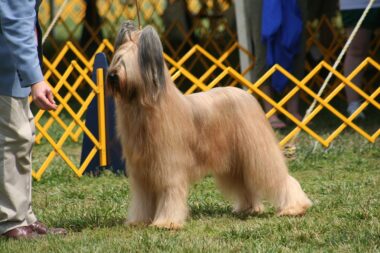
Grooming is a vital part of preparing a dog for the show, and it requires significant attention. Different breeds require distinctive grooming techniques, including regular brushing and specific cut styles. Keeping the dog’s coat healthy and shiny is crucial for catching the judges’ attention. Exhibitors often hire professional groomers for difficult breeds or if they lack the expertise. In addition, they learn and practice grooming techniques themselves, focusing on tasks such as nail clipping and ear cleaning. Bathing the dog regularly helps maintain cleanliness, which is essential for competitions. The choice of shampoo and conditioner is also tailored to suit the dog’s coat type, promoting health and vitality. Furthermore, grooming is not solely about aesthetics; it helps in forming a positive association with handling. Exhibitors must remain calm and patient, teaching their dogs to stand still and accept the grooming process. At times, it becomes a bonding experience that fosters trust. Many exhibitors find that practicing grooming routines regularly helps ease any nervousness during actual judging. Therefore, proper grooming is not just an art form but a crucial component to ensure the dog looks their best on show day.
Socialization is one of the most critical elements in preparing dogs for shows and overall behavior. Exhibitors must expose their dogs to various social situations well ahead of competition day. This includes engaging with different people, environments, and even other animals. Socializing helps dogs feel comfortable in the bustling atmosphere of a dog show, where excitement can be overwhelming. Many exhibitors incorporate socialization into their daily routines, taking their dogs to parks or local pet events. It allows dogs to meet new friends and adjust to different stimuli, like the sounds of a crowd or the sight of other breeds. Well-socialized dogs are typically more well-behaved, making the judging process smoother. Another effective method is arranging playdates or training sessions with other exhibitors. This also provides an atmosphere for a stress-free environment for learning. Additionally, pet training classes can facilitate socialization and core skills. This combination fosters confidence, making them more resilient to potential distractions. Building positive experiences during socialization not only prepares the dogs for the show but also contributes to their overall well-being. Consequently, a well-socialized dog is a successful dog.
Health Check: Ensuring Physical Fitness
Health checks play a fundamental role in the preparation process for dog shows among exhibitors. A comprehensive health examination cannot be overlooked, as it ensures that the dog is fit to participate and free from illnesses. Regular vet visits are essential for up-to-date vaccinations and overall health assessments. Exhibitors should monitor their dogs’ weight, diet, and physical condition continuously. A balanced diet tailored to a dog’s specific needs promotes optimal health and energy levels. Many exhibitors consult with veterinarians or pet nutritionists to create meal plans that support necessary fitness. In addition, they maintain a regular exercise routine, balancing walking, playing, and training sessions. Dogs that are well-exercised tend to perform better in rings as they showcase energy effectively. Furthermore, looking out for any signs of discomfort or illness is crucial. Identifying issues early helps avoid complications that could sideline the dog from participating in shows. Preparing for unexpected health-related scenarios, like having medication or first-aid supplies readily available, is advisable. Overall, maintaining a dog’s health is an ongoing responsibility that contributes significantly to their success at the show.
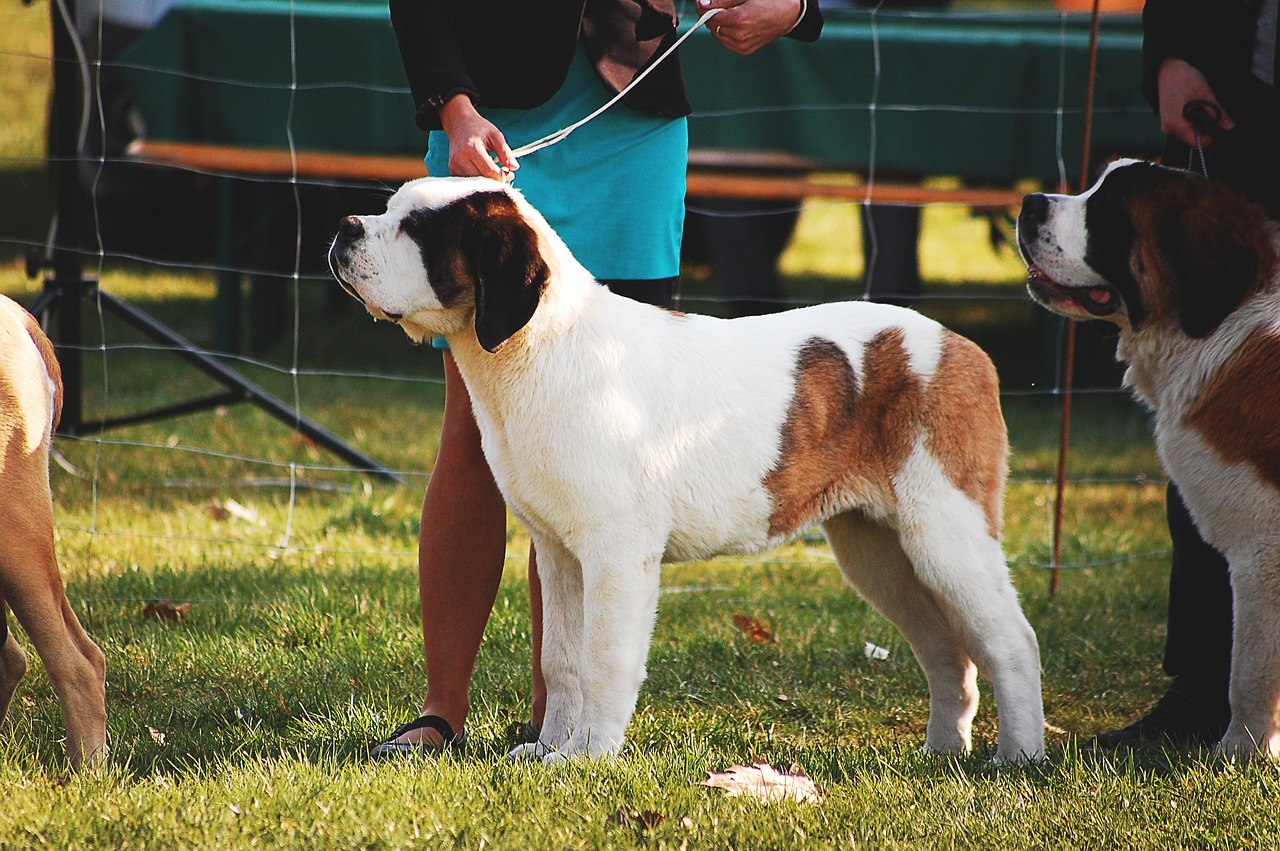
Ring training is an essential aspect of an exhibitor’s preparation for dog shows, focusing on handling skills and presentation. Exhibitors often practice showing techniques by mimicking the actual setting of a dog show. They use a controlled environment to teach dogs how to stand, walk, and respond to commands. Mastering the ‘stacking’ technique, which involves positioning the dog in an optimal stance, is crucial for the show ring. This practice highlights the dog’s conformation and traits while ensuring they present themselves beautifully. Close attention is paid to the dog’s movement, encouraging a confident gait that showcases the breed’s characteristics. Exhibitors may work on transitions, asking the dog to maintain a comfortable pace while moving. Additionally, utilizing mirrors can allow exhibitors to see how they and their dogs appear to judges, enhancing their performance. Others find it helpful to join ring training classes or collaborate with seasoned exhibitors for feedback. This collaborative spirit builds camaraderie and knowledge sharing within the dog show community. Thus, ring training ultimately prepares both the dogs and their handlers to shine when the spotlight is on during the show.
Mental Preparation: Building Confidence
Mental preparation plays a key role in ensuring dogs perform their best in a show environment. Just like physical training, a dog’s mental readiness should not be overlooked. Exhibitors can work on exercises that promote focus and calmness in their dogs beforehand. Activities such as controlled exposure to various sights and sounds can help desensitize them to chaotic environments. This familiarization process reduces stress and anxiety levels. Some exhibitors practice using calming techniques, such as deep breathing, with their dogs before entering the ring. Positive reinforcement is another valuable approach. By rewarding dogs for calm behavior, they learn to associate the show setting with positive experiences. Socializing dogs within groups enhances their comfort levels with a diverse array of distractions. Furthermore, incorporating playtime keeps the atmosphere relaxed and enjoyable, making the experience pleasant. Building confidence through praise and gentle guidance encourages a strong bond and instills trust in the exhibitor’s leadership. Consequently, successfully enhancing a dog’s mental state not only prepares them for show day but also contributes to their overall personality thriving in new situations.
Lastly, reflection and learning from experiences bolster an exhibitor’s journey in preparing their dog for shows. After each competition, evaluation becomes crucial for both improvement and growth. Review of the performance—observing strengths and areas needing enhancement—allows effective future training modifications. Exhibitors commonly keep records of their dogs’ performances, noting how they respond to various situations. This thoughtful analysis can pinpoint specific training adjustments and tailor strategies for enhancement. Moreover, sharing experiences with fellow exhibitors helps acquire diverse perspectives on effective techniques. Networking also fosters the sense of community within the dog show world, fostering support and camaraderie among exhibitors. Learning from setbacks and challenges helps build resilience for both the dog and handler. Understanding that each competition is a chance for growth rather than just a means to win enriches the experience. By embracing this attitude, exhibitors cultivate a mindset focused on progression and enjoyment of the process. Therefore, reflection becomes not just an action but a crucial element to refining skills and promoting lasting memories of joy, connection, and teamwork in the world of dog shows.