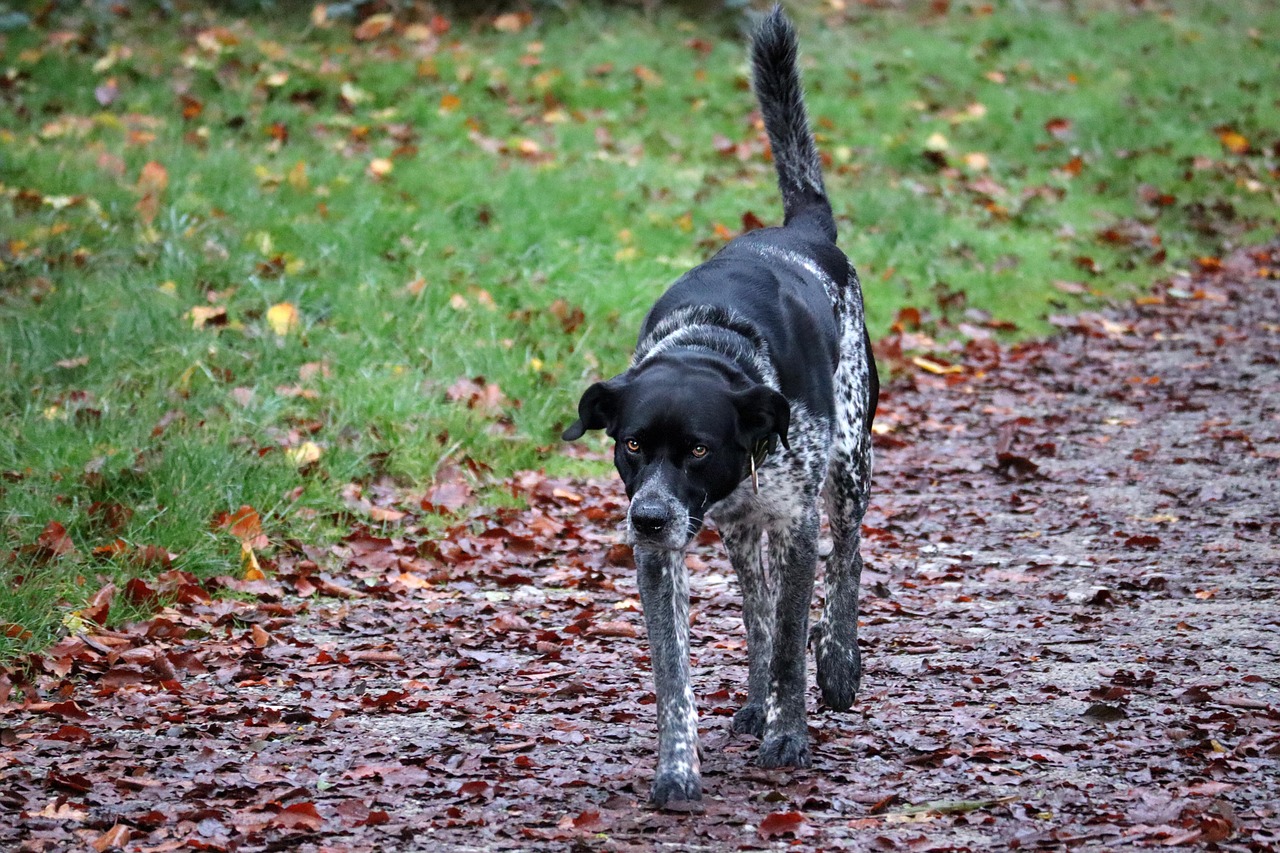

Advanced Tracking Techniques for Hunting Dogs
Training hunting dogs is a critical aspect of ensuring you have a successful hunting experience. Employing advanced tracking techniques enhances a dog’s ability to locate and retrieve game. First, it is essential to understand your dog’s natural instincts and abilities. Start with basic obedience commands to establish a solid foundation. Once these commands are mastered, introduce tracking exercises to stimulate their hunting instincts. Using scent articles helps dogs associate specific smells with rewards. For example, you might use an old piece of clothing that carries the scent of a previous hunt. Reinforce the tracking behavior by rewarding your dog with treats or praise when it successfully identifies and follows the scent. Additionally, spend time in varied terrain to expose your dog to different smells and environmental challenges. This exposure will help broaden their tracking skills and adaptability in the field. Next, gradually increase the distances and complexities of your tracking exercises. Always remember to maintain a positive and patient approach during training sessions to foster a love for tracking. This will ensure your hunting dog not only improves but also enjoys the tracking process itself.
Incorporating scent discrimination exercises is an effective way to enhance your dog’s tracking abilities. These exercises challenge them to differentiate between various scents, ultimately fine-tuning their tracking skills. Begin by laying out a simple track using three scent articles. Utilize one strong scent, such as a small piece of meat or a highly scented toy, and two neutral items. Present each item to your dog, allowing them to sniff and become familiar with the strong scent. This step is crucial in establishing a point of reference. Next, create a tracked path that includes the scent you’re training for and lead the dog along this track. Encourage your dog to pick up the strong scent and follow the trail to the end. Praise and reward your furry friend when they successfully complete the track. Over time, you can increase the complexity of these exercises by changing the surfaces or weather conditions. Varying the scents will also keep your dog engaged and challenged, preventing boredom. As they progress, consider introducing distractions to simulate real hunting scenarios. This practice will enhance their focus and reliability in actual hunting situations.
Utilizing Technology in Tracking Training
Integrating technology into hunting dog training can yield significant benefits in terms of efficiency and results. Utilizing GPS collars allows trainers to monitor their dogs’ movements and ensure they remain in the desired hunting area. This technology provides invaluable data regarding distance, speed, and overall behavior. By analyzing the data collected, trainers can identify strengths and areas of improvement in their dog’s performance. Furthermore, using smartphone apps designed for tracking and training provides a convenient way to log training progress. These applications often include interactive features such as videos and tutorials to enhance learning. Harnessing such technology can greatly enrich the training experience for both the dog and trainer. Additionally, video recording your training sessions offers a unique opportunity to review techniques and adjust strategies. Afterward, watch the footage to identify mistakes or areas where improvements can be made. Encourage consistency in using tracking gear, as dogs tend to perform better when they are familiar with their equipment. Implementing a combination of traditional methods and innovative technology can elevate your dog’s training to new heights, leading to a successful hunting experience.
Socialization is an often-overlooked aspect of training hunting dogs. Exposing them to various environments and stimuli is essential for developing well-rounded hunting companions. Take your dog on walks in different settings, including parks, city streets, and rural areas. This exposure will help your dog become accustomed to new sounds, sights, and smells. Moreover, interacting with other dogs can enhance their social skills and confidence. Organizing playdates with other hunting breeds can provide the perfect opportunity for socialization while also maintaining their hunting instincts. Furthermore, introducing your dog to new experiences, such as different types of terrain and weather conditions, will help them adapt to the variable environments they may encounter while hunting. Integration of socialization into tracking sessions will also prove beneficial in maintaining focus. When dogs are comfortable and familiar with various surroundings, they are better able to concentrate on the task at hand. Lastly, always ensure that any socialization activities are positive and rewarding experiences. This method reinforces confidence and sets the foundation for a successful partnership between you and your hunting dog on your future expeditions.
Developing Endurance for Long Days in the Field
Hunting dogs must possess the stamina to endure long days in the field while maintaining focus and energy for tracking. Developing endurance is vital as it ensures your dog can work effectively, even during extended outings. Start with gradual, consistent exercise routines to build your dog’s stamina. Long walks and runs are a perfect way to improve cardiovascular fitness. These activities should be included several times per week to promote fitness while conditioning their bodies. Additionally, incorporate interval training by alternating between bursts of high-intensity activities and periods of rest. This training is particularly effective in enhancing both endurance and speed during tracking. For example, you can set up short sprinting circuits followed by brief resting periods. As your dog becomes fitter, you can gradually increase the intensity and distance of your workouts. Never overlook the importance of rest days; they allow muscle recovery and prevent injuries. Always monitor your dog’s energy levels during training sessions and adjust accordingly to ensure they are not overworked. Constructing a solid endurance base will prove crucial during actual hunting trips, allowing your dog to perform optimally.
While training techniques play a critical role, it is crucial to consider nutrition as well. Proper nutrition directly impacts your dog’s performance in the field. Selecting high-quality dog food designed specifically for active and working breeds is essential in supporting their energy levels. It’s advisable to consult with a veterinarian to determine the most appropriate diet, taking into account their age, size, and activity level. Feeding schedules should be consistent and aligned with training sessions. For example, providing a nutritious meal before an exercise session will provide the necessary fuel. In addition to regular dog food, consider adding supplements that promote joint health and overall vitality. Omega fatty acids are beneficial for maintaining a healthy coat and skin. Also, ensure that your dog is well-hydrated before and after workouts to prevent dehydration. Dehydration can lead to fatigue and hinder performance during tracking and hunting activities. Lastly, monitor your dog’s weight closely to avoid obesity, which can impede their performance. A balanced diet will lay the foundation for a healthy and energetic hunting dog, enhancing their ability to track and retrieve game effectively.
Consistency is Key in Tracking Training
Finally, consistency is vital in advanced tracking training. Maintaining a routine ensures your dog grasps the skills you are trying to teach effectively. Plan regular training sessions as it fosters a structured learning environment for optimal performance. Additionally, vary the training exercises to keep your dog engaged and stimulated. This also helps your dog learn to adapt to different scenarios they may encounter while hunting. Always employ positive reinforcement techniques, such as treats and praise after successful tracking attempts. This promotes positive associations with the training process, thereby boosting their motivation. Being patient with your dog is essential as learning advanced tracking techniques takes time. Don’t rush the progression of training; instead, let your dog lead the way as they grow more confident and skilled. Additionally, engage in open communication with fellow hunters and trainers to share tips and experiences. Learning from others will greatly enhance your training techniques. A steady commitment to honing your dog’s tracking abilities will pay off greatly in the field, providing a rewarding and fulfilling hunting experience for both you and your canine companion.