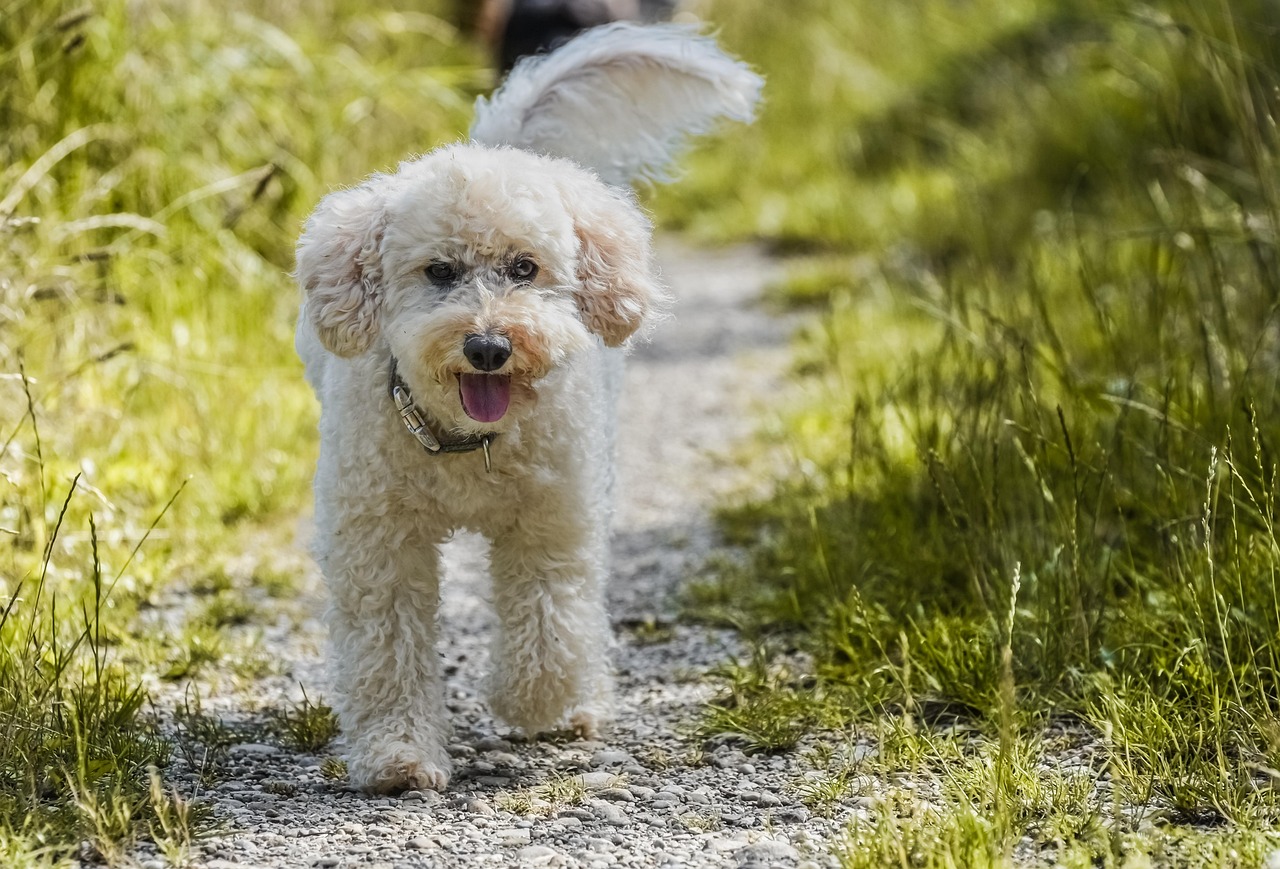

Common Training Challenges with Poodles and How to Overcome Them
Poodles are known for their intelligence and versatility, making them popular pets. However, training a Poodle can present certain challenges. One challenge common with Poodles is their independent nature. Even though they are eager to please, their independent streak can lead them to be somewhat stubborn during training sessions. This behavior requires owners to adopt a consistent and firm training approach. Another challenge is their high energy levels, which can make them easily distracted. To train a Poodle effectively, it is essential to engage their minds and keep sessions stimulating. Incorporating interactive toys or agility training can be beneficial. Additionally, Poodles may be prone to boredom, which can result in undesirable behaviors such as chewing furniture or excessive barking. Providing plenty of mental stimulation and exercise is crucial. Lastly, since Poodles are sensitive dogs, harsh training methods can lead to anxiety and fear. Positive reinforcement techniques work best, rewarding good behavior with treats or praise. Overall, although Poodles may present challenges in training, with the right techniques, they can become obedient and well-mannered companions.
One often overlooked challenge in training Poodles is their tendency to develop separation anxiety. As a breed that thrives on companionship, Poodles may become distressed when left alone. This emotional sensitivity can affect their ability to focus and learn during training sessions. To mitigate this issue, gradually acclimating your Poodle to alone time can help. Begin with short separations and gradually increase the duration. Provide engaging toys or puzzles that keep them occupied. Socialization is key to helping a Poodle feel more comfortable around other people or pets, reducing anxiety. Inconsistent training methods can also confuse Poodles, making them reluctant to follow commands. To address this, it is crucial that everyone in the household uses the same cues and techniques. Always be patient with your Poodle; training is not just about commands but also building trust. Seeking professional help through obedience classes can offer guidance tailored to your Poodle’s needs. Reinforcing commands positively can help in reducing misunderstandings. In essence, understanding a Poodle’s sensitivities and employing consistent training practices are essential for success.
Addressing Behavioral Issues
Poodles can exhibit behavioral challenges such as excessive barking, which can be frustrating for owners. This tendency to bark often stems from their alertness or need for attention. Training can reduce unnecessary barking by rewarding quiet behavior. Engaging them in regular exercise helps burn off energy, contributing to calmer behavior. Additionally, finding the root cause of barking is essential—whether it’s boredom, anxiety, or excitement. Regular socialization with other dogs can also help decrease excessive alertness. Another behavioral challenge is their propensity to dig, especially in a backyard setting. It is crucial to redirect this instinct by providing a dedicated digging area and rewarding your Poodle when they use it appropriately. Keep in mind that Poodles need mental and physical stimulation; otherwise, they may dig out of boredom. Crate training can also assist in managing behavioral issues, providing them a safe space to relax when unsupervised. Training sessions should always be fun; incorporate playtime with commands. The rewards can include treats or praise, but be mindful of their dietary needs. This assists in maintaining focus while fostering a healthy relationship.
One critical aspect to consider is the importance of mental stimulation for Poodles. Their intelligence means that they can get bored easily, leading to potential behavioral issues. Incorporating puzzle toys into their routine can stimulate their minds and keep them engaged. Additionally, teaching them new tricks regularly can break monotony, enhancing their learning experience. It’s effective to switch things up routinely in training sessions to keep them interested. Group training classes can also provide Poodles with social interactions while reinforcing learning. Choose a class that emphasizes positive reinforcement approaches, as this suits their sensitive nature. Poodles often respond well when training is approached as a game, creating a positive association with learning. Regular exposure to various environments helps them become well-rounded dogs. Teaching commands outdoors might bring more challenges but can advance overall obedience. Links between mental exercise and physical activity are crucial; both should be balanced for optimal behavior. This balance prevents behavioral issues while solidifying the bond between you and your Poodle. Through mindful strategies, training sessions can become fulfilling, enjoyable experiences for both the dog and the owner.
Poodle-Specific Training Techniques
When it comes to Poodles, specific training techniques can yield better results. One effective method is clicker training, where the sound indicates correct behavior and earns a reward. This immediate feedback aids in quicker learning. Using consistent verbal cues allows Poodles to understand actions associated with commands easily. Break down complex commands into smaller steps to facilitate understanding. For example, when teaching “stay,” begin by having them sit, rewarding increments of distance for staying still. Attention spans can be short, so keeping sessions around fifteen minutes is ideal. Daily, consistent training helps reinforce new skills. Moreover, Poodles excel at learning through games, turning commands into playful interactions. For instance, incorporating fetch can teach retrieval commands while promoting physical fitness. Engage their problem-solving skills with hide-and-seek games, where they find hidden treats or toys based on cues. Engaging their mind is the key to a successful training experience. Allowing your Poodle to practice commands in varying environments enhances adaptability. Every Poodle is unique; personalizing the approach based on their preferences can lead to better training outcomes.
Training should also adjust to the Poodle’s age. For instance, puppies will require shorter, more frequent sessions due to their developing attention spans. Socializing with puppies is paramount, ensuring they meet various people and animals. In contrast, older Poodles might need tailored training to accommodate any age-related challenges. Consider physical health when training seniors; this is vital as they may not have the same energy levels. Incorporating gentle exercises allows older Poodles to stay active while being respectful of their limits. Sometimes, dietary changes may be necessary for older Poodles to support their training and energy levels. Always reinforce positive behaviors rather than focusing on negative ones. This focus creates a more pleasant training experience. Additionally, involving the whole family during training helps create consistency, making commands familiar across all situations. Understanding the unique characteristics and needs of your Poodle leads to better outcomes and happier experiences. Emphasizing playfulness in training results in a deeper bond with your Poodle. Overall, recognizing and catering to individual needs makes training sessions effective and enjoyable.
Maintaining Consistency for Success
Lastly, maintaining consistency is the linchpin of training success with Poodles, as they thrive on routine and clear expectations. Ensure that you implement the same commands and cues across all family members. Discrepancies in expectations can confuse your Poodle, leading to frustration for both parties. Setting clear boundaries regarding acceptable behavior gives your Poodle a framework to follow. Utilize a consistent method of rewarding behavior; treats, praise, and playtime should be used consistently across training sessions. Positive reinforcement, paired with predictable commands, strengthens the learning environment. Keeping a training journal to track progress might also be helpful. This way, you can note what techniques are most effective and any adjustments that yield better responses. If your Poodle displays behaviors you wish to modify, address these behaviors immediately and consistently. Consistent reinforcement must occur, as mixed messages can undermine your efforts. As consistency builds trust, your Poodle will feel secure in understanding their role in the family. With the right strategies in place, training becomes a more enjoyable and effective experience, ultimately resulting in a respectful and loving relationship.
In conclusion, training a Poodle requires patience, creativity, and a deep understanding of their unique needs. Challenges such as independence, energy levels, and sensitivity necessitate tailored training approaches. Effectively addressing barking and digging will lead to a more harmonious household. Also, recognizing the importance of mental stimulation and socialization is paramount in training outcomes. Utilizing Poodle-specific techniques such as clicker training enhances engagement and learning. Furthermore, age-related adjustments in training methods ensure everyone, from puppy to senior, has an optimal experience. Applying consistent commands across households fosters clarity and better understanding of expectations, reinforcing a trusting bond. In the long run, providing a nurturing environment leads to well-trained, content Poodles who thrive on companionship and understanding. Building strong relationships with these intelligent dogs requires commitment from owners, but the rewards of companionship and love are worth every effort. Overall, an understanding and playful approach can transform training into a delightful journey, resulting in a happy Poodle and a happy owner. Embracing these techniques will overcome various challenges and nurture a compassionate bond, enriching both lives. Remember, the training journey is ongoing, and celebrating small successes leads to larger achievements along the way.